
Last updated November 4, 2026
 Wrought iron
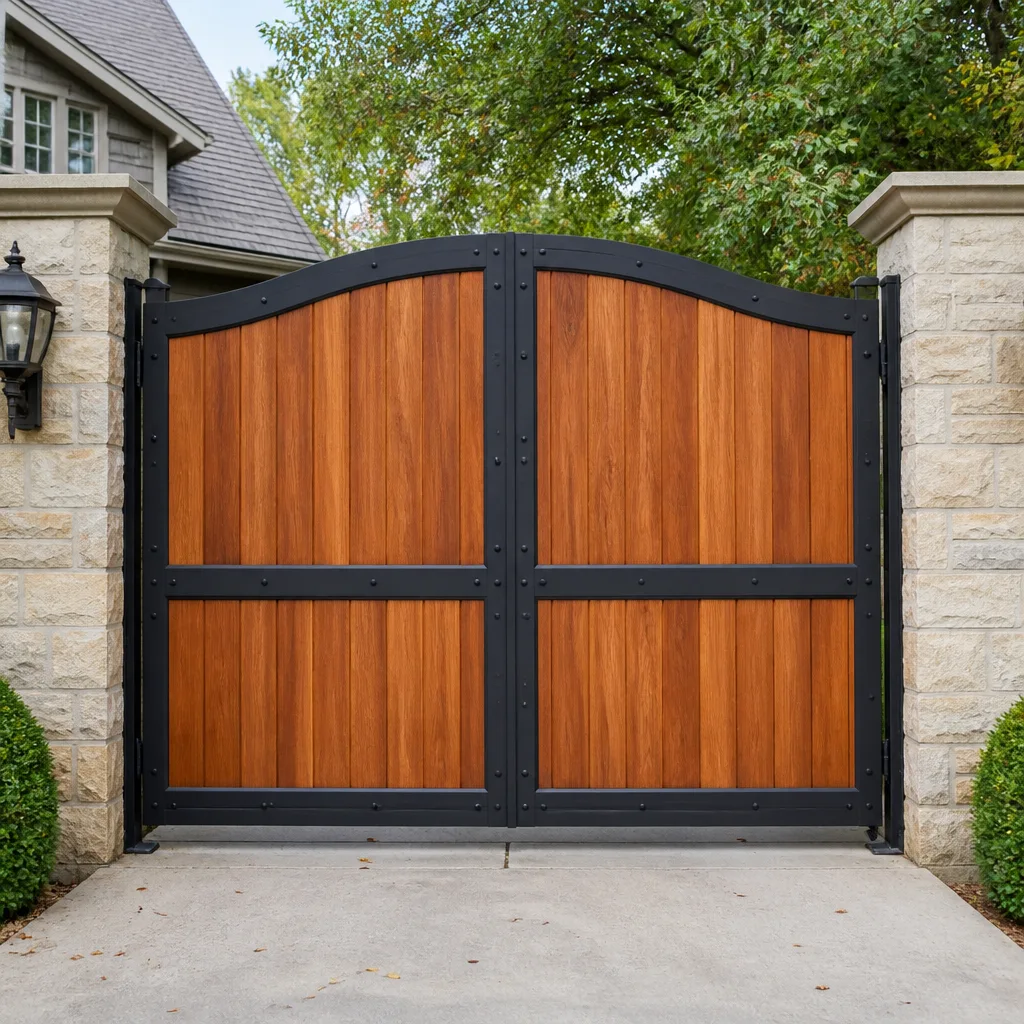 Wood & steel frame
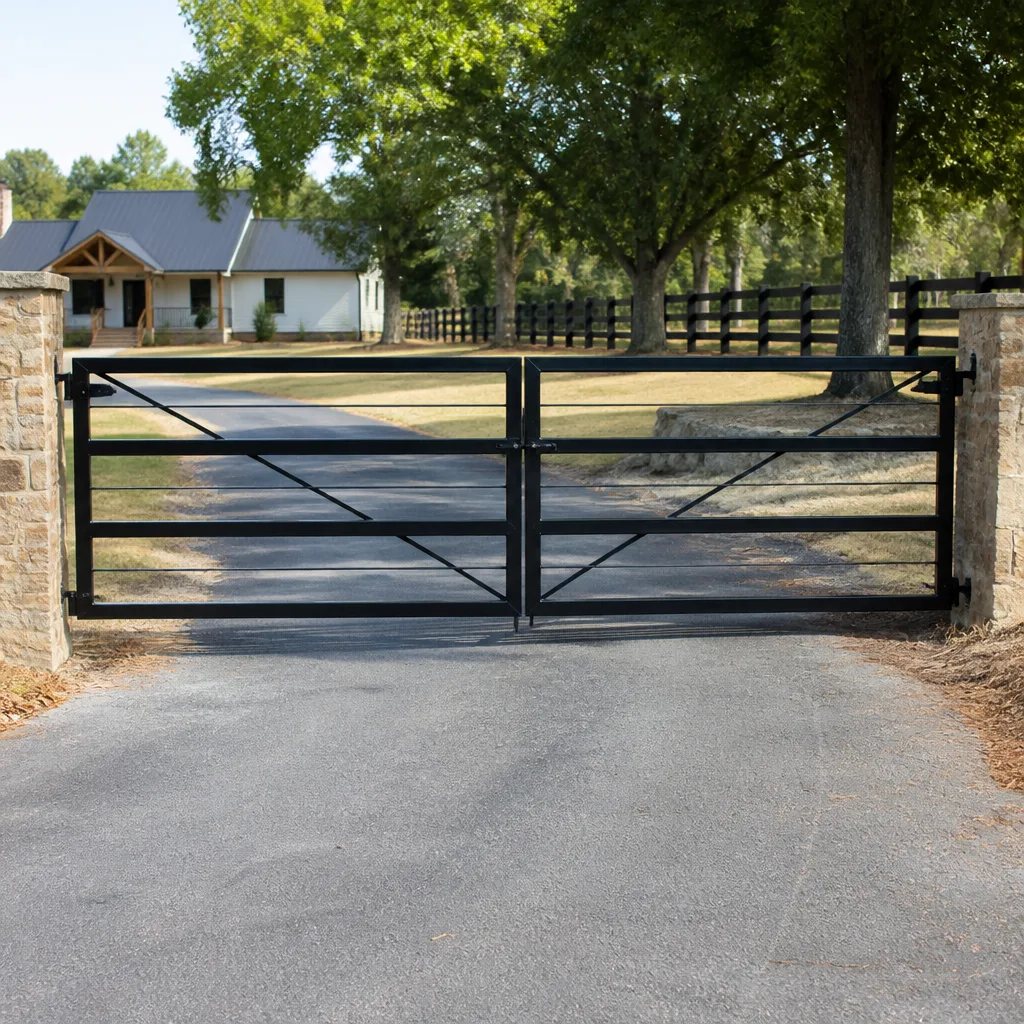 Farm & ranch
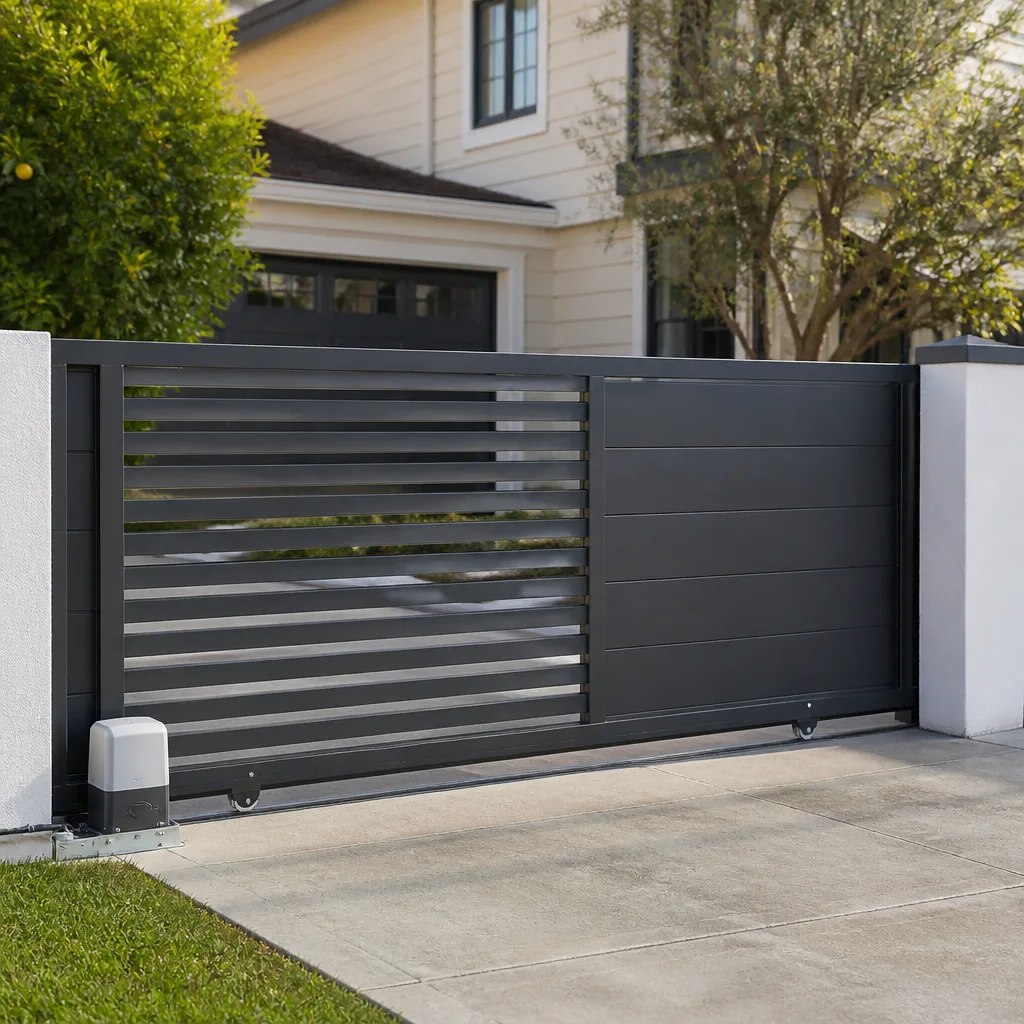 Sliding driveway gates
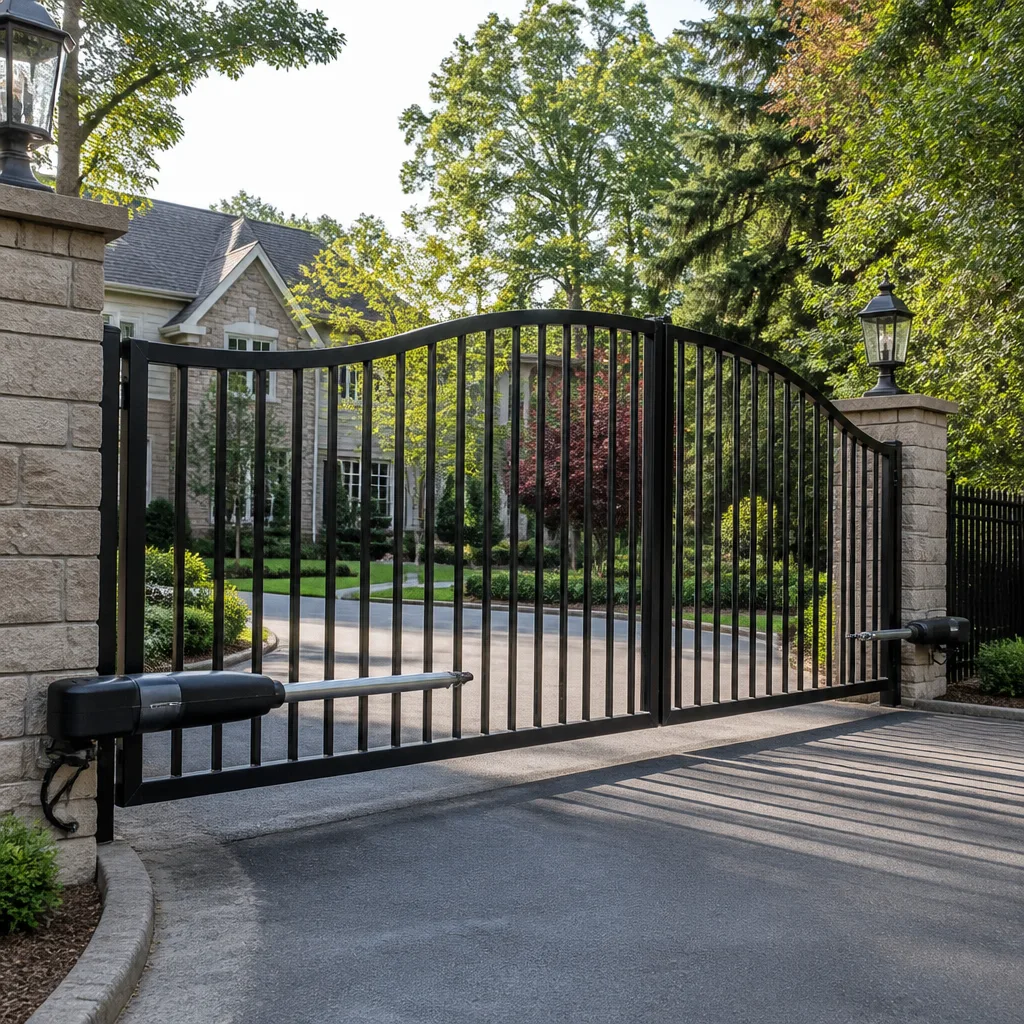 LiftMaster operators
Free on-site gate assessment - hinges, posts, and your LiftMaster or Nice gate operator checked before anything is quoted
The assessment is free and the quote is the invoice.
Get your free estimateGate Repair Emergency Preparedness Guide for Westminster Homes
A gate that fails closed traps vehicles. A gate that fails open eliminates security. And in Westminster, both scenarios tend to happen during the same events: wind-driven power outages, circuit board failures during heat spikes, and loop detector malfunctions after heavy rain. Most homeowners discover they’re unprepared at the worst possible moment, usually after dark, usually with a car stuck on the wrong side. This guide walks through what actually fails, how to respond in the first ten minutes, and what to document now so a repair doesn’t turn into a two-day ordeal.
Quick Answer
Emergency preparedness for a Westminster gate starts with three things: knowing where your manual release is and how to use it, keeping brand-specific documentation in a weatherproof location near the gate, and having a plan for power outages that disables your operator. Most gate emergencies in this area trace back to wind-related power loss, heat-related control board failures, or rain-related loop detector problems. The fix is almost always simpler when you know which failure you’re dealing with before you call for gate repair.
Styles & brands we work with
- Wrought iron
- Wood & steel frame
- Farm & ranch
- Sliding driveway gates
- LiftMaster operators
Table of Contents
- The Three Failure Modes Every Westminster Gate Owner Faces
- How to Manually Release a Slide Gate vs. a Swing Gate Operator
- Battery Backup by Operator Brand: What Westminster Homes Should Know
- The Emergency Documentation Kit Every Property Manager Should Keep On-Site
- Securing an Open Gate When the Operator Fails Overnight
- Power Outage Protocol for Westminster Gate Systems
- Common Mistakes to Avoid
- When to Call a Professional
- Frequently Asked Questions
The Three Failure Modes Every Westminster Gate Owner Faces
Westminster’s climate shapes gate failures in predictable ways. Hot, dry summers stress control boards and capacitors. Santa Ana wind events knock out power and hurl debris that can jar slide gates off their tracks. And the occasional heavy winter rain saturates the ground around loop detectors, causing false triggers or complete signal loss. Understanding these three patterns helps you respond faster when something goes wrong.
1. Power Loss from Wind Events
Santa Ana winds are the single biggest cause of gate emergencies in Westminster. A gate operator that draws power from the grid goes dead the moment the utility line fails. If your operator has no battery backup, you’re left with a gate that won’t move at all. The first question we ask when a Westminster homeowner calls during a wind event is whether the breaker tripped or the whole neighborhood lost power. You can check your panel before calling. If the breaker is fine and the streetlights are out, it’s a utility issue, not a gate issue.
2. Control Board Failures During Heat Spikes
Westminster regularly sees summer temperatures above 90 degrees. Control boards inside gate operators are rated for a range of ambient temperatures, but sustained heat inside a metal housing can push them past their limit. Capacitors dry out. Solder joints crack. The board that worked fine in March fails in August. We see this most often with older LiftMaster and Linear boards that have baked for years inside unventilated enclosures. A board failure typically presents as a gate that does nothing when you press the remote or keypad, even though the operator hums or clicks.
3. Loop Detector Malfunctions After Heavy Rain
Loop detectors are loops of wire buried in the driveway that sense a vehicle’s metal mass and trigger the gate to open or stay open. When Westminster gets heavy rain, water seeps into cracked loop insulation or poorly sealed junction boxes. The detector either stops sensing vehicles entirely or, worse, starts false-triggering and opens for no reason. A false-triggering loop is a security problem. A dead loop is an inconvenience that forces you to use the keypad or remote every time. Both require a technician to diagnose whether the loop itself or the detector board is at fault.
How to Manually Release a Slide Gate vs. a Swing Gate Operator
Every automatic gate operator has a manual release mechanism. It’s there for exactly one reason: to let you move the gate by hand when the operator has no power or has failed. The problem is that slide gate releases and swing gate releases work differently, and the release is often hidden behind a small access panel or keyed lock. Knowing what to look for before an emergency saves you twenty minutes of fumbling in the dark.
Slide Gate Manual Release
Slide gate operators typically have a release lever or keyed handle on the side of the operator housing. Pulling this lever disengages the drive gear or chain from the motor. Once released, the gate slides freely along its track by hand. On some LiftMaster slide operators, the release is a T-handle you pull and rotate a quarter turn. On FAAC models, it’s often a lever behind a small door on the operator cabinet. The key is knowing which one you have before the power goes out. Test the release once during daylight when the gate is working normally, so the motion is familiar when you actually need it.
Swing Gate Manual Release
Swing gate operators have a different release. Most use a keyed release on the operator arm itself or a pull pin where the arm connects to the gate leaf. On BFT swing operators, you’ll typically find a release handle at the base of the operator. Pulling it disconnects the piston or arm from the gate, letting the leaf swing freely. On Linear swing operators, the release is often a U-shaped pin that you pull out. The gate then moves by hand like a standard pedestrian gate.
Safety note: a swing gate that releases suddenly can move fast if it’s on a slope. Stand behind the leaf, not in front of it, when you disengage. A slide gate that comes off its track can tip. If the gate binds or resists after release, stop pushing. That’s a sign the track is damaged or the gate frame is out of square, and forcing it makes the repair worse.
Battery Backup by Operator Brand: What Westminster Homes Should Know
Not every operator supports battery backup, and the ones that do vary in how long they hold up under load. A gate that cycles 20 times a day drains a battery far faster than one that cycles four times. In Westminster, battery backup matters most during Santa Ana season, when outages can last from a few hours to a full day. Here’s what we know from working on these systems across Westminster.
LiftMaster operators sold in the last decade generally support an external battery backup kit that mounts beside the operator. Under full-cycle load, you can expect roughly 8 to 12 open-and-close cycles before the battery depletes. That’s enough to get vehicles in and out for a day of intermittent use, not enough for continuous operation.
FAAC operators have factory battery backup options on many models. The FAAC swing gate operators we service in Westminster typically hold between 10 and 15 cycles on a fresh battery, depending on gate weight and travel distance. Heavier gates mean fewer cycles per charge.
BFT and Linear are more mixed. Some BFT operator boards accept a battery input; older models do not. Linear operators, especially the slide gate units common on Westminster driveway applications, often need an aftermarket UPS solution if the original installer didn’t spec one. Ghost Controls and Mighty Mule systems, which are more common on residential swing gates, usually run on DC and can be paired with a solar trickle charger, but that’s an ongoing setup question rather than a true backup solution.
The realistic answer for Westminster homeowners is this: if your operator predates your current phone, it probably doesn’t have battery backup. If it’s newer and you don’t remember your installer mentioning it, you probably don’t have it. A technician can tell you within ten minutes whether your board supports a retrofit.
The Emergency Documentation Kit Every Property Manager Should Keep On-Site
Property managers in Westminster juggle dozens of gates. When one fails, the last thing you want is to dig through email chains for the installer’s name while a tenant can’t get their car out. Every gate should have a physical envelope or waterproof pouch mounted near the operator, and a digital copy in your maintenance file. Here’s what belongs in it.
- Gate operator brand and model number. This is the single most important piece of information. LiftMaster, FAAC, BFT, Linear, Viking, Ghost Controls, DoorKing, Elite, and Mighty Mule all have different control boards and wiring. Knowing the model narrows the diagnosis before a technician even arrives.
- Control board part number. The board inside the operator is not always the same as the operator model. Write down the part number printed on the board itself. When a board fails, this number determines the replacement.
- Loop detector make and specs. If your gate uses loop detectors, note the brand and the number of loops. Some Westminster properties run two loops, one inside and one outside the gate. The detector board lives in a separate enclosure.
- Installer name and phone. The company that installed the gate may still have records of the original wiring and parts. Even if you never call them again, the information helps a new technician understand what was done.
- Date of last service and what was done. A gate that had a capacitor replaced in 2023 and fails again in 2025 tells a different story than a gate that has never been serviced. Document everything.
- Power source location. Note which breaker feeds the gate, and whether the operator is on a dedicated circuit. This matters during the first five minutes of troubleshooting.
We see Westminster properties where this information lives in the head of one maintenance person who left the company two years ago. Don’t let that be your gate. Ten minutes of documentation now saves hours of diagnostic time later.
Securing an Open Gate When the Operator Fails Overnight
An operator that fails while the gate is open creates a security problem you can’t ignore. In Westminster, an open driveway gate often means an open backyard, an unlocked garage, or direct access to a pool area. The goal is to secure the opening without causing damage or making the eventual repair harder.
For a slide gate that’s stuck open: Most slide gates can be pushed closed manually once you release the operator, assuming the track isn’t damaged. Move the gate slowly. If it binds, stop. Then chain or cable the gate to the fence post with a padlock. A slide gate that can’t be fully closed but can be partially closed should be moved as far as it will go and then secured. The goal is to block vehicle access, not to achieve a perfect seal.
For a swing gate that’s stuck open: Release the operator arm and push both leaves closed. Swing gates usually close manually without much trouble, but they may need a prop or pin to stay closed if the operator arm sags. A heavy-duty zip tie or chain around the two leaves at the latch point works as a temporary measure. Don’t rely on the operator to hold the gate closed, the release disengages the mechanism entirely.
For a gate that can’t be moved at all: If the gate is off its track or the operator has seized, don’t force it. Block the opening with a vehicle if you have one, or string high-visibility tape across the gap. Document the situation with photos. Then call for electric gate repair. A technician can often stabilize the gate enough to secure it temporarily, even if the full repair waits for parts.
Power Outage Protocol for Westminster Gate Systems
When the power goes out in Westminster, gates do one of three things: stop working entirely, revert to a fail-safe mode that leaves them open, or switch to battery backup and keep operating normally. Which one yours does depends on how the system was configured. Most residential gates are set to fail-secure, meaning they stay in whatever position they were in when power dropped. That’s why you’ll sometimes find your gate half-open after a power event.
Here’s a step-by-step protocol for managing a power outage that affects your gate.
- Check the breaker first. Open your electrical panel and look for a tripped breaker feeding the gate. Reset it once. If it trips again immediately, stop. That’s a short or a failed component, not a utility issue.
- Check your neighbors. If the whole block is dark, the problem is on the utility side. Call your power company. Westminster residents can report outages directly through the utility’s phone line or online portal.
- Decide on access. If you need vehicles in and out during the outage, release the operator manually and operate the gate by hand until power returns. If security is more important than convenience, leave the gate closed and use the pedestrian gate for foot traffic.
- Manage temporary access. A gate that’s manually released during an outage doesn’t automatically re-engage when power returns. Someone has to physically re-lock the release mechanism. Assign that task to a specific person so it doesn’t get forgotten.
- Restore normal operation in the right order. Once power is back, re-engage the operator release, then test the gate with the remote. Watch the first few cycles carefully. A gate that starts, stops, or reverses unexpectedly after an outage usually has a board that reset to default settings or a loop detector that needs recalibration.
If your gate won’t operate normally after power returns, don’t keep cycling it. Repetitive failed cycles stress the motor and can turn a minor board reset into a full board failure. Call Gate Repair Westminster and describe exactly what the gate does when you press the remote. We diagnose the operator, the board, and the structure, not just the obvious part.
Common Mistakes to Avoid
- Not knowing where the manual release is before you need it. In a Westminster wind event, you’ll be outside in the dark with a flashlight app on your phone, poking at an operator housing you’ve never opened. Find the release now, while the gate works, and practice it once.
- Assuming the gate is broken when the real problem is a tripped breaker. A surprising number of emergency calls we get in Westminster are solved by resetting a GFCI or breaker. Check your panel before calling. It saves everyone time.
- Forcing a slide gate that’s off its track. Slide gates weigh hundreds of pounds. Pushing one that’s derailed can damage the track, the wheels, and the gate frame. If it doesn’t move smoothly after release, stop and wait for a technician.
- Leaving a manually released gate unsecured overnight. A gate that’s been released for access during an outage is a gate that’s no longer securing the property. Re-engage the release or chain the gate closed before you go to bed.
- Cycling the operator repeatedly after a failure. Every failed cycle heats up the motor and stresses the board. If the gate won’t open on the first or second try, further attempts make the repair more expensive, not more likely to succeed.
- Ignoring a loop detector that false-triggers after rain. A gate that opens on its own after heavy Westminster rain isn’t a quirk. It’s a failing loop or detector that will get worse. What starts as an intermittent annoyance becomes a security hole.
- Not documenting the operator model and board part number. This is the difference between a technician arriving with the right part on the first visit and a second trip for parts. Brands differ, and within brands, boards differ. Write it all down.
When to Call a Professional
Some gate problems are safe to investigate on your own: a tripped breaker, an obvious obstruction in the track, a remote with a dead battery. Others are not. If the operator hums but the gate doesn’t move, the problem could be a capacitor, a gear, or a board, and diagnosing it requires opening the enclosure and testing live voltage. If the gate starts and stops erratically, you’re likely dealing with a failing board or a loop detector sending bad signals. If the gate was hit by a vehicle or debris, the frame may be out of square in a way that’s not visible to the eye. These are all situations where a specialist gets it sorted faster and safer than a DIY attempt. Gate Repair Westminster offers free estimates in Westminster, call (866) 569-6562. We answer 24/7. Fast dispatch from 7am to 7pm, Sunday through Friday.
Frequently Asked Questions
Check your breaker panel first. If the gate’s breaker tripped, reset it once and test the gate. If the breaker is fine and power is restored to the rest of the house, the operator board may have reset to default settings or failed during the outage. Call (866) 569-6562 and describe what the gate does when you press the remote, we can often diagnose the issue over the phone. We answer 24/7. Fast dispatch from 7am to 7pm, Sunday through Friday.
In most cases, yes. Common failures like bad control boards, failed capacitors, and misaligned sensors are repairable in a single visit when we have the parts. We keep stock for LiftMaster, FAAC, BFT, and Linear systems because they’re the most common operators in Westminster. Call (866) 569-6562 for an exact quote, estimates are free.
It depends on the brand and model. LiftMaster and FAAC offer battery backup on many models. BFT and Linear support it on some boards but not others. Older operators generally don’t. A technician can check your board and tell you whether a retrofit is possible and what it would cost. The estimate is free, and the price is set per job by the written estimate before any work starts.
Every automatic gate has a manual release. On a slide gate, look for a lever or T-handle on the operator housing. On a swing gate, the release is usually at the base of the operator arm or where the arm connects to the gate leaf. Pull or unlock the release and the gate moves by hand. If you’re not sure where yours is, check the operator manual or call us, we’ll walk you through it over the phone.
Yes. That indicates water is getting into the loop detector wiring or the detector board is failing. A gate that opens on its own is a security risk. The fix usually involves resealing the loop connection and replacing or recalibrating the detector. Call (866) 569-6562 for an estimate. We answer 24/7. Fast dispatch from 7am to 7pm, Sunday through Friday.
A full installation includes the gate structure, the operator, the power run, safety edges or photo eyes, loop detectors if needed, and the remote access system. Gate Repair Westminster covers both the mechanical structure and the electric operator under one roof, so you don’t coordinate separate contractors. Call (866) 569-6562 for a free measure and a written price before any work starts.
The Bottom Line
Emergency preparedness for a Westminster gate isn’t about having a technician on speed dial. It’s about knowing what kind of gate you have, where the manual release is, whether the operator has battery backup, and what documentation lives near the gate. The failures that strand vehicles and leave properties open are predictable: wind knocks out power, heat kills boards, rain scrambles loop detectors. When you know which one you’re dealing with, the response is straightforward. And when you don’t, Westminster homeowners have a specialist who does. One specialist for the gate, the motor, and the wiring. Call (866) 569-6562. We answer 24/7. Fast dispatch from 7am to 7pm, Sunday through Friday.
Written by the team at Gate Repair Westminster, serving Westminster since 2011.
See the difference
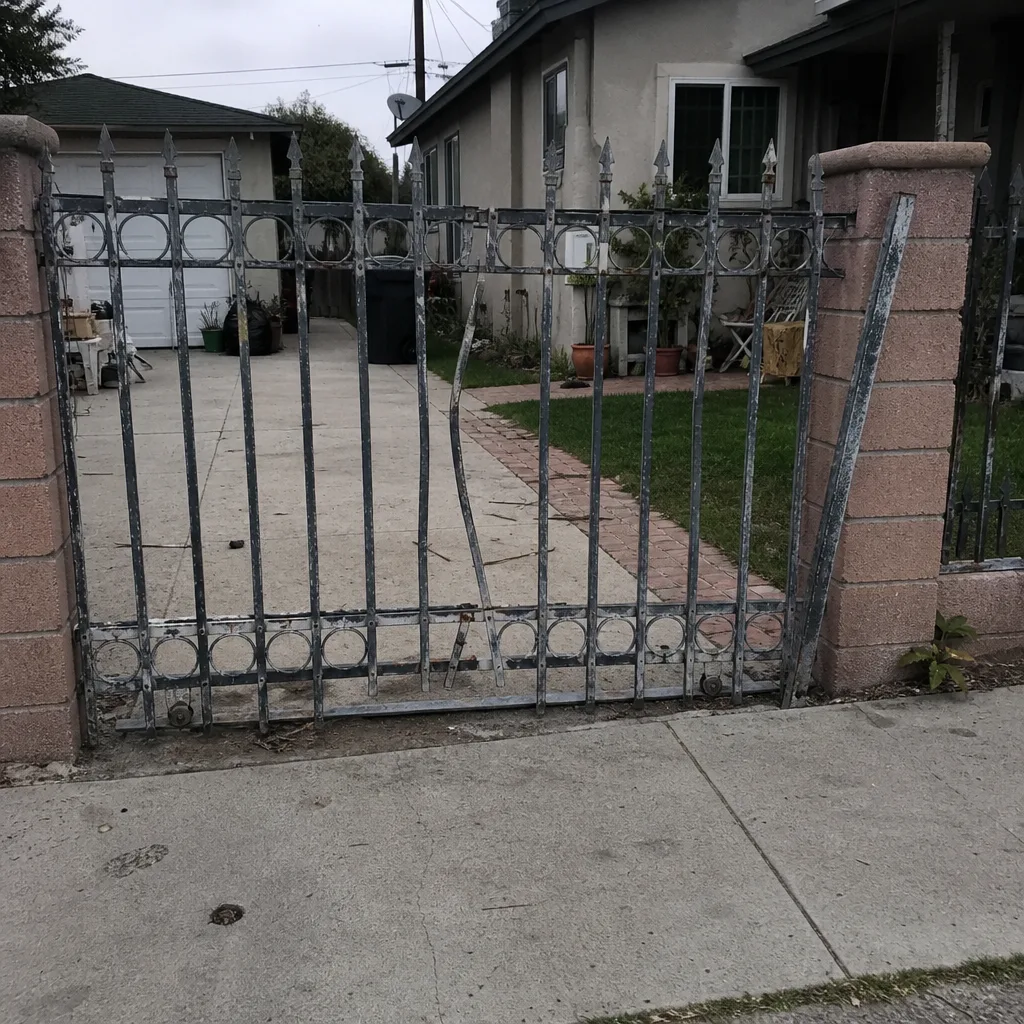 Before
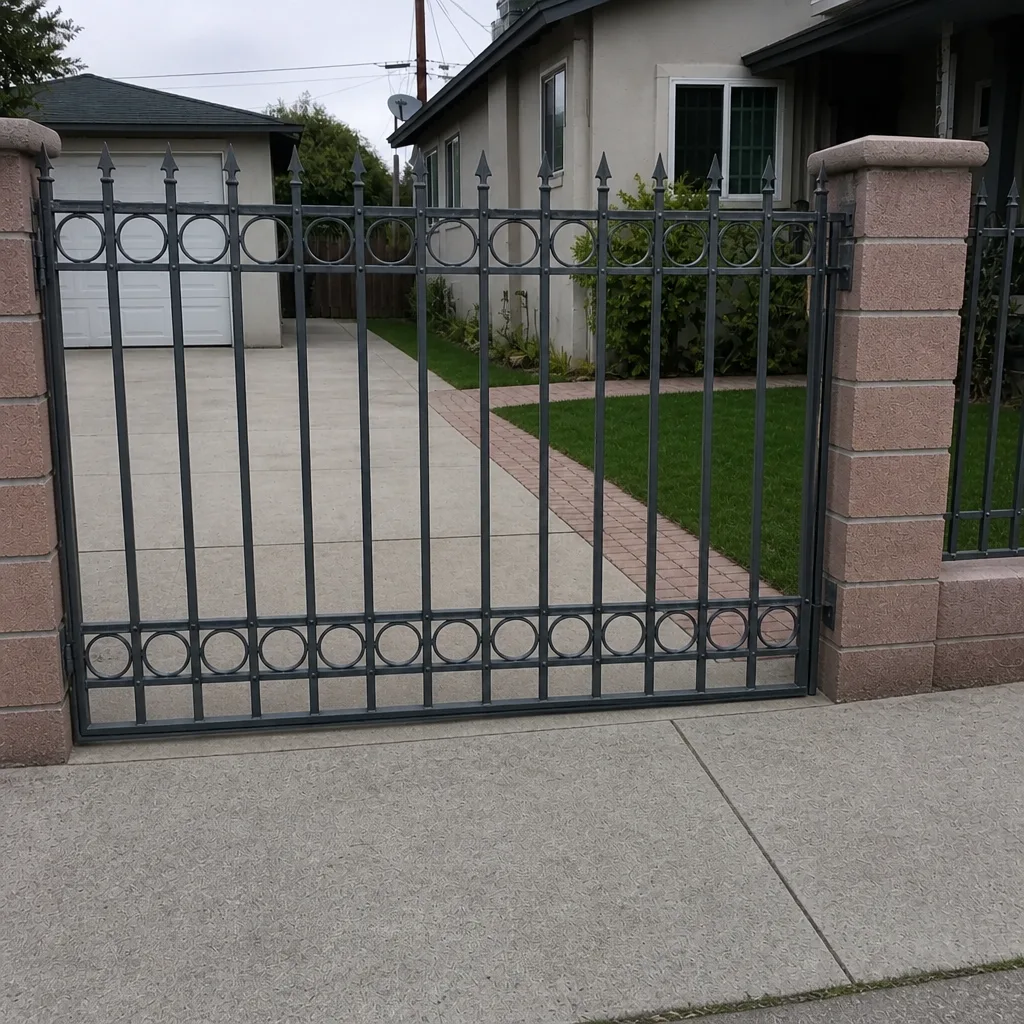 After
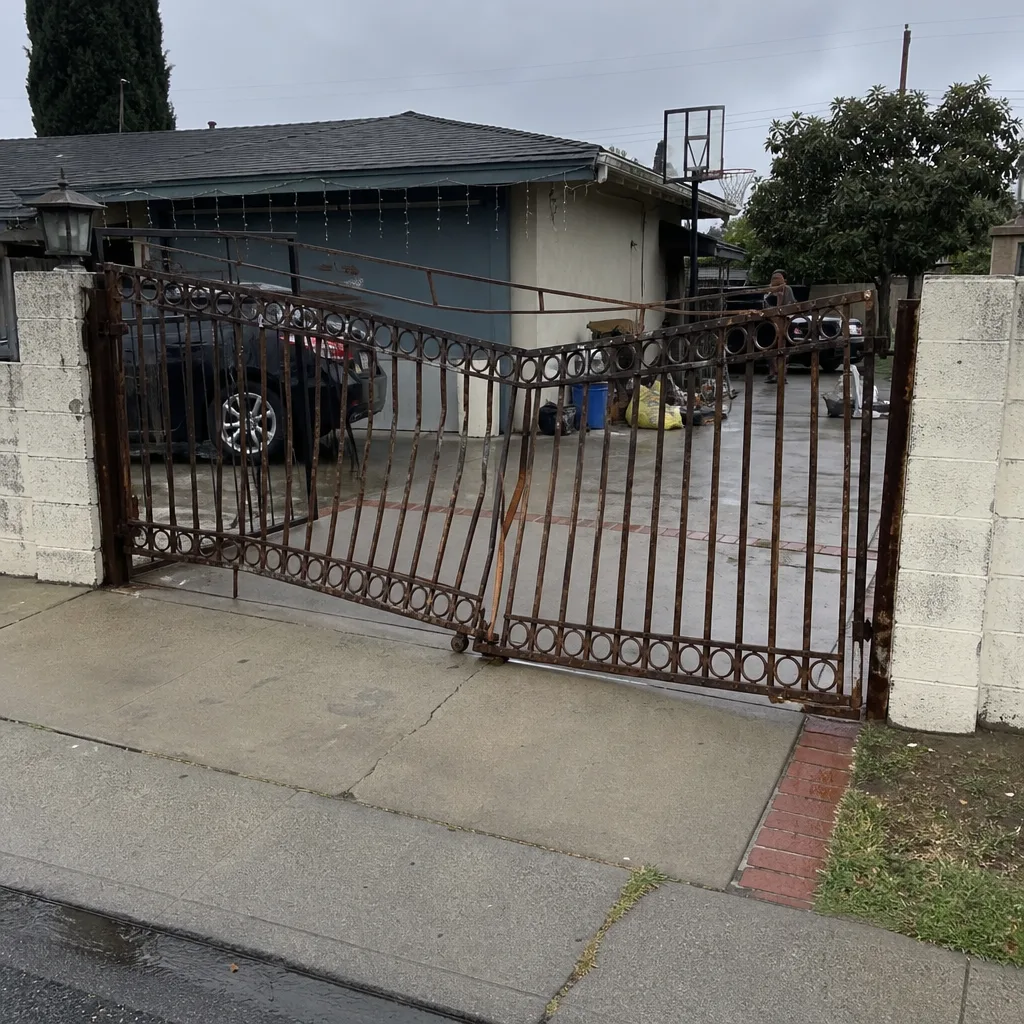 Before
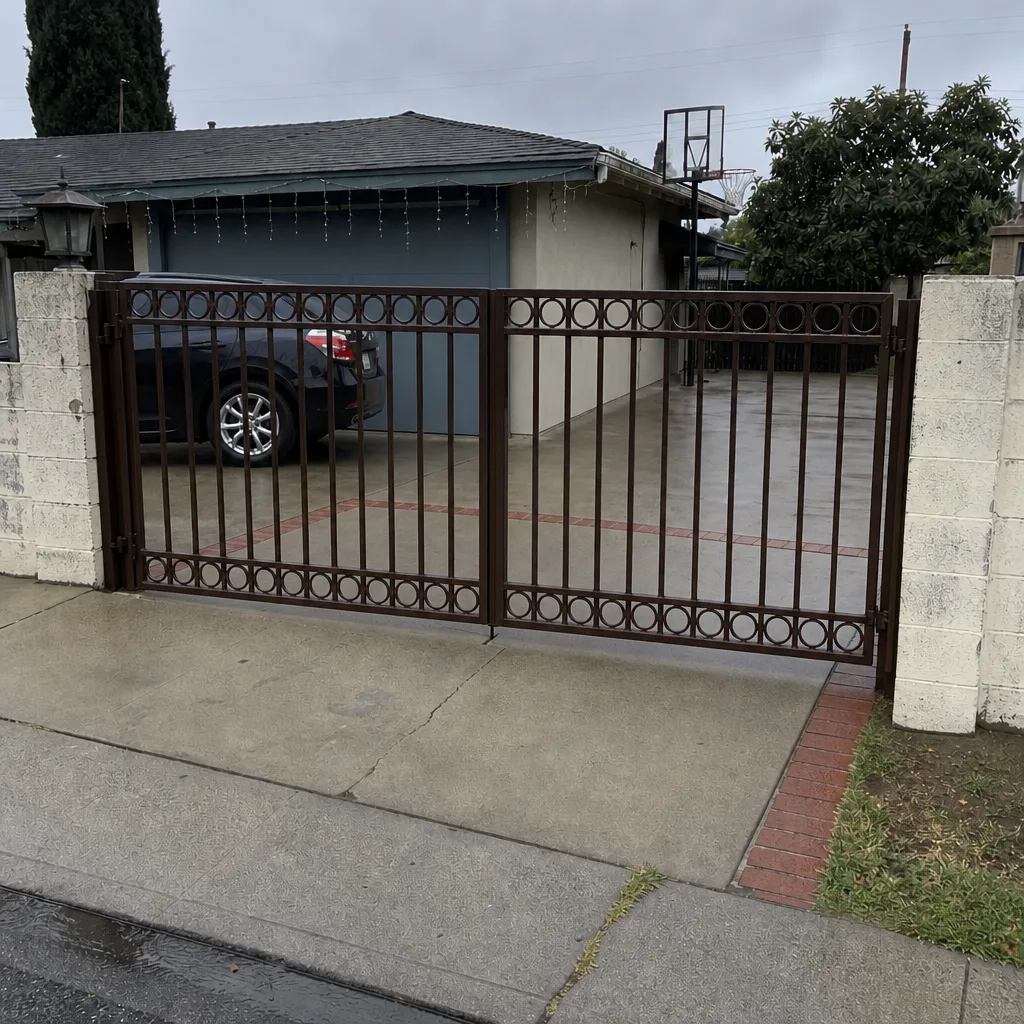 After
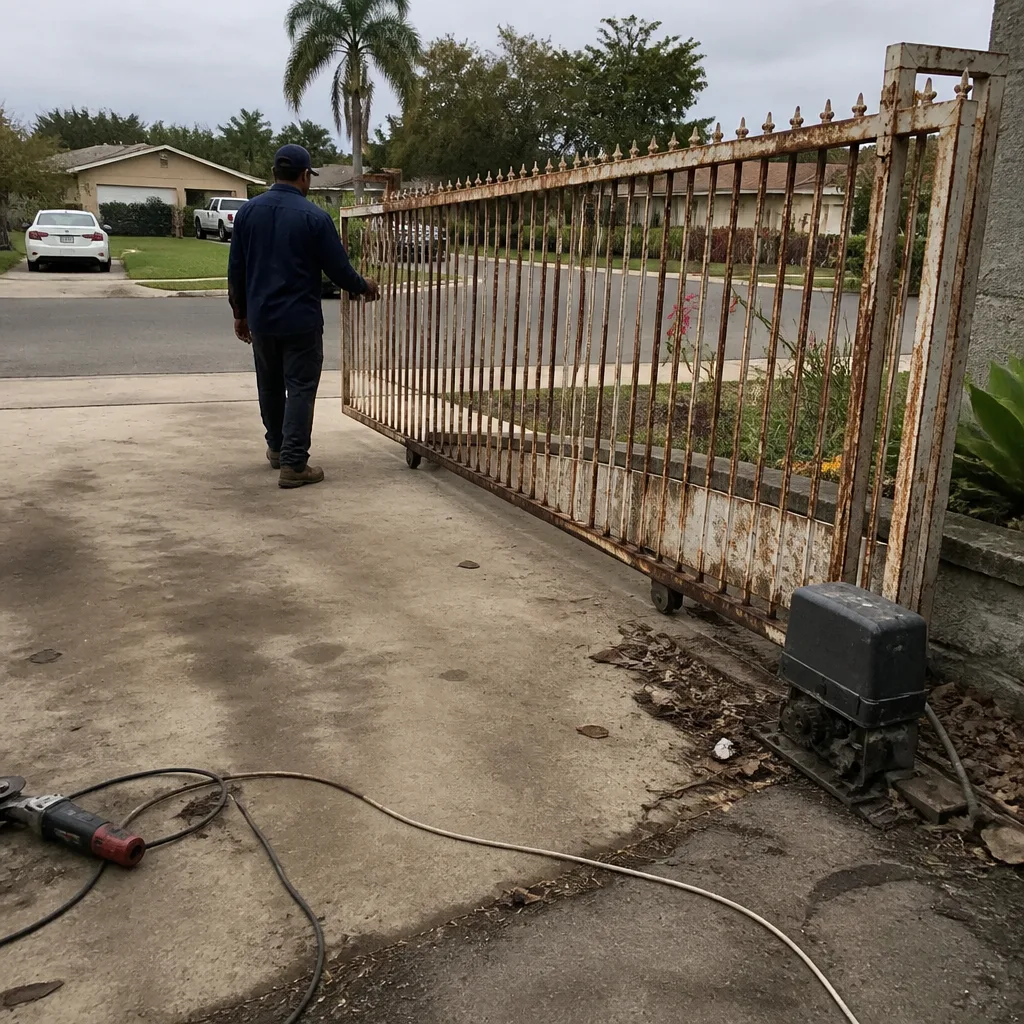 Before
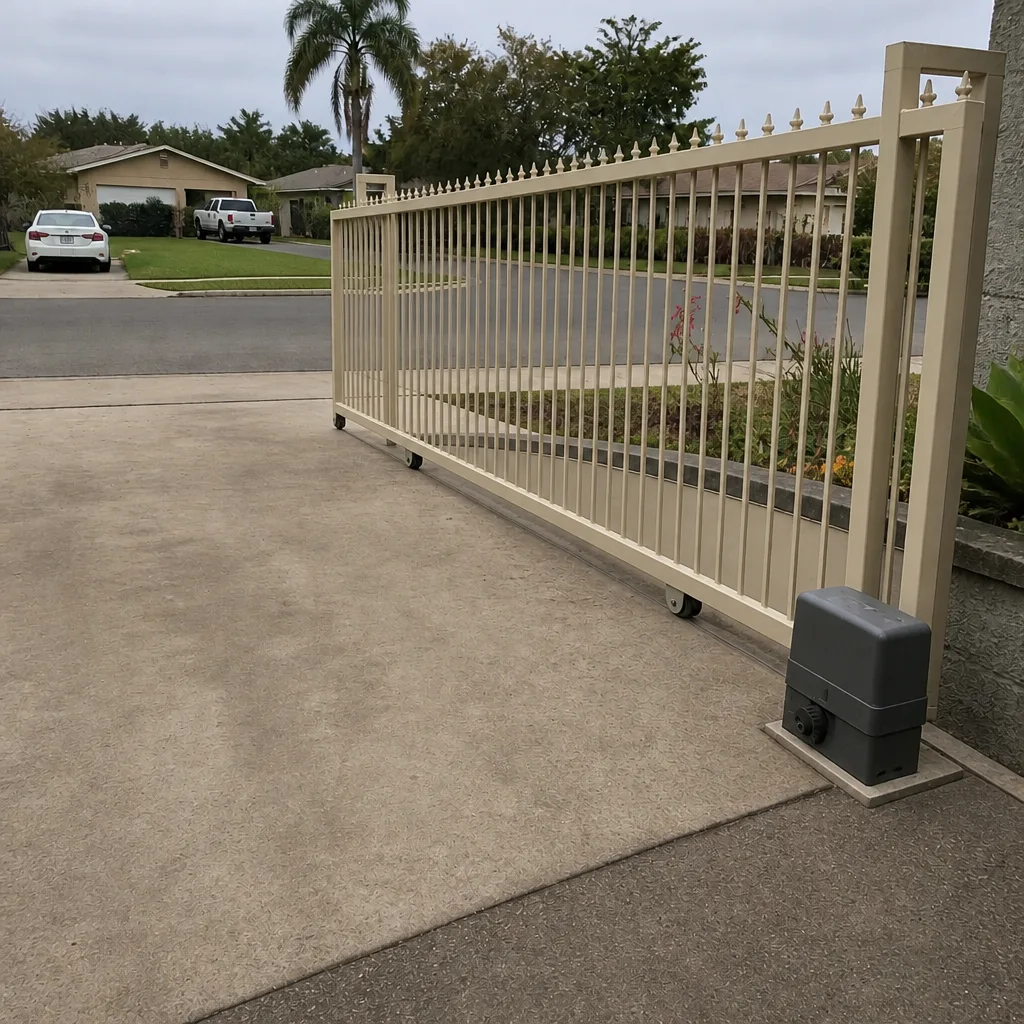 After