
Last updated November 4, 2026
 Wrought iron
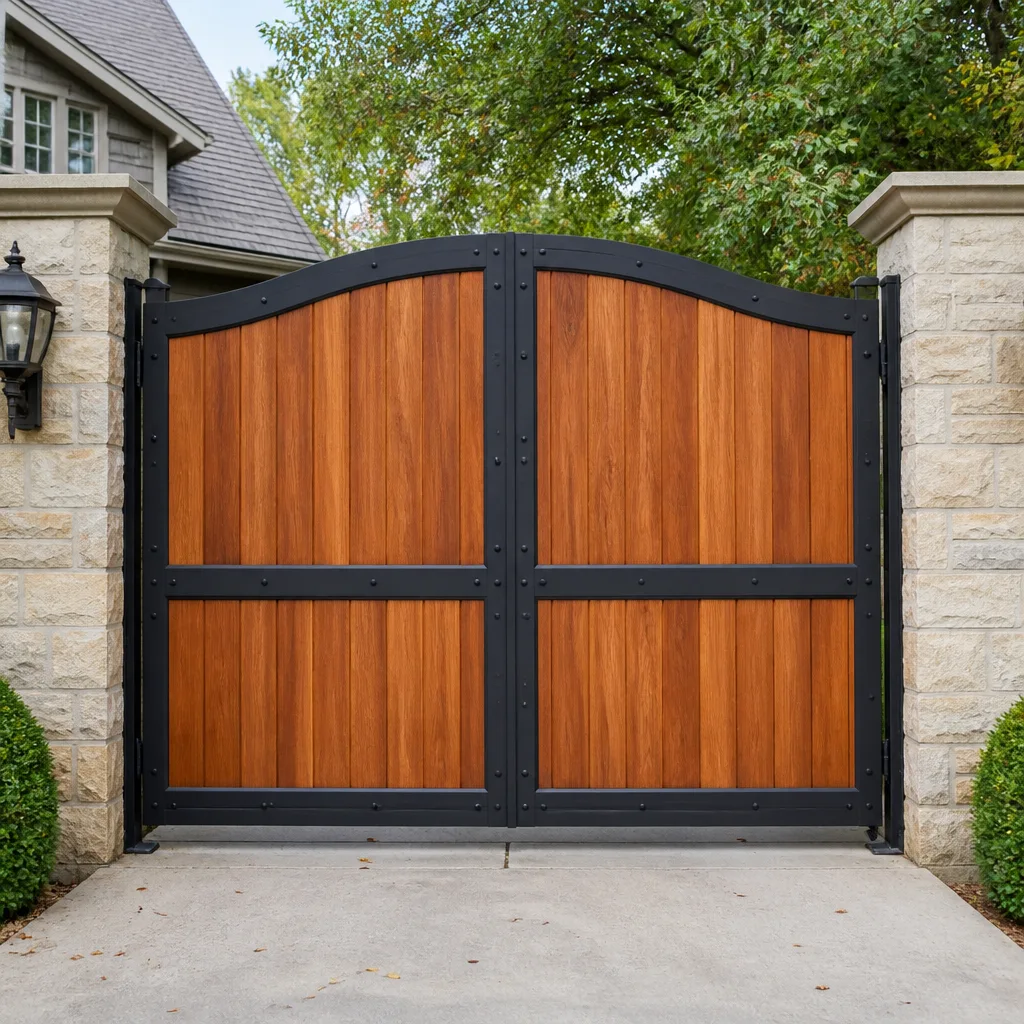 Wood & steel frame
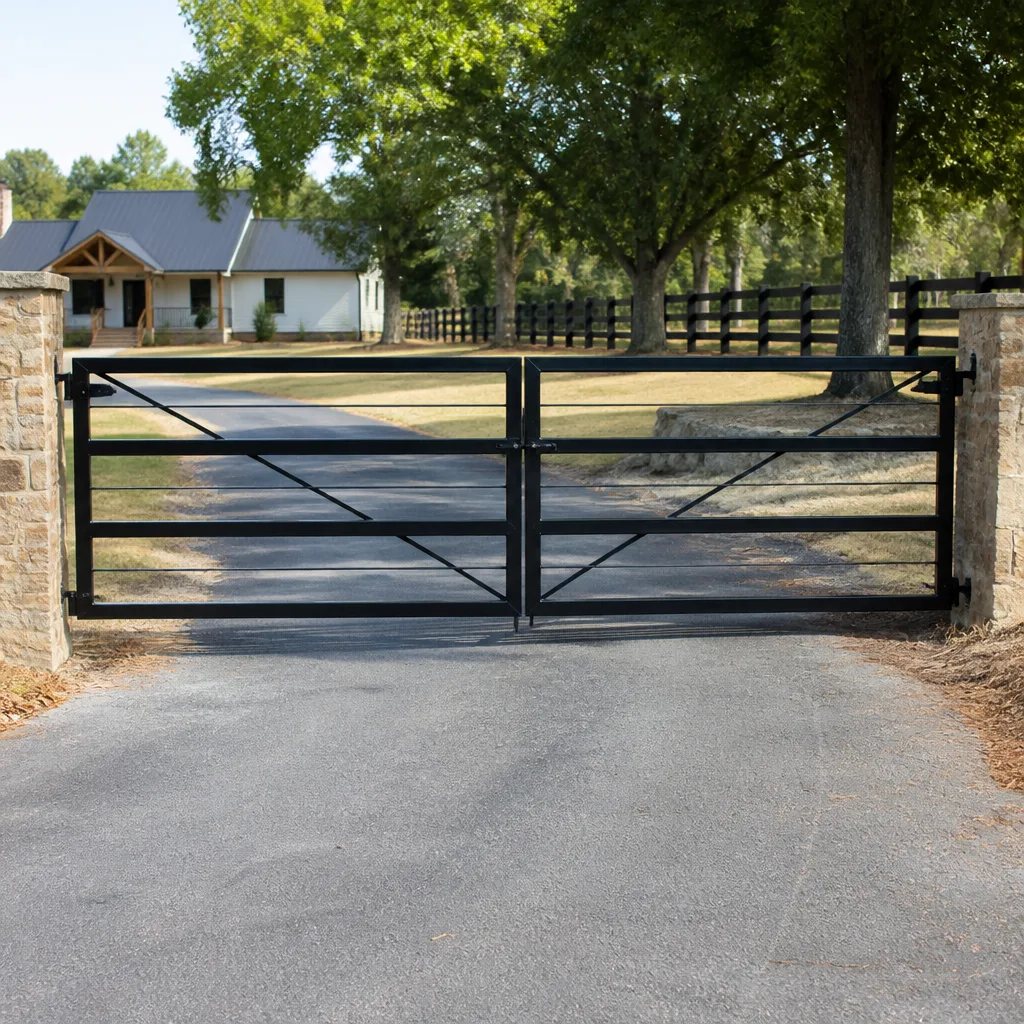 Farm & ranch
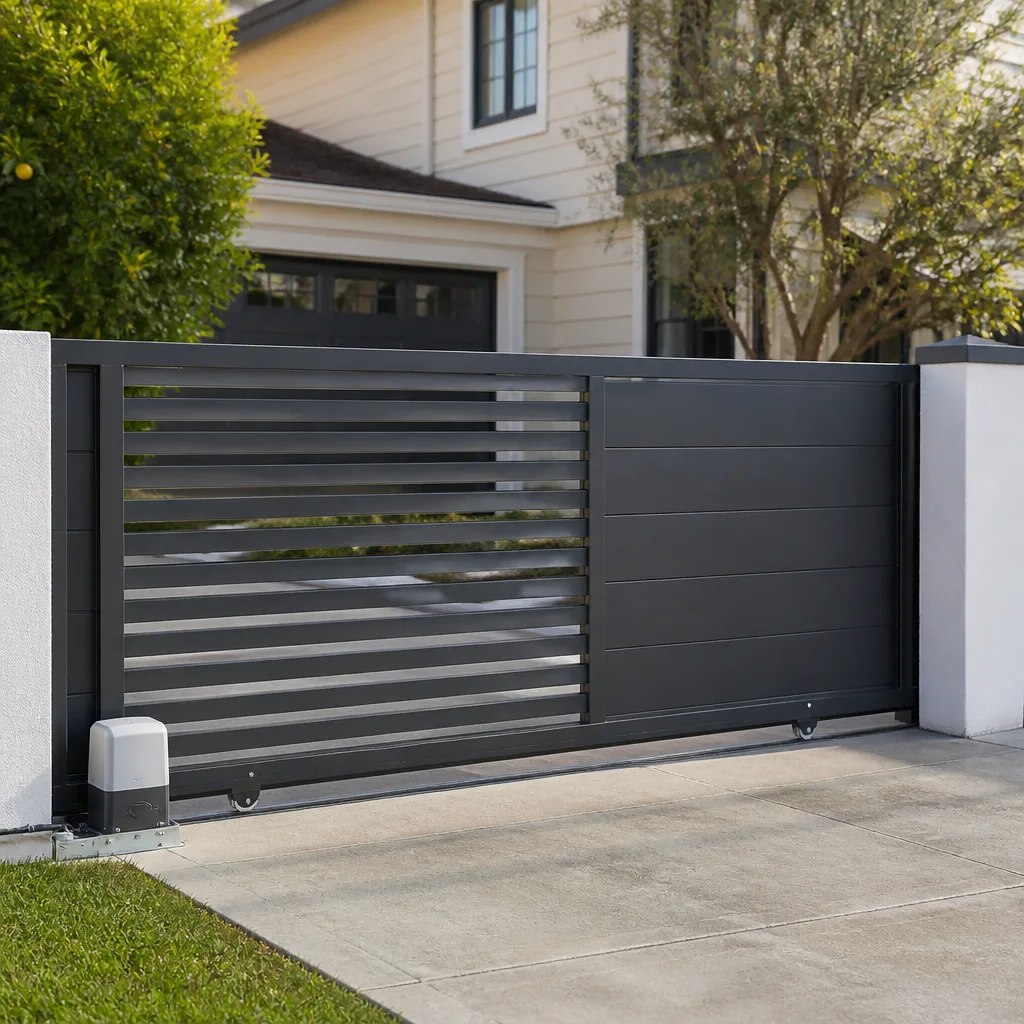 Sliding driveway gates
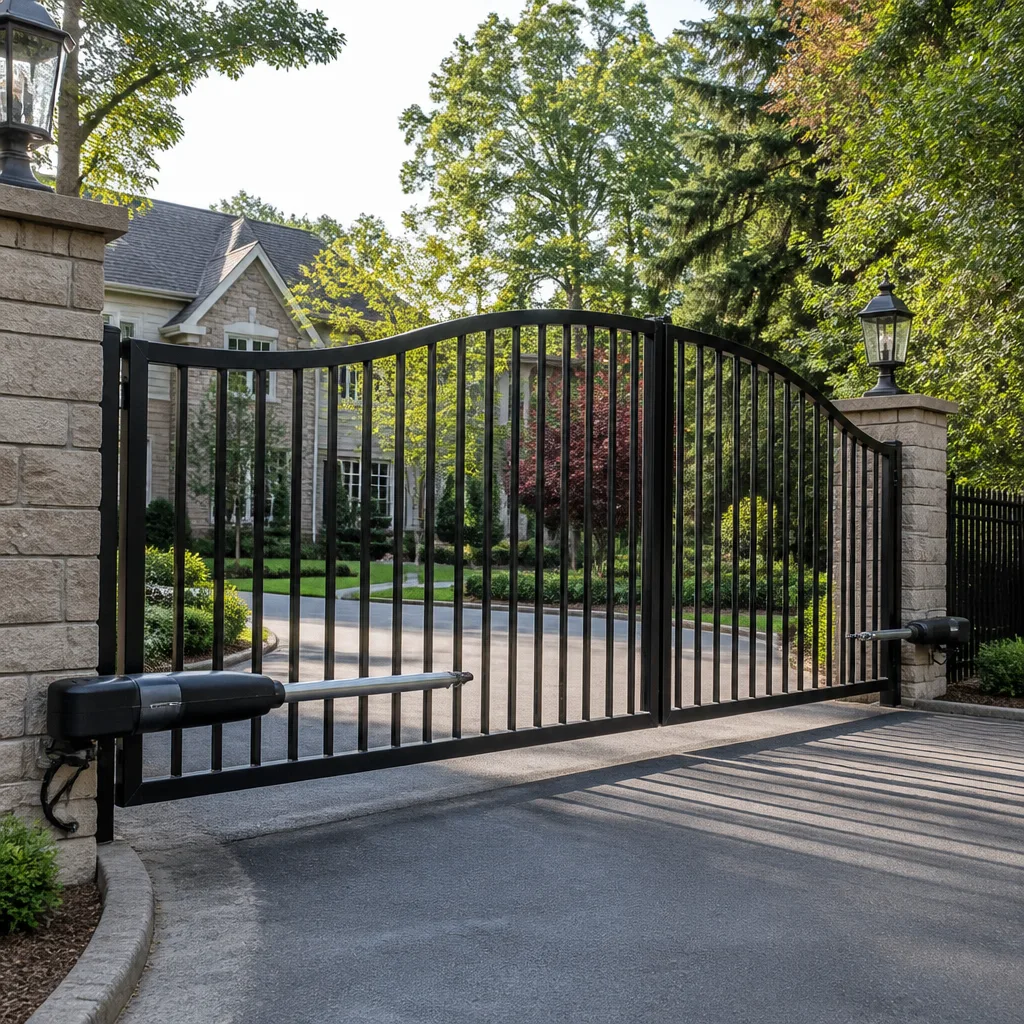 LiftMaster operators
Free on-site gate assessment - hinges, posts, and your LiftMaster or Nice gate operator checked before anything is quoted
The assessment is free and the quote is the invoice.
Get your free estimateGate Repair Permits, Codes & Inspections in Westminster, CA: What You Need to Know
Most homeowners in Westminster don’t realize that bolting a gate operator onto an existing manual gate can trigger the same permit scrutiny as building the gate itself. Add a keypad, a loop detector, or replace an older operator with a different model, and you may have just created an unpermitted installation. That matters because an operator installed without a permit isn’t just a code violation on paper. It’s an uninsured liability the moment a vehicle or person is injured by the system. This guide walks through which gate projects in Westminster require a City of Westminster building permit, which ones don’t, what inspectors actually check, how UL 325 factors in, and how HOAs layer their own rules on top of city code.
Quick Answer
In Westminster, CA, routine gate repair and like-for-like operator replacement are generally exempt from city building permits, but adding an operator to a previously manual gate, relocating a gate, installing a new access control system, or changing the gate’s footprint typically requires a City of Westminster building permit. UL 325 compliance for automatic gate operators is mandatory regardless of permit status. HOA rules in Westminster communities can impose additional approvals beyond city requirements. Always confirm with the Westminster Building Division before starting work, because the written estimate for any permitted project should include permit costs and inspection scheduling.
Styles & brands we work with
- Wrought iron
- Wood & steel frame
- Farm & ranch
- Sliding driveway gates
- LiftMaster operators
Table of Contents
- Which Gate Projects in Westminster Require a Permit
- What Counts as Routine Repair vs. New Work
- UL 325 Compliance: What Inspectors Check
- HOA Overlay Rules in Westminster Communities
- Permit Timeline and Cost in Westminster
- Like-for-Like Replacement Explained
- How the Inspection Process Works
Which Gate Projects in Westminster Require a Permit
Westminster’s Building Division issues permits through its Community Development Department, and the general rule is straightforward: anything that changes the structure, the electrical system, or the use of a gate triggers review. The projects most likely to need a permit in Westminster include:
- Adding an operator to a manual gate: This is the one project homeowners consistently assume is exempt. It isn’t. You’re introducing electrical wiring, a motor, and entrapment protection devices. The city treats this as new electrical work plus new equipment installation.
- Relocating a gate: Moving a gate post or changing where a gate sits on your property alters setbacks and potentially sight lines. Westminster reviews this as structural work.
- Installing a new access control system: Keypads, card readers, telephone entry systems, and vehicle loop detectors all involve low-voltage wiring. Many Westminster homeowners assume low-voltage work doesn’t need a permit. That assumption is wrong when the wiring is part of a permanent installation connected to a gate operator.
- Replacing an operator with a different model or type: Swapping a swing gate operator for a slide gate operator, or moving from a residential to a commercial-duty unit, changes the system’s load and safety requirements. Westminster treats this as new installation, not repair.
- Any project that modifies the gate’s footprint or height: Adding a pedestrian gate alongside a vehicle gate, extending a gate panel, or raising gate height all require plan review.
We work on gate systems from DoorKing, Elite, Mighty Mule, and LiftMaster specifically, and we’ve seen how the same physical repair can fall on either side of the permit line depending on what’s actually being done. Replacing a worn gear on a DoorKing operator is repair. Replacing an entire DoorKing operator with a newer DoorKing unit of the same type and capacity is like-for-like replacement. Replacing that DoorKing with a different brand or a different swing arc type crosses into permit territory. The distinction comes down to whether the system’s operating characteristics change.
Our gate repair work in Westminster often clarifies this for homeowners who thought any electrical work near a gate automatically required pulling permits. The city is more specific than that, and knowing the line saves you from either unnecessary permit costs or unpermitted liability. When the project does require a permit, the city wants to see a basic site plan, equipment specs, and the wiring method before issuing approval.
What Counts as Routine Repair vs. New Work
Westminster code enforcement operates on a simple principle: maintaining what exists is not the same as creating something new. Routine repair and replacement of existing gate components do not require a building permit when the work does not modify the system’s function, capacity, or location. Here’s how that distinction plays out on the ground:
Quick Answer: Replacing a failed circuit board, a worn hinge, a motor, a sensor, or a remote receiver on an existing gate is routine repair in Westminster and generally exempt from permits. Adding a motor where none existed, changing the operator type, or moving the gate is new work and requires a permit.
Routine repair and replacement (no permit typically required)
- Replacing a failed control board on an existing operator
- Swapping a worn hinge, wheel, or roller on an existing gate panel
- Replacing a photo eye, edge sensor, or loop detector that has failed
- Installing a new remote control receiver compatible with the existing operator
- Replacing a motor or gearbox with the same type and capacity
- Straightening or re-welding a gate panel on existing posts
- Replacing a keypad with the same model or an equivalent unit
New work or modification (permit typically required)
- Adding an operator to a gate that was previously manual
- Replacing an operator with a different type, brand, or capacity class
- Installing new posts, footings, or concrete work for a gate
- Changing the gate’s swing direction or slide path
- Adding a pedestrian gate to an existing vehicle gate installation
- Running new electrical conduit or circuits to the gate location
- Installing a telephone entry system or multi-tenant access control
The practical takeaway for Westminster property managers and homeowners is to ask one question before any gate work: does this change how the gate operates? If the answer is no, you’re almost always in repair territory. If the answer is yes, assume a permit conversation is coming. We raise this with every customer during the estimate phase because learning about a missing permit during escrow or after an insurance claim is far worse than handling it before work starts.
UL 325 Compliance: What Inspectors Check
UL 325 is the national safety standard for automatic gate operators, and Westminster inspectors use it as their reference point whenever a gate operator is part of any permitted project. Even repair work that doesn’t require a city permit must still meet UL 325 because the standard is triggered by the equipment’s operation, not by the local permit process. Here’s what inspectors and code officials actually look for:
- Entrapment protection devices: Every automatic gate operator must have at least two independent entrapment protection methods. For swing gates, that typically means a Type A inherent sensor (the operator detects obstruction and reverses) plus an external device like photo eyes or a contact edge. For slide gates, photo eyes mounted across the gate path are standard.
- Warning signage: UL 325 requires specific warning signs on both sides of the gate, sized and worded per the standard. Inspectors check for these signs during any inspection involving a gate operator.
- Secondary entrapment protection for pinch points: Swing gates create pinch points where the gate panel meets the post. UL 325-compliant installations address this with protective covers, gap guards, or sensor placement.
- Operator manual and installation records: The operator’s installation manual must be on site, and the installer should document the types and placement of entrapment protection devices.
- Grounding and bonding: The electrical installation must be properly grounded, with the operator chassis bonded to the grounding system. Westminster inspectors verify this on any permitted electrical work.
Our experience working on electric gate repair in Westminster has taught us that many unpermitted operator installations fail UL 325 not because the equipment is defective, but because the installer skipped warning signs or mounted photo eyes at the wrong height. Inspection corrections are usually simple when caught early. They become expensive when discovered after an incident.
For Westminster homeowners with LiftMaster or Mighty Mule residential operators, UL 325 compliance is primarily a matter of keeping the factory-installed entrapment protection intact and replacing sensors when they fail. For commercial properties using DoorKing or Elite operators, the standard requires more documentation and often a more rigorous inspection. The gate’s duty cycle and usage environment change what the inspector expects to see. A sliding gate at a Westminster apartment complex faces different scrutiny than a swing gate at a single-family home.
HOA Overlay Rules in Westminster Communities
Westminster has a dense patchwork of homeowner associations, particularly in the larger planned communities and newer subdivisions. HOAs in Westminster typically have architectural review committees that must approve gate changes before the city permit process even begins. This creates a two-layer approval system that catches many homeowners off guard.
What makes Westminster HOA rules interesting is that they sometimes exceed city code. A city permit might allow a particular gate height or style, but the HOA’s CC&Rs may restrict gate height to maintain sight lines, specify a particular material or finish, or prohibit certain operator types because of noise concerns. Some Westminster HOAs require all gate operators to be enclosed in specific housings or painted to match a community standard. Others restrict slide gates entirely because the track system conflicts with their landscape design standards.
The HOA approval timeline in Westminster varies by association, but most architectural review committees take two to four weeks to review a gate modification request. That timeline runs parallel to, or sometimes before, the city permit process. A practical sequence looks like this:
- Review your CC&Rs and architectural guidelines before choosing any gate or operator
- Submit the HOA architectural review application with equipment specs and site drawings
- Obtain written HOA approval
- Apply for the City of Westminster building permit with the HOA approval attached
- Schedule work after both approvals are in hand
- Coordinate city inspection and HOA final walkthrough if the HOA requires one
We’ve worked on Westminster gate projects where the HOA approval was the real bottleneck, not the city. A homeowner who starts with the HOA process and gets the community’s design constraints in writing before buying equipment will save themselves from ordering an operator their HOA won’t approve. That’s a far more common problem than most people expect. If the HOA restricts brands or requires a specific operator type, that constraint goes into our estimate rather than becoming a surprise after purchase.
Permit Timeline and Cost in Westminster
The City of Westminster building permit process for gate work moves through several predictable stages. Homeowners doing this for the first time benefit from understanding the sequence and budgeting for it as part of the project, not as an afterthought.
Typical timeline for a gate permit in Westminster
- Application intake (1-2 business days): Submit the permit application with site plan, equipment specifications, and electrical details. The city reviews for completeness.
- Plan review (5-10 business days): The plans examiner reviews the submission for code compliance. Simple operator additions usually pass quickly. Relocations or new access control systems may take longer.
- Corrections and resubmittal (variable): If the reviewer requests changes, each resubmittal resets part of the clock. A well-prepared application reduces this risk significantly.
- Permit issuance (1-2 business days after approval): Once approved, the permit is issued and work can begin.
- Inspection scheduling (1-3 business days out): Westminster schedules inspections on a next-available basis. The rough electrical inspection happens after wiring but before concealment, and the final inspection happens after the system is fully operational.
Permit costs scale with project valuation, not with the complexity of the gate itself. A simple operator addition on an existing manual gate carries a lower valuation and therefore a lower permit fee than a full gate relocation with new footings and electrical service. The Westminster Building Division can provide the current fee schedule, and we factor permit costs into every written estimate where a permit is required. There’s no flat number we can quote here because the valuation changes per project, but homeowners should expect permit fees to be a line item on any legitimate estimate for new work.
The written estimate we provide always states whether a permit is included in the scope of work. For repair-only projects that don’t need a permit, the estimate simply reflects the repair cost. For projects that cross into permit territory, the estimate includes the permit application, city fees, and inspection coordination. Every price is quoted and agreed before any work starts. That keeps the project predictable from the first visit.
Like-for-Like Replacement Explained
“Like-for-like replacement” is the term Westminster building officials use to describe swapping a failed component or system with one that performs the same function at the same capacity. It’s the most important concept for gate owners to understand because it determines whether your project is a same-day repair or a multi-week permit process.
A like-for-like replacement means the new component is functionally equivalent to the old one: same voltage, same operating method, same capacity class, same mounting configuration. If your existing LiftMaster swing gate operator fails and you replace it with another LiftMaster swing gate operator rated for the same gate weight and cycle duty, that’s like-for-like. No permit required in Westminster.
Here’s where the definition gets precise:
- Same operator type: Swing for swing, slide for slide. Changing from swing to slide is not like-for-like.
- Same capacity class: Residential for residential, commercial for commercial. Upgrading from a residential operator to a commercial unit changes the system’s safety requirements.
- Same entrapment protection approach: If the new operator requires different sensors than the old one had, the installation changes and may trigger review.
- Same electrical characteristics: Same voltage, same amperage draw, same circuit requirements. Running a new circuit to accommodate a larger operator is electrical work that requires a permit.
The brand does not have to match for like-for-like replacement. Replacing a failed Mighty Mule with an equivalent Elite operator of the same type and capacity is still like-for-like, as long as the installation method and safety systems are equivalent. We work on nine gate brands including Elite, Mighty Mule, LiftMaster, and DoorKing, which means we can guide Westminster homeowners through the like-for-like analysis without pushing them toward any particular brand. The conversation starts with what you have and what failed, not with what we prefer to sell.
One gate system with one operator, one wiring method, and one set of safety devices. That’s the difference between a repair call and a permit project. When the decision is genuinely borderline, we recommend calling the Westminster Building Division directly. The city’s plans examiners will tell you what they need, and getting that answer in writing is worth more than any secondhand advice.
How the Inspection Process Works
When a Westminster gate project does require a permit, the inspection process follows a standard sequence that’s easy to understand once you know what’s coming. Inspectors are not there to find reasons to fail the project. They’re there to verify that the work matches the approved plans and meets the safety standards. Here’s how it unfolds:
- Rough electrical inspection: This happens after conduit and wiring are installed but before they’re concealed. The inspector verifies wire gauge, grounding, conduit type, and depth of any underground runs. For gate operators, this is the critical electrical checkpoint.
- Footing and setback inspection: If the project includes new posts, footings, or concrete work, the inspector checks depth, diameter, and location relative to property lines. Westminster’s setback requirements vary by zoning district, so the approved plan dictates what’s checked.
- Final inspection: This happens after the gate system is fully installed and operational. The inspector verifies UL 325 compliance, tests entrapment protection devices, checks warning signage, confirms the operator reverses properly under obstruction, and reviews the installation manual on site.
Inspections in Westminster are scheduled through the Building Division’s inspection request system. The homeowner or contractor requests the inspection once the work reaches the appropriate stage. Most inspections are completed the same day they’re scheduled, and corrections are documented on the inspection report if anything fails.
A failed inspection is not the end of the world. It’s a list of corrections, typically small ones: missing warning sign, photo eye mounted too high, a bonding lug not torqued. We fix the items and schedule a re-inspection. The process is designed to catch problems before the gate becomes a liability, not to punish anyone for minor oversights. From our side, the key is having the operator’s installation manual on site and the entrapment protection devices properly documented before the inspector arrives.
For Westminster homeowners who’ve never gone through a gate inspection, the main thing to understand is that the inspector’s focus is safety, not aesthetics. They care about entrapment protection, grounding, signage, and setback compliance. They don’t care whether the gate matches your house. That’s the HOA’s job.
Common Mistakes to Avoid
- Assuming all gate work is exempt from permits: This is the most expensive assumption in Westminster. Adding an operator to a manual gate is new electrical work, not repair, and it requires a permit. Unpermitted operator installations get flagged during home sales and can void insurance coverage if the gate injures someone.
- Skipping the HOA review because the city approved the permit: Westminster HOAs operate independently of city code. A city permit does not override CC&R restrictions. Skipping HOA review often results in an order to remove or modify the gate at the homeowner’s expense.
- Removing factory-installed entrapment protection during a repair: Some homeowners disable photo eyes or bypass edge sensors because they’re annoying. That’s a UL 325 violation and a significant liability. The devices exist to protect people from a crushing injury.
- Treating like-for-like replacement as anything close enough: Same brand but higher capacity is not the same thing. A commercial-duty operator where a residential unit existed changes the system’s safety class and triggers permit review in Westminster.
- Not getting the no-permit-needed determination in writing: If the city tells you by phone that a project doesn’t need a permit, ask for that in an email. Verbal advice doesn’t help during a home sale disclosure.
- Underestimating the timeline for approved plans: Westminster plan review takes time, and HOA review takes more time. Starting the process after you’ve already bought the gate and scheduled the installation leads to parts sitting in the garage while approvals grind through.
- Hiring a generalist who doesn’t understand gate-specific code: A general handyman may do fine work on a fence but have no working knowledge of UL 325 or Westminster’s electrical requirements for gate operators. Gate work is specialized. The code knowledge required for a compliant operator installation is specific to this trade.
See the difference
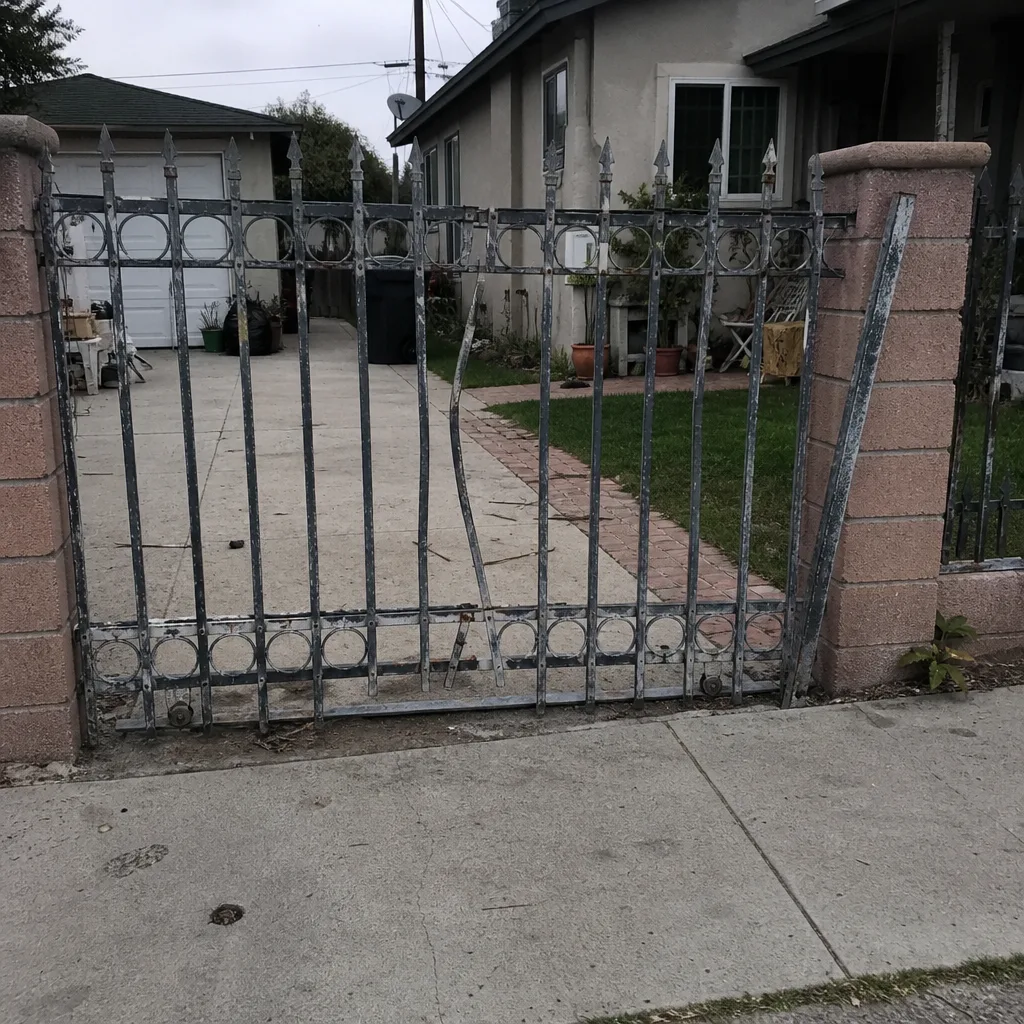 Before
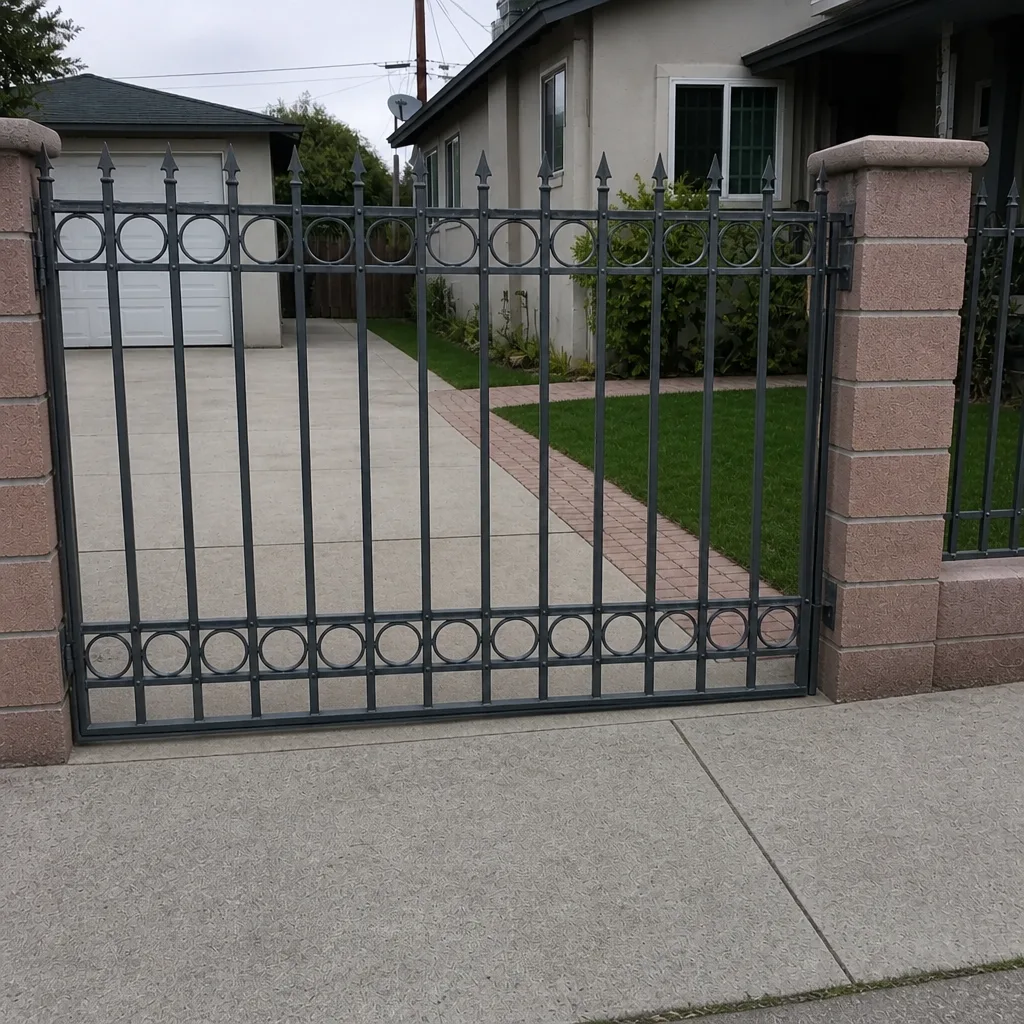 After
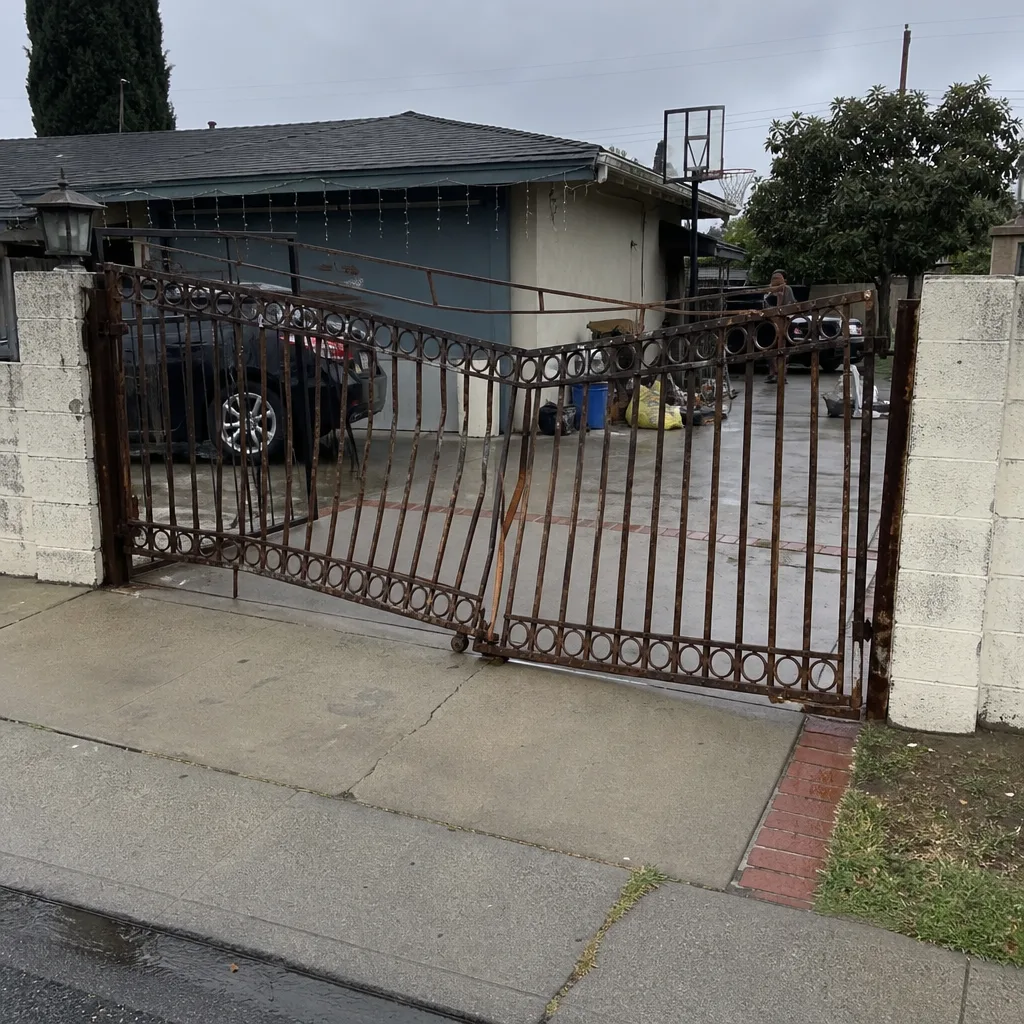 Before
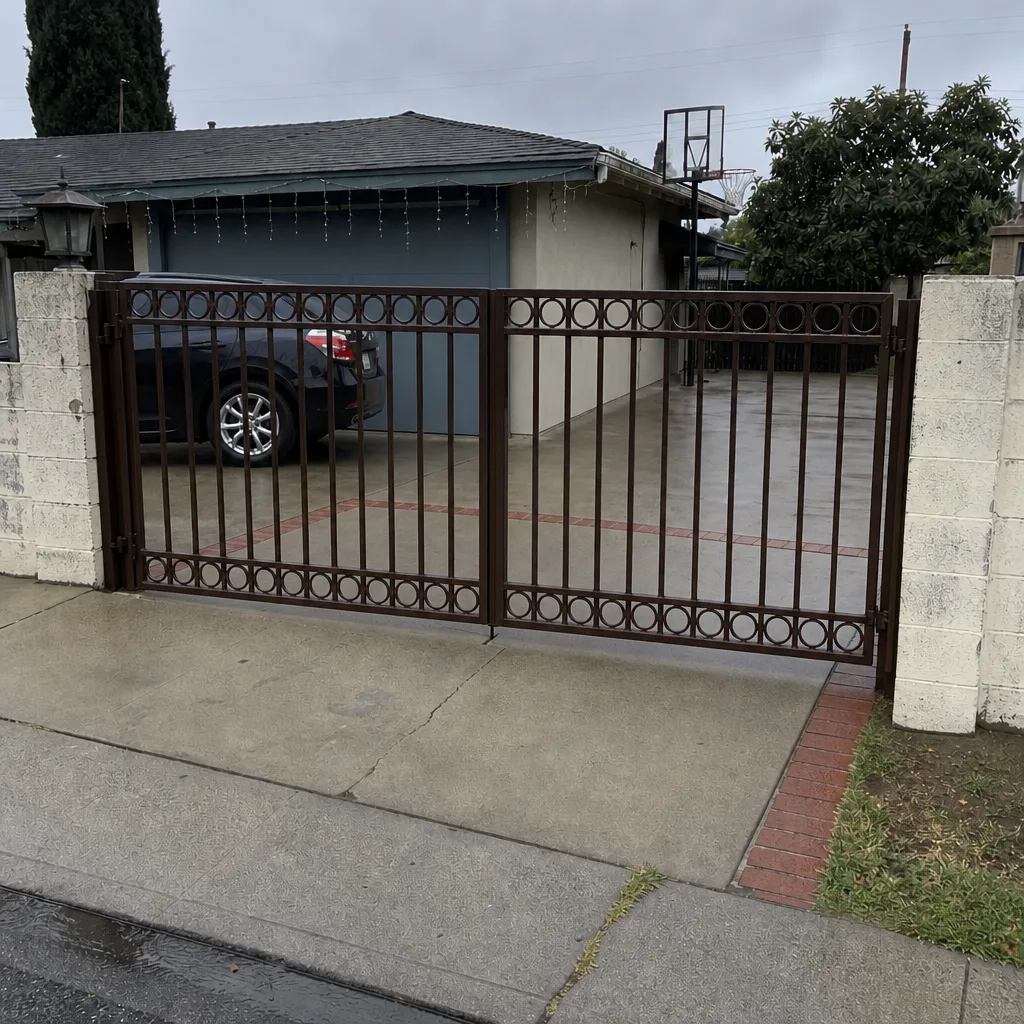 After
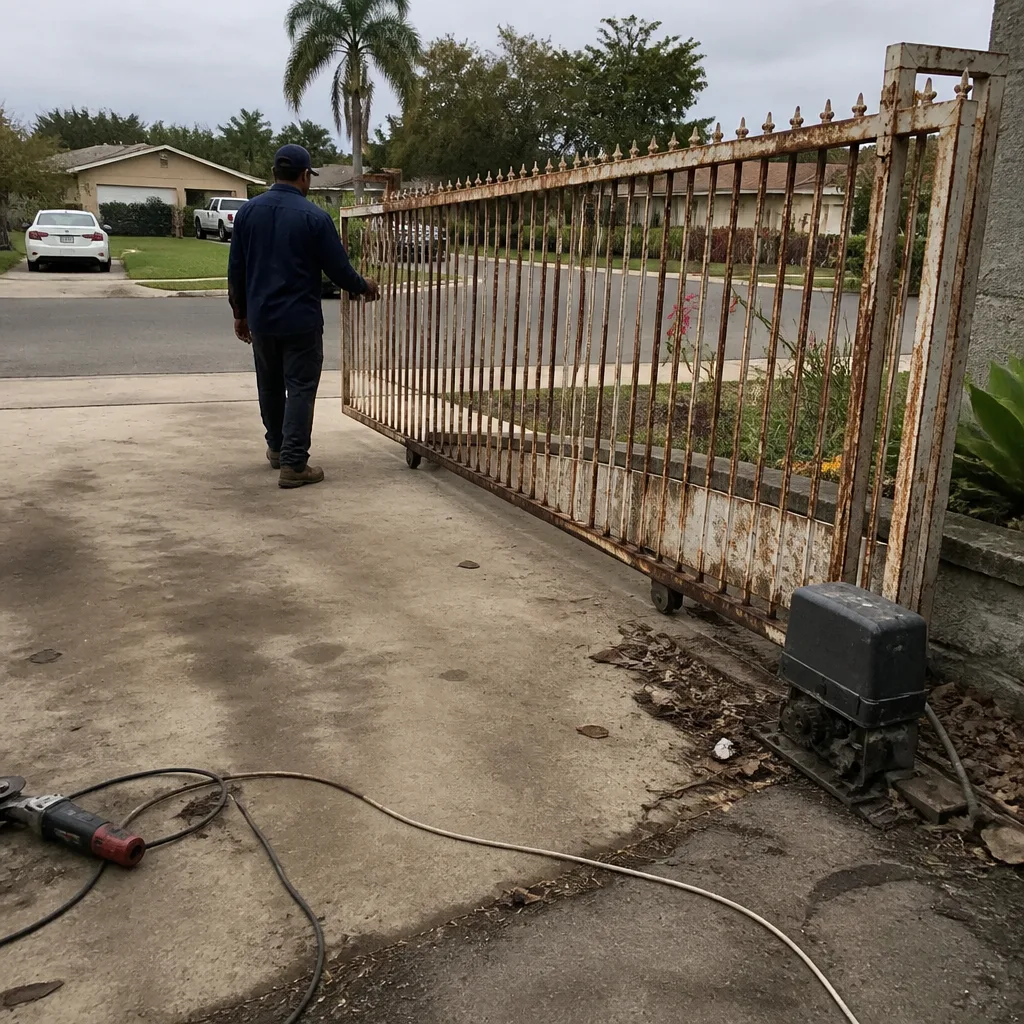 Before
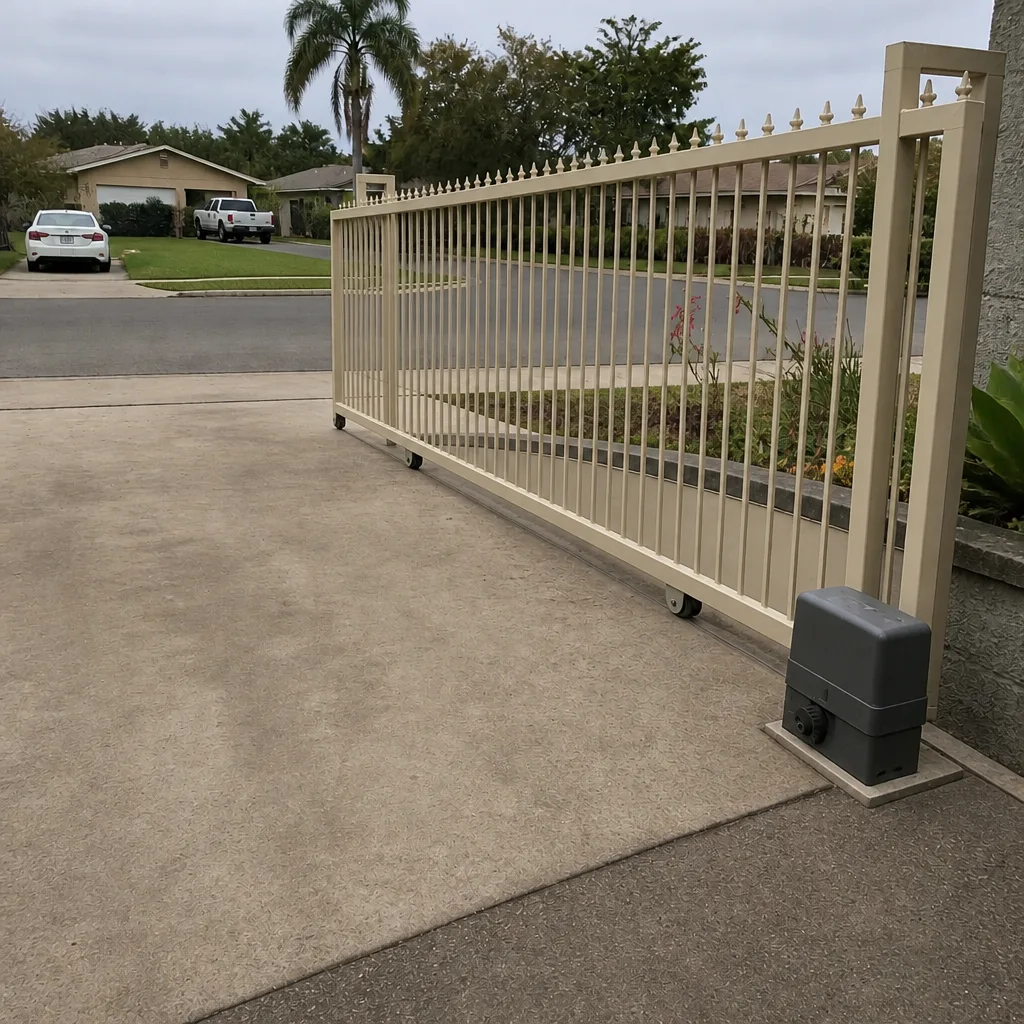 After
When to Call a Professional
Any gate project in Westminster that touches an operator, wiring, or entrapment protection is a project for a gate specialist. That’s not gatekeeping. It’s a recognition that the safety standards here are specific and the failure modes are dangerous. A slide gate coming off its track can crush someone. A swing gate closing with a failed sensor can trap a child. An improperly grounded operator can energize the entire gate frame. These aren’t hypothetical risks. They’re the reasons UL 325 exists.
Call us if you’re planning to add an operator to a manual gate, if your existing operator is failing and you don’t know whether the replacement qualifies as like-for-like, if you need entrapment protection devices installed or verified, or if you’ve received an HOA notice about your gate. We also help Westminster homeowners who’ve inherited an unpermitted gate from a previous owner and need to bring it into compliance. Gate Repair Westminster offers free estimates in Westminster. Call (866) 569-6562. We answer 24/7. Fast dispatch from 7am to 7pm, Sunday through Friday.
Frequently Asked Questions
Routine gate repair and like-for-like replacement of existing components generally do not require a City of Westminster building permit. Adding an operator where none existed, changing the operator type, relocating the gate, or installing new access control equipment does require a permit. If you’re unsure which category your project falls into, call the Westminster Building Division or ask us during the estimate. Call (866) 569-6562 for a free on-site assessment.
UL 325 is the national safety standard for automatic gate operators, and it applies to every operator installation in Westminster, residential and commercial, permitted or not. It requires entrapment protection devices, specific warning signage, and proper electrical grounding. Inspectors verify UL 325 compliance on any permitted gate project, and insurance companies look for it after any incident.
Installing a gate operator on a previously manual gate is new electrical and mechanical work that requires a City of Westminster building permit. Doing the work without a permit creates an unpermitted installation that can block a future home sale and give your insurer grounds to deny a claim if someone is injured. We recommend pulling the permit before starting the work. Our estimates include permit costs when the project requires one.
Plan review in Westminster typically takes five to ten business days after application intake, assuming the submission is complete and no corrections are requested. HOA architectural review, when applicable, adds two to four weeks on top of that. Budget four to six weeks total for most permitted gate projects, from application to approval.
Yes. HOAs in Westminster have independent architectural review authority, and many require approval before any visible gate change, regardless of city permit status. Some HOAs have stricter design standards than city code. Start with your HOA’s architectural guidelines, get written approval, then apply for the city permit.
An unpermitted gate operator becomes your responsibility the day you close. You can choose to leave it in place and accept the insurance and disclosure risk, or bring it into compliance. Compliance usually means getting the installation inspected, correcting any UL 325 deficiencies, and obtaining a permit retroactively if the city requires one. We’ve helped Westminster homeowners sort this out, and the process is usually more straightforward than people fear. Call (866) 569-6562 for a free estimate on bringing an existing gate into compliance.
The Bottom Line
Westminster gate permits come down to one question: are you maintaining what exists, or creating something new? Repair and like-for-like replacement are exempt. New operators, relocated gates, and modified access systems require city approval, and HOAs add their own layer on top. UL 325 safety compliance applies regardless of permit status, and skipping it creates an insurance liability that surfaces at exactly the wrong time. The process is manageable when you understand the sequence: HOA first, city permit second, work third, inspection fourth. Get the permit decision in writing, budget four to six weeks for approvals when a permit is required, and never let a generalist touch an operator installation. Gate work is specialized, and in Westminster it’s worth doing once, correctly.
Written by the team at Gate Repair Westminster, serving Westminster since 2011.