
Last updated November 4, 2026
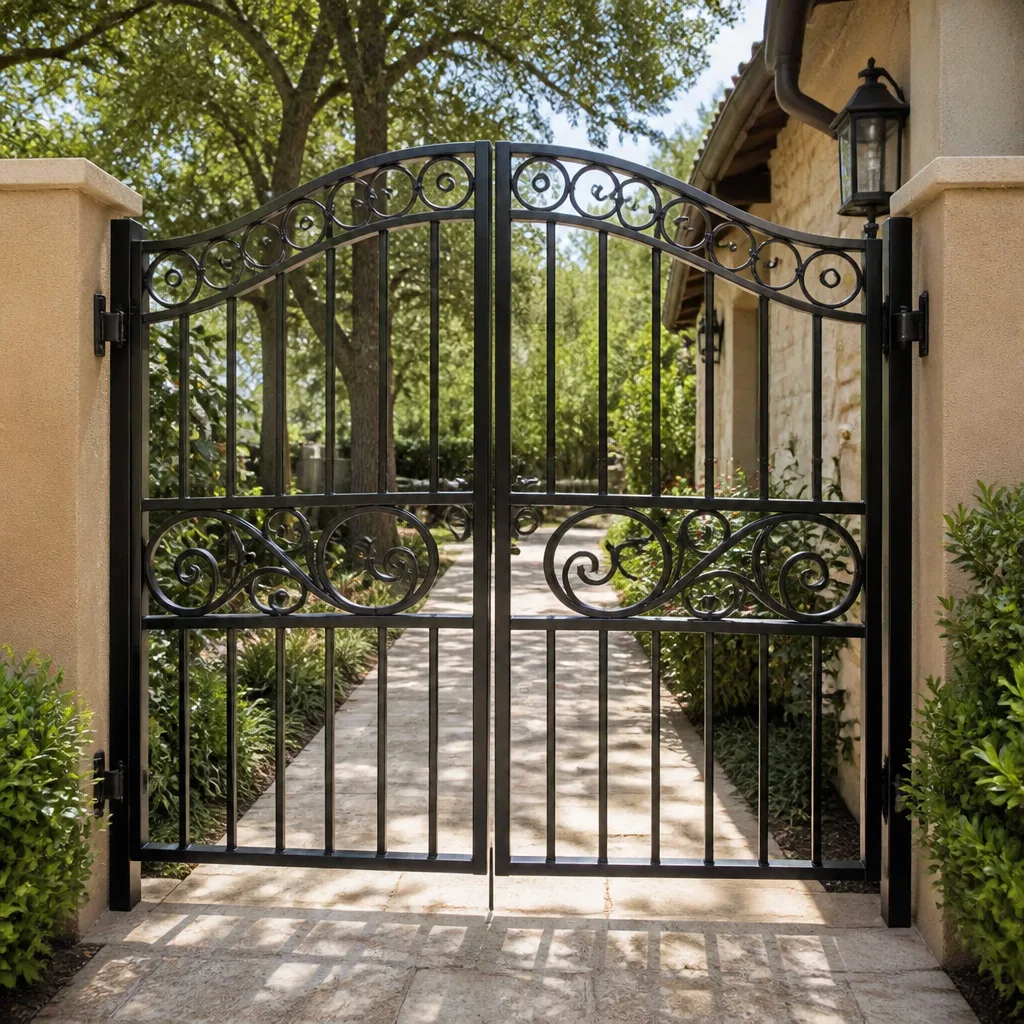 Wrought iron
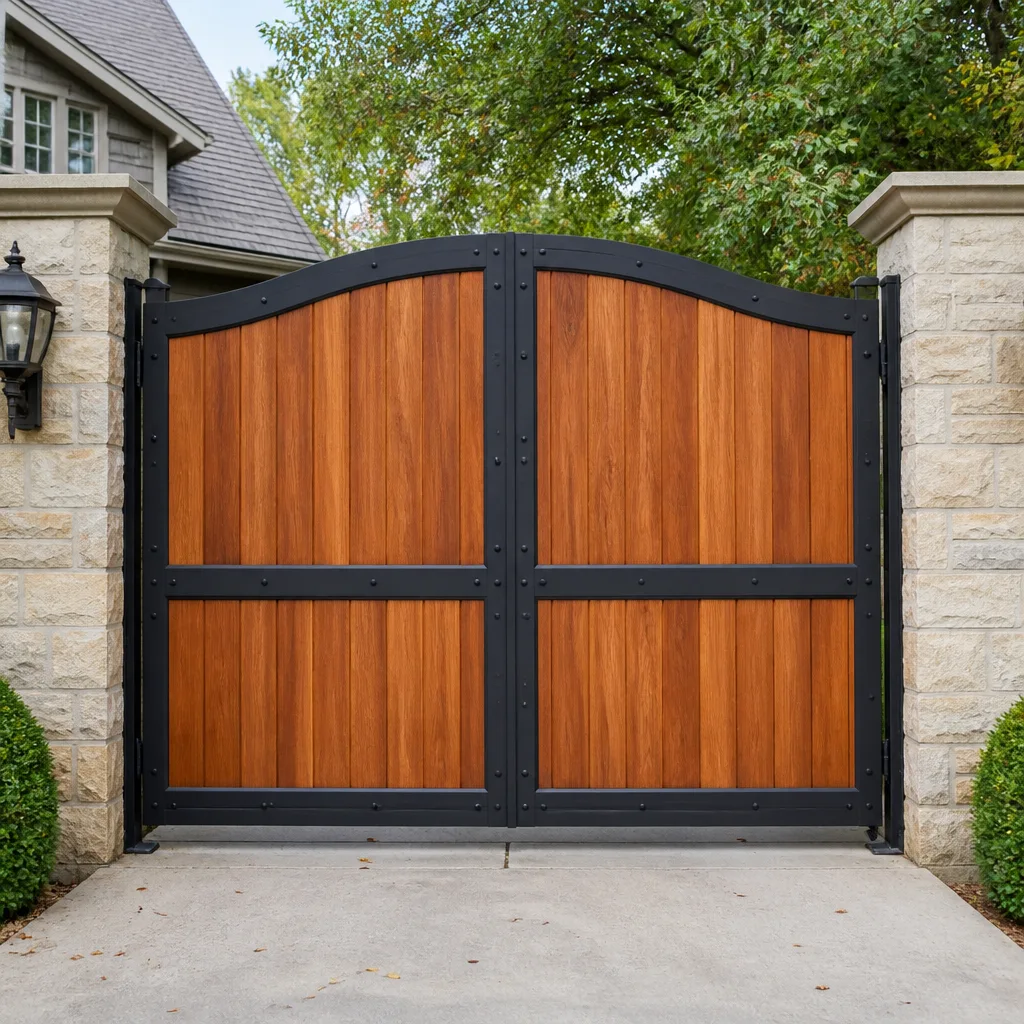 Wood & steel frame
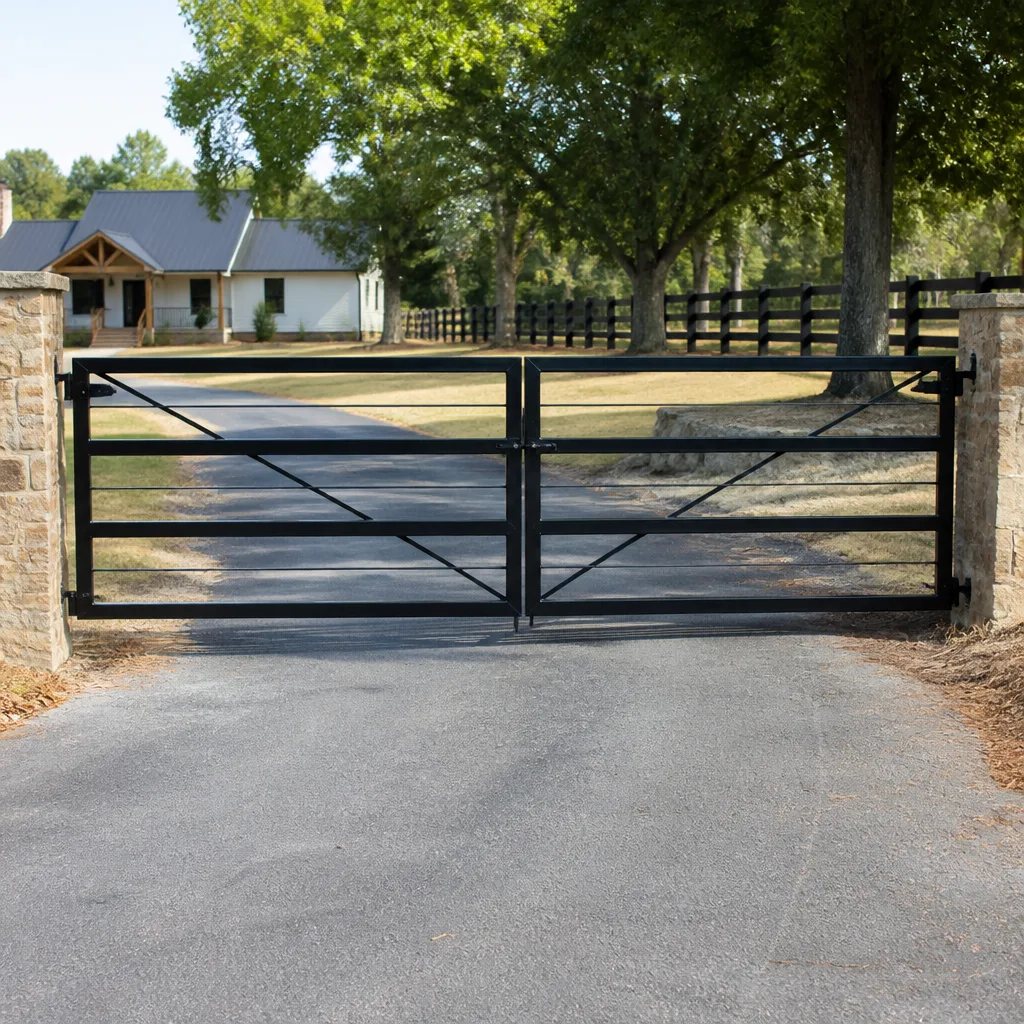 Farm & ranch
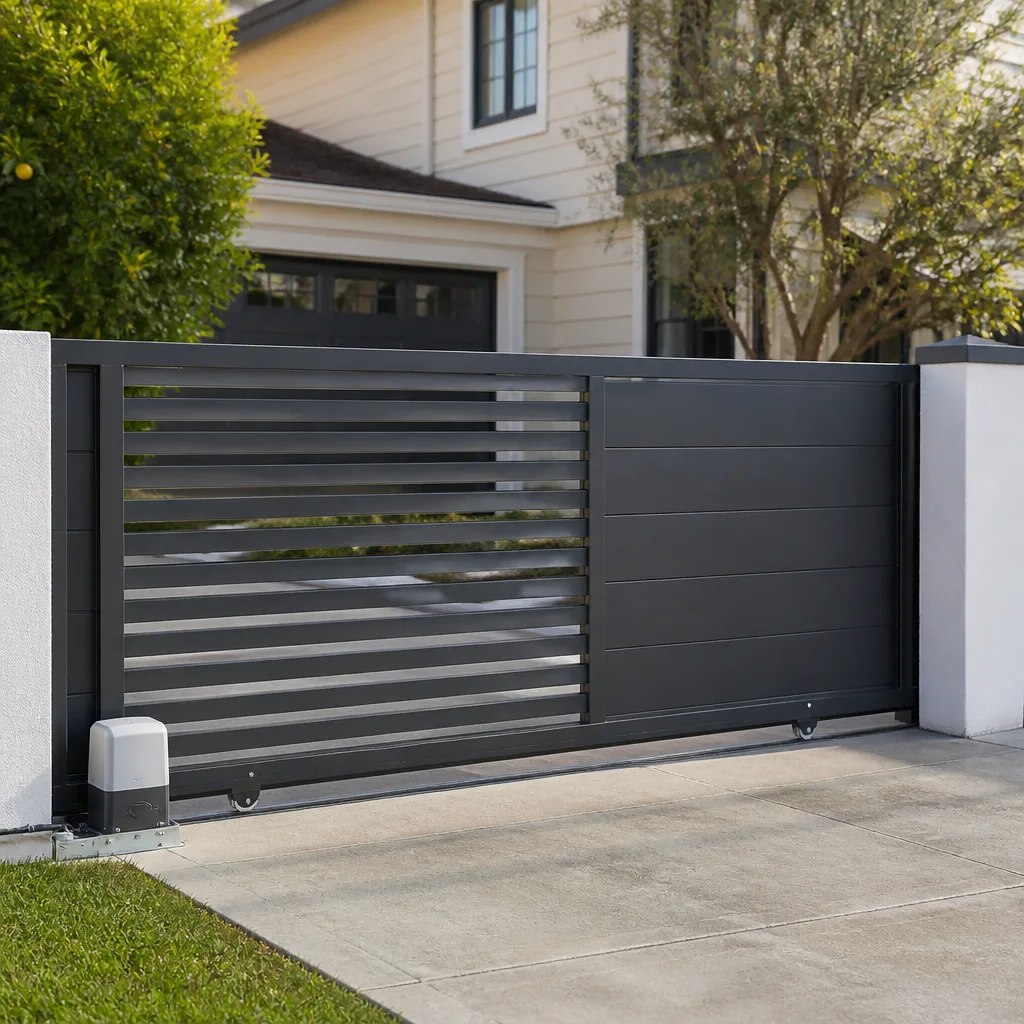 Sliding driveway gates
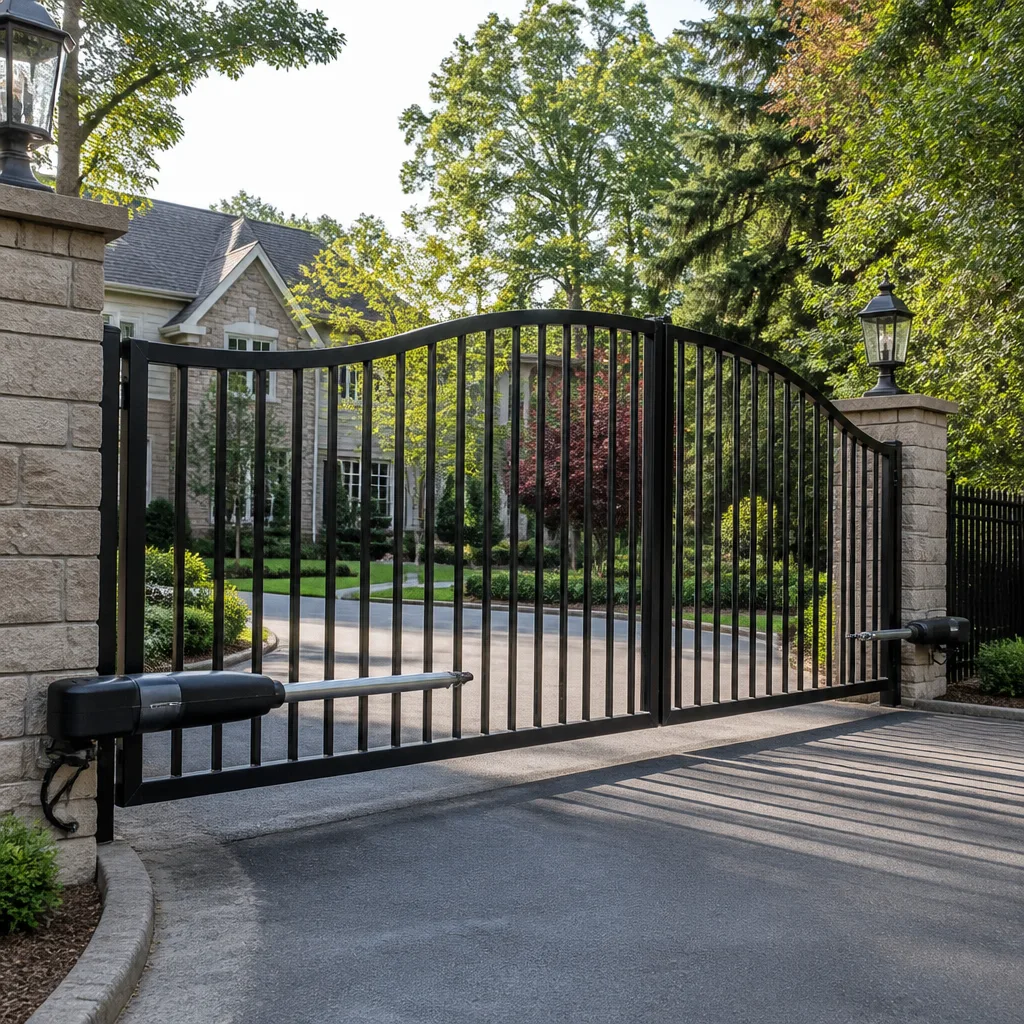 LiftMaster operators
Free on-site gate assessment - hinges, posts, and your LiftMaster or Nice gate operator checked before anything is quoted
The assessment is free and the quote is the invoice.
Get your free estimateGate Repair Maintenance Schedule: What to Do and When
The standard advice tells you to lubricate your gate every six months. What it doesn’t say is that a 20-unit apartment complex gate cycling 40 times a day needs that same service every six weeks. Skipping it is what turns a $45 chain adjustment into a $900 operator replacement. Most Westminster property owners don’t have a maintenance problem. They have a scheduling problem. This guide replaces the generic calendar checklist with a system built around real wear triggers: cycle counts, Westminster’s specific seasonal stress patterns, and the component lifespans we actually see in the field. You’ll learn what to check monthly, what to schedule annually, and which tasks genuinely need a specialist versus what you can handle between visits.
Styles & brands we work with
- Wrought iron
- Wood & steel frame
- Farm & ranch
- Sliding driveway gates
- LiftMaster operators
Quick Answer
A proper gate repair maintenance schedule in Westminster uses cycle counts, not calendar months. Residential gates need lubrication and inspection every 3 to 4 months or roughly every 3,000 cycles. Commercial gates serving 20 or more units need the same service every 6 to 8 weeks. The two Westminster calendar events that matter most are late spring marine layer moisture and the fall Santa Ana wind season. Both create specific hardware failures we see every year.
Table of Contents
- Why Calendar Schedules Fail for Gates
- The Cycle Count Method: How to Set Your Real Schedule
- Monthly Tasks a Property Manager Can Do Safely
- Quarterly Tasks That Need a Technician
- Westminster’s Two Seasonal Stress Events
- Component Lifespan Benchmarks: When Replacement Beats Repair
- A Maintenance Log Template That Actually Works
- Common Mistakes to Avoid
- When to Call a Professional
- Frequently Asked Questions
- The Bottom Line
Why Calendar Schedules Fail for Gates
Every gate wears at a rate tied to how many times it opens and closes, not how many days pass. A single-family home in Westminster might cycle its gate 20 times a day. A 30-unit condo complex on Bolsa Avenue could cycle the same model 300 times daily. Same brand, same hardware, wildly different wear. The calendar treats both the same. That’s the flaw.
We work on electric gate repair systems from LiftMaster, FAAC, Elite, and Mighty Mule. Across every brand, the failure pattern is identical: components fail by cycle count, environmental exposure accelerates it, and the owner discovers it after the gate stops moving. By the time a gate seizes, grinds, or faults out, the damage is usually past the adjustment stage. The fix moves from maintenance to replacement cost.
Calendar schedules also ignore the physical forces in play. A slide gate moving 800 pounds along a track puts different stress on wheels and rollers than a swing gate torquing its hinges with every arc. A gate that fights wind during Santa Ana season loads its operator harder than one sheltered by a courtyard wall. Westminster’s climate doesn’t punish gates year-round like a northern winter would, but it does concentrate stress into two specific windows we’ll cover below. Understanding those windows matters more than checking a box on a monthly reminder.
The Cycle Count Method: How to Set Your Real Schedule
Here is the system we use when advising property owners across Westminster. It takes ten minutes to set up and removes the guesswork entirely.
Step 1: Count Your Daily Cycles
A cycle is one full open-and-close sequence. Stand by the gate for an hour during your busiest period, typically morning departure or evening return, and count. Multiply that by your active hours. A conservative weekday estimate is enough. Most homeowners land between 15 and 40 cycles per day. Rental properties and HOAs with a single entrance often run 150 to 400.
Step 2: Find Your Service Interval
Apply this table to your number:
- Under 30 cycles per day (typical Westminster single-family home): full lubrication and inspection every 4 months, or approximately every 3,500 cycles
- 31 to 100 cycles per day (large home, small multi-unit, busy driveway): service every 3 months
- 101 to 200 cycles per day (10 to 15 unit complex, shared estate gate): service every 8 to 10 weeks
- Over 200 cycles per day (apartments, condos, commercial lots): service every 6 weeks, with a monthly visual inspection
Step 3: Write Down Three Numbers
Write the current cycle count, the date, and the operator’s firmware version, which is visible through the control board’s diagnostic display on most LiftMaster and FAAC units. Reset the counter. When the count reaches your threshold, you schedule service. The number itself tells you if the gate has been worked harder than expected. A sudden spike often means a stuck safety loop, a tenant sharing codes, or a sensor false-triggering. The count becomes a diagnostic tool, not just a reminder.
In our experience, properties that switch to this method cut unexpected breakdowns noticeably. The reason is simple: the schedule matches the actual mechanical load, not an assumption about it. No twoGate Repair Westminster service calls start the same way, but the ones from cycle-count clients start with a gate that’s still moving. That’s the goal.
Monthly Tasks a Property Manager Can Do Safely
You don’t need a technician for everything. A few minutes each month catches small problems before they strain the operator or damage structural components. These tasks are safe for a careful adult to perform without special tools or electrical knowledge. Do not open the control box or touch wiring. Leave that to a qualified technician.
- Listen to the gate run. Stand nearby while it cycles twice. A smooth hum is normal. A grinding sound from the wheels, a rhythmic click from the chain, or a laboring groan from the operator all indicate wear that should be addressed before it worsens.
- Watch the gate’s motion. It should move evenly from start to finish. Hesitation, jerking, or a gate that stutters mid-travel often means a track obstruction or a failing capacitor. Note it on your log.
- Clear debris from the track. Leaves, gravel, and wind-blown trash collect in slide gate tracks across Westminster, especially after Santa Ana events. Sweep the track and the area around the gate’s fully open position.
- Check the safety loops and photo eyes. Wipe the photo eye lenses with a dry cloth. Make sure nothing has grown over or buried the inductive loops cut into the driveway. Overgrown ground cover near the loops is a common source of phantom obstructions.
- Test the reversing function. With the gate closing, wave an object in front of the photo eye. The gate should stop and reverse. Do this monthly. It’s the most important safety test you can perform and takes five seconds.
- Look at the wheels and track. Slide gate wheels should sit fully on the track with no visible gap. A wheel lifted off the track means the gate’s weight has shifted, and the remaining wheels are overloading. That’s a service call before it becomes a dropped gate.
None of these tasks require opening a panel or touching a circuit board. However, a gate is heavy, and operators carry line voltage. Confine DIY work to the outside of the system. When in doubt, a quick phone call to a specialist is cheaper than a hospital visit or a fried control board.
Quarterly Tasks That Need a Technician
Every service visit should cover a defined inspection sequence. Here is the standard protocol we follow on a quarterly gate repair call, adapted for Westminster’s environment. If you’re working with another company, this list tells you what to expect from a competent one.
- Lubricate all moving hardware. Wheels, hinges, chains, and the operator’s drive mechanism all get the correct lubricant for their material. Metal-on-metal parts need grease. Chain drives need a penetrating lubricant that won’t attract grit. Using motor oil on a gate chain is a common mistake that accelerates wear in Westminster’s dry, dusty conditions.
- Check and tension the drive chain or belt. A loose chain slaps and stretches. An overtightened chain kills operator bearings. The correct tension is brand-specific: a FAAC swing arm loads differently than a LiftMaster slide operator, and a BFT buried unit has its own spec. That’s why brand knowledge matters more than generic maintenance.
- Inspect wheels and bearings. Worn wheels spread the gate’s weight unevenly across the track, which bends the track over time. A technician checks each wheel for play, wear, and rolling resistance. Replacement at this stage is a parts cost. Ignoring it leads to a track replacement, which is a fabrication job.
- Test all safety devices under load. Photo eyes, safety loops, and reversing sensors each get tested independently. A gate that fails to reverse under obstruction is a serious liability for any Westminster property owner, and the law doesn’t accept “it worked last month” as a defense.
- Inspect the control board for heat discoloration, loose connections, and firmware status. Heat is the quiet killer of gate electronics, and Westminster summers give control boxes plenty of it. Loose terminal screws create resistance, which creates heat, which kills boards. A visual inspection catches both before either takes down the system.
- Check battery backup function. Battery backup systems should be load-tested, not just voltage-checked. A battery that tests fine but collapses under load gives false confidence. This is especially relevant in Westminster, where power line work and summer grid stress cause enough brownouts to matter.
These visits are the heart of the cycle-count system. They reset the mechanical baseline, catch developing wear, and keep the safety devices compliant. They take less than an hour when the schedule has been followed. They take longer, sometimes much longer, when a gate has gone untended for years.
Westminster’s Two Seasonal Stress Events
Northern states worry about freeze-thaw cycles. The desert worries about dust and heat. Westminster has two distinct environmental stress periods we’ve learned to schedule around, and both hit gate hardware in predictable ways.
The Marine Layer: Late May Through Early July
Westminster sits far enough inland that the June marine layer doesn’t carry salt air, but it does bring weeks of overnight moisture and humidity against a backdrop of dry daytime heat. For gate hardware, that means condensation cycles. Metal parts warm and dry during the day, then cool and collect a thin film of moisture at night. Over the course of a six-week marine layer season, unprotected mild steel bolts rust enough to seize. Unlubricated chains develop surface oxidation that makes the operator work harder. Control board connectors, especially on Viking and Linear units with older terminal blocks, develop intermittent continuity that shows up as flickering fault codes.
The fix is scheduling. A service visit in late May, before the marine layer settles in, lets a technician clean and lubricate everything, apply dielectric grease to connector points, and verify that the control box seals are intact. The second window comes after the layer lifts in July, when condensation-related corrosion should be addressed again. Properties that skip the pre-layer visit show up in our call log every June with phantom faults and sluggish operation.
Santa Ana Winds: September Through November
Santa Ana season is a bigger deal for gates than most Westminster property owners realize. Wind loads on a solid, tall gate panel act like a sail. A 50 mph gust against an 8-foot driveway gate can push several hundred pounds of lateral force into the structure. The parts that fail are predictable, and the failure is almost always at the connection points where force concentrates.
Swing gates suffer first at the hinges, and the damage is not always visible. A hinge can pull slightly away from the post, which misaligns the gate’s travel just enough to make the operator strain. Slide gates have a different problem: wind drives debris directly into the track, and a single branch caught behind a wheel derails the gate or burns out the motor. Operators on both gate types get hammered, because they’re forced to push against wind resistance cycle after cycle.
We recommend a structural inspection in late August or early September, before the winds arrive. That inspection focuses on hinge bolts, post anchoring, track alignment, and the condition of the safety devices that wind stress tends to knock out of alignment. The second visit comes after the season ends, to catch any damage the months of wind pushed past the visible threshold. Nothing about Santa Ana season is preventable by the gate itself. It’s all about catching the damage while it’s still a bolt-tightening instead of a hinge replacement or a new operator.
Component Lifespan Benchmarks: When Replacement Beats Repair
There is a point where repairing a component costs more than replacing it, or where a part is so close to the end of its expected life that patching it back together creates a second failure waiting to happen. Here are the replacement windows we apply across the LiftMaster, FAAC, BFT, Linear, Viking, Ghost Controls, DoorKing, Elite, and Mighty Mule systems we service. These are measured ranges; your exact interval depends on cycle count and environmental exposure.
- Gate wheels and rollers: 3 to 6 years for a residential slide gate. Flat spots, crunchy bearings, or visible wheel deformation mean immediate replacement. A wheel that fails at speed can drop the gate off its track, which is a catastrophic structural failure, not a service call.
- Swing gate hinges: 7 to 12 years under normal residential use. Wind-exposed gates on Westminster corner lots load hinges harder and drift toward the lower end of that range. Signs of approaching failure include visible sag when the gate is open, powder-coated finish flaking around the hinge pin, or a gate that doesn’t close squarely against the stop.
- Loop detectors and loop wiring: 5 to 8 years. Inductive loops embedded in the driveway degrade from heat cycling, vehicle weight, and moisture intrusion into the saw cuts. A loop that stops detecting vehicles reliably often gets blamed on the operator when the loop itself is the failure. Testing the loop before replacing a board is a diagnostic step that separates a specialist from a parts-swapper.
- Battery backups: 2 to 4 years. Sealed lead-acid and lithium batteries both lose capacity, and a 3-year-old battery may only hold a fraction of its rated runtime. We recommend load-testing batteries annually after year two and replacing them by year four even if they still pass a basic voltage check.
- Control boards: 8 to 12 years, but heat and power surges shorten that significantly. A board inside a sun-baked metal control box in a west-facing Westminster location may run a steady 130 degrees on a summer afternoon. That’s not an instant failure, but it’s accelerated aging for every capacitor and IC on the board. Boards die by heat death, and it doesn’t announce itself ahead of time.
- Operators (the motor and drive assembly): 8 to 12 years with proper maintenance. Elite and DoorKing slide operators are workhorses, but they’re still mechanical devices. When an operator reaches year ten and starts needing more frequent adjustments, the math usually favors replacement before a second component inside it dies and turns a simple swap into a system-wide failure.
These benchmarks exist for a reason. We’d rather replace a wheel at year five than recover a gate from the track at year seven. A planned replacement is cheaper than an emergency one every single time.
A Maintenance Log Template That Actually Works
Most maintenance logs fail because they demand too much detail and nobody reads them at 8 PM on a Tuesday. Here is a practical log format that takes ninety seconds to update and contains the information a technician actually needs.
Keep it in a plastic sleeve attached to the inside of the control box door, or in a Notes app on your phone if the gate is shared by multiple stakeholders.
- Date and cycle count at each service. This is the single most useful data point. It shows usage trends over years, not just months.
- What was lubricated and which lubricant was used. If a technician uses the wrong product once, the next technician needs to know before adding more on top.
- Any fault codes the operator displayed, and the date they appeared. A single fault code that appears every three weeks is noise. The same code appearing twice in three days is a diagnostic clue. Without the log, neither pattern is visible.
- Board firmware version as of the last service. When we see a liftmaster operator running firmware that’s three versions behind, some issues can be resolved without changing hardware. Knowing the version speeds that process up.
- Battery replacement date. A battery dated 2021 that tests fine in 2026 is a replacement candidate on age alone. The date prevents an unnecessary removal when a different problem masks as a battery issue.
- Photo of any part that looked marginal at the last inspection. A picture of a wheel with minor wear in June is the baseline for deciding whether it’s gotten worse by September. Long-term marginal wear is only visible with photos.
The log doesn’t need to be beautiful. It needs to exist. We’ve diagnosed problems over the phone in minutes because a property manager had this log. We’ve also watched the same manager hunt through email threads for three days trying to remember when the battery was last replaced. The log wins.
Common Mistakes to Avoid
- Lubricating everything with WD-40 or motor oil. WD-40 is a water displacer, not a lubricant. Motor oil attracts dust, and Westminster has plenty of it. A gate treated with the wrong product dies faster than one treated with nothing. Use the product specified for each component, and write it down.
- Ignoring a gate that’s “still working but making noise.” Noise is a diagnostic signal. A grinding wheel doesn’t stop grinding because you ignored it. It grinds through the wheel, then into the track, then into the structural frame. By the time it’s silent, the repair bill has grown by an order of magnitude.
- Adjusting the operator’s force settings to “fix” a slow gate. Cranking up the force so the gate can push through a hard spot treats the symptom and destroys the motor. The real problem is the mechanical resistance, and the force setting should never be a workaround for it. This is also a safety issue: a gate set too hot can cause real injury.
- Letting a property manager or tenant “take a look” at the control board. A gate operator’s internals carry line voltage and high-current DC. A curious amateur with a screwdriver can die inside a control box, or worse, leave a loose connection that starts a fire. We don’t say this to frighten anyone; we say it because we’ve seen the aftermath of both. The control box is technician territory, full stop.
- Assuming the operator is broken when the loop is the problem. We replace fewer operators than we diagnose, because many “dead operators” turn out to be dead loop detectors. A loop test takes ten minutes. An operator replacement takes hours and costs real money. Test the cheap part first.
- Running a Westminster gate on a calendar schedule when a cycle-count schedule is free. The calendar method is the status quo, and the status quo is why so many gates fail during the exact two weeks of the year when they’re used hardest. Counting cycles takes an hour once and then runs itself in the background.
When to Call a Professional
Some maintenance tasks are reasonable for a property manager. Some are not. You should call a specialist when the gate makes metal-on-metal noise that you can’t locate by eye, when the safety reverse test fails even once, when the operator trips a breaker or blows a fuse, when a gate has been hit by a vehicle even at low speed, or when the control board shows a fault code you don’t recognize. Each of these has a specific diagnostic path, and guessing wrong converts a $150 adjustment into a $1,500 board replacement. Gate Repair Westminster offers free estimates in Westminster, and we diagnose by brand rather than by trial and error. Call (866) 569-6562. We answer 24/7. Fast dispatch from 7am to 7pm, Sunday through Friday.
Frequently Asked Questions
A typical single-family gate in Westminster, cycling 15 to 40 times a day, needs full lubrication and inspection every 3 to 4 months, or roughly every 3,000 to 3,500 cycles. Gates that see more use, like shared driveway gates on multi-unit properties, need service more frequently. The cycle count method detailed above gives you the exact interval for your gate. Call (866) 569-6562 to schedule an inspection and get a written baseline for your specific system.
Maintenance visits in Westminster are quoted per job after we look at the gate. A typical lubrication and inspection visit falls within a predictable range, but the written estimate sets the final price before any work begins. The cost depends on gate type, operator brand, and whether any components need replacement during the visit. Estimates are free, so you’ll know the exact number before committing.
Yes, the monthly visual and safety checks listed above are safe and effective for a careful property owner. Lubrication, chain tension, and anything involving the control board, wiring, or operator internals should be left to a technician. The risk is not just to the gate; a control box carries line voltage and a heavy gate can cause serious injury if it moves unexpectedly.
The most common failure we see in Westminster is a dead loop detector that gets misdiagnosed as a bad operator. The gate stops responding, the owner calls assuming the motor died, and a quick loop test reveals the real problem. That’s why we test the loop before recommending any major replacement. The second most common is wheel wear on slide gates that haven’t been lubricated on schedule.
Yes. We work on LiftMaster, FAAC, BFT, Linear, Viking, Ghost Controls, DoorKing, Elite, and Mighty Mule systems specifically. That means we diagnose by brand, using the correct test procedures and parts for each system rather than generic approaches. If you have one of these brands and it’s acting up, call (866) 569-6562 and tell us what you’re seeing. We answer 24/7.
With proper maintenance, a residential gate operator in Westminster typically lasts 8 to 12 years. Heat is the main accelerant, especially for control boxes mounted in direct afternoon sun. Marine layer condensation and Santa Ana wind stress also factor in. Operators that are serviced on a cycle-count schedule and kept clean tend to reach the upper end of that range; neglected units fail earlier.
The Bottom Line
A gate maintenance schedule is not a calendar. It’s a cycle count, a seasonal awareness, and a written log. Westminster properties don’t fail randomly. They fail in predictable windows: when the marine layer condenses on untreated hardware, when Santa Ana winds overload hinges and tracks, and when a cycle counter hits a threshold nobody was watching. The property owners who avoid surprise breakdowns are the ones who know their daily cycle count, keep a thirty-second log entry after every service, and schedule the two seasonal inspections that matter here. Everything else follows from that. The gate tells you what it needs. You just have to track it. If you’re not sure where to start, call (866) 569-6562. We answer 24/7, and we’ll help you get a baseline set up. Fast dispatch from 7am to 7pm, Sunday through Friday.
Written by the team at Gate Repair Westminster, serving Westminster since 2011.
See the difference
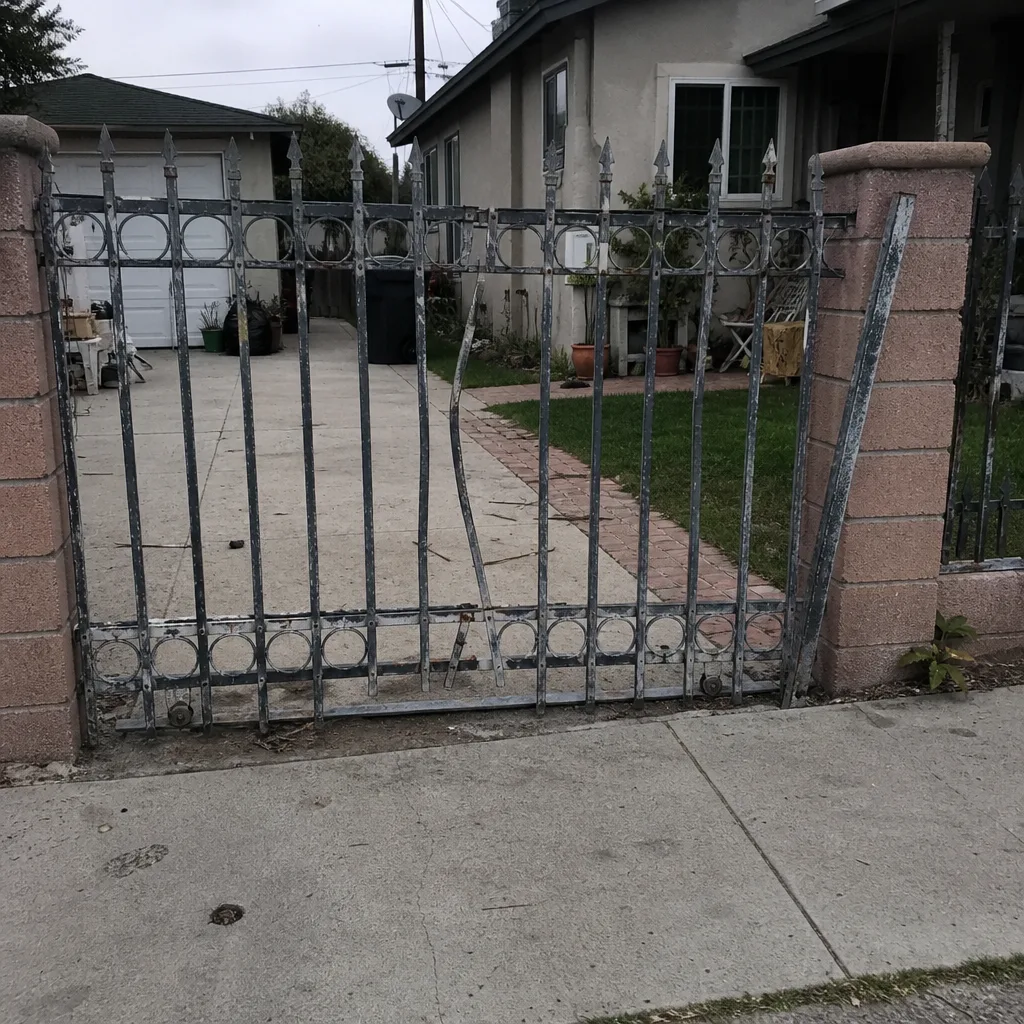 Before
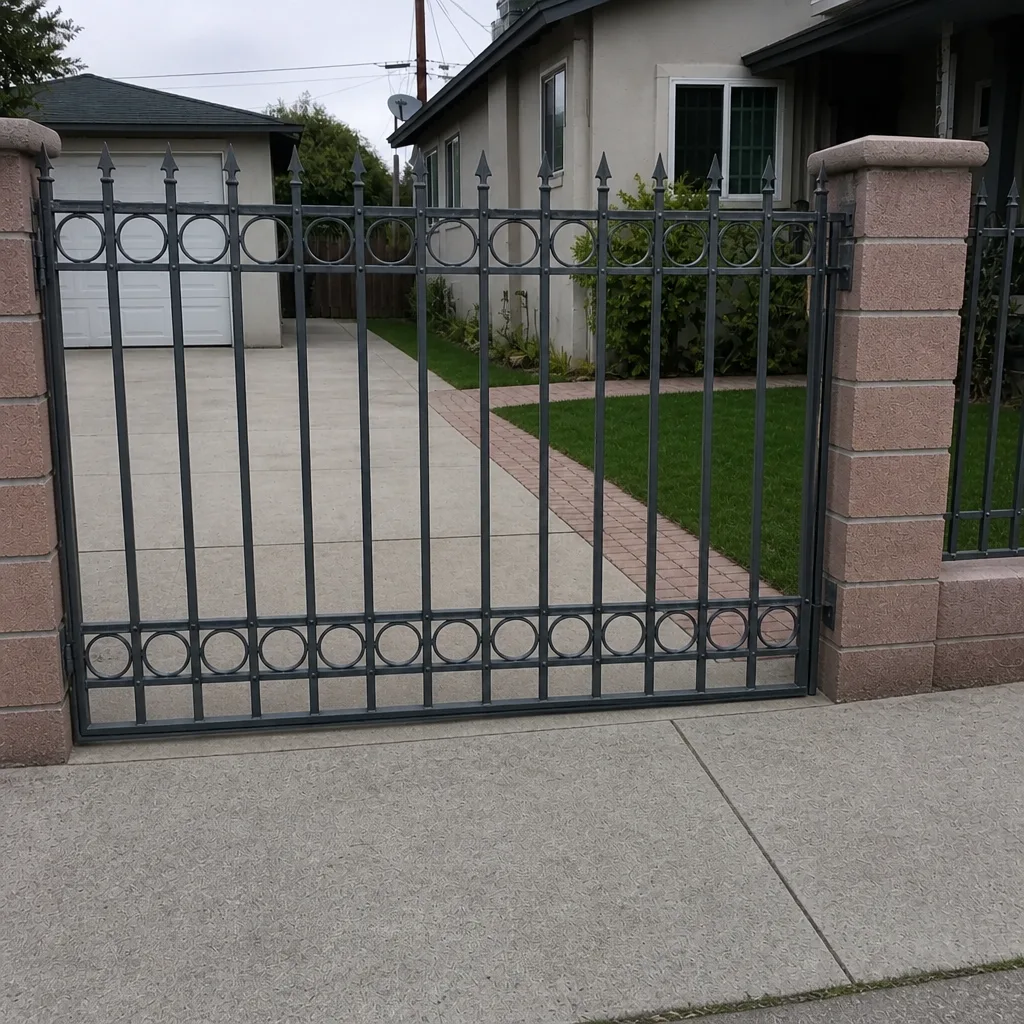 After
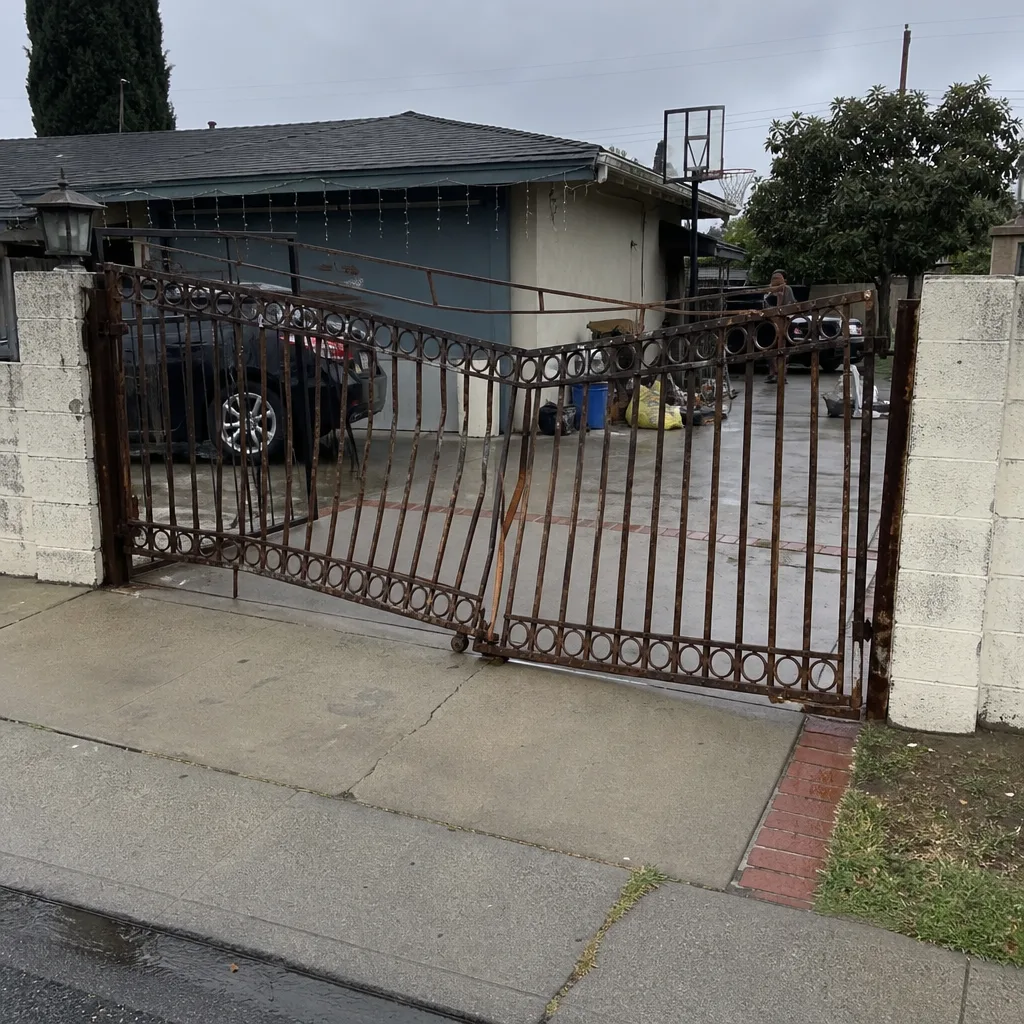 Before
 After
 Before
 After