
Last updated November 4, 2026
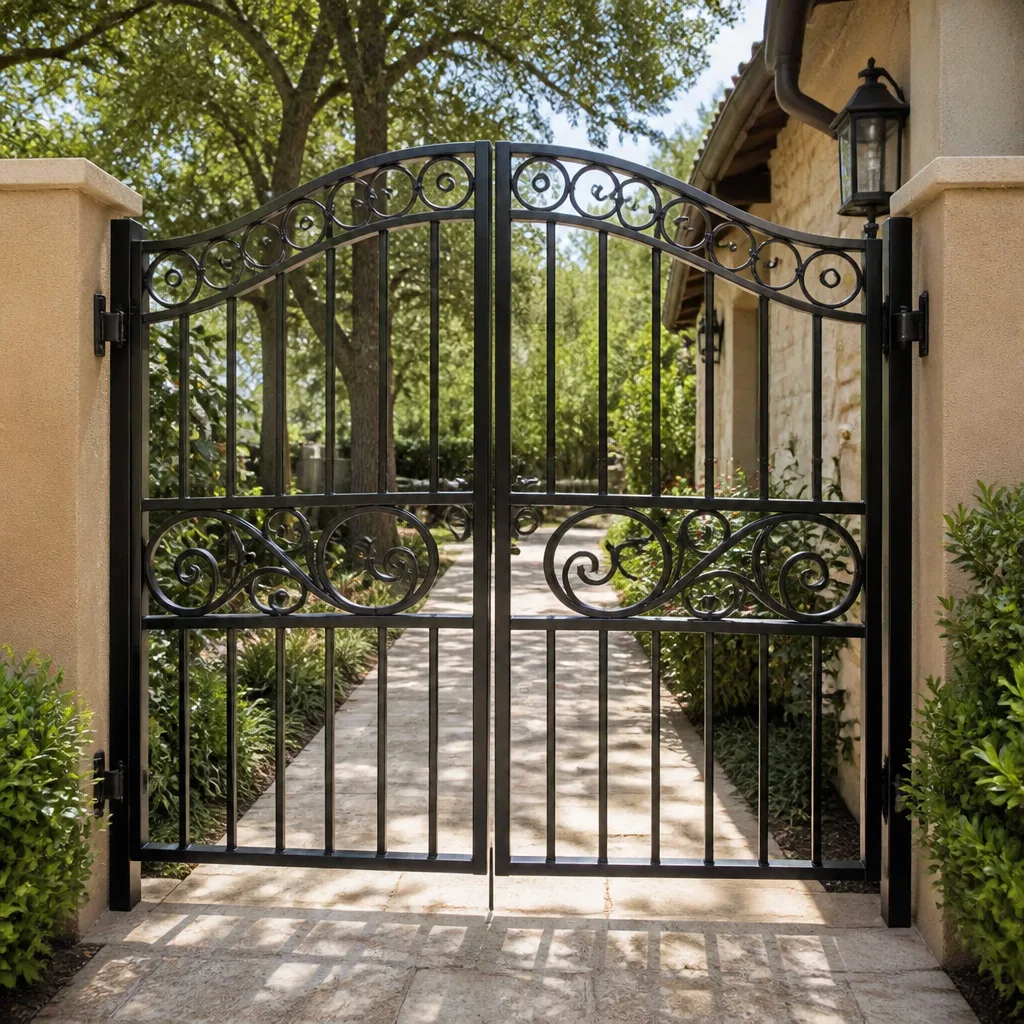 Wrought iron
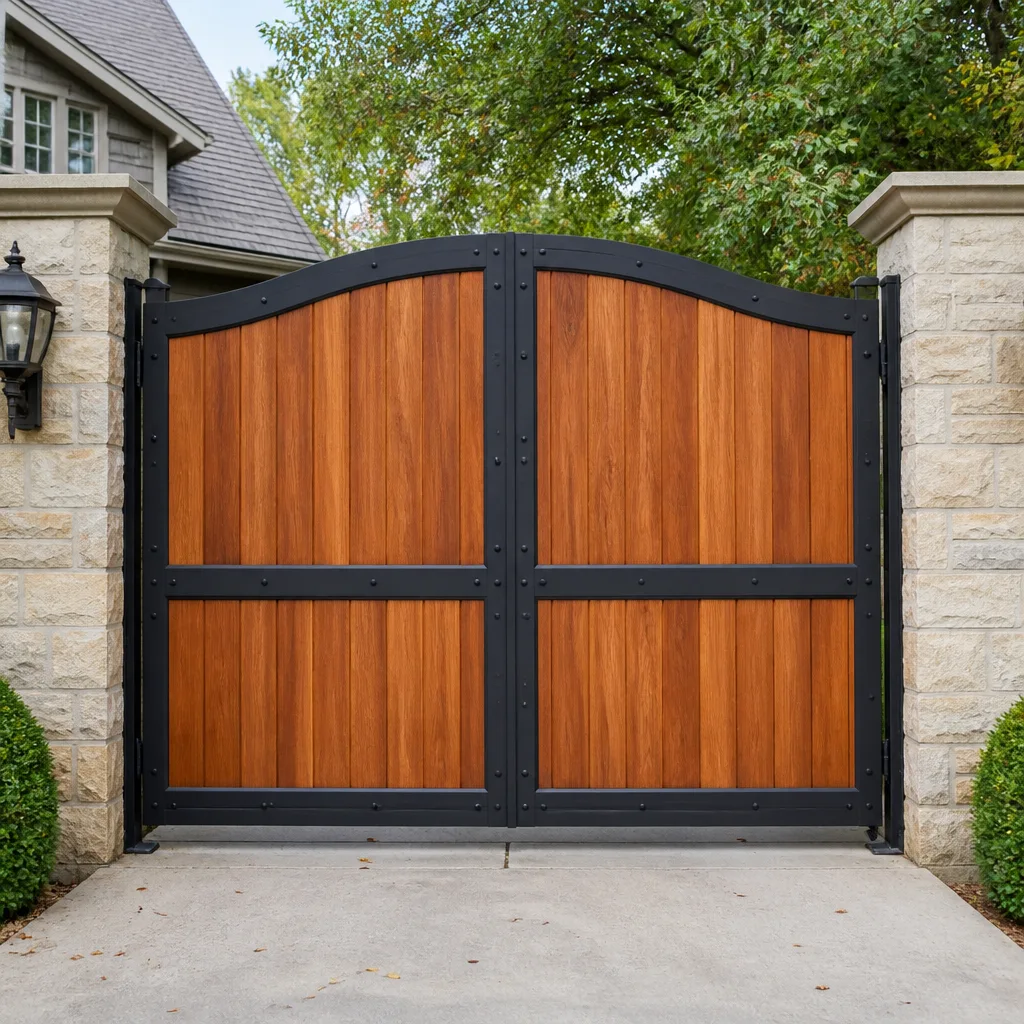 Wood & steel frame
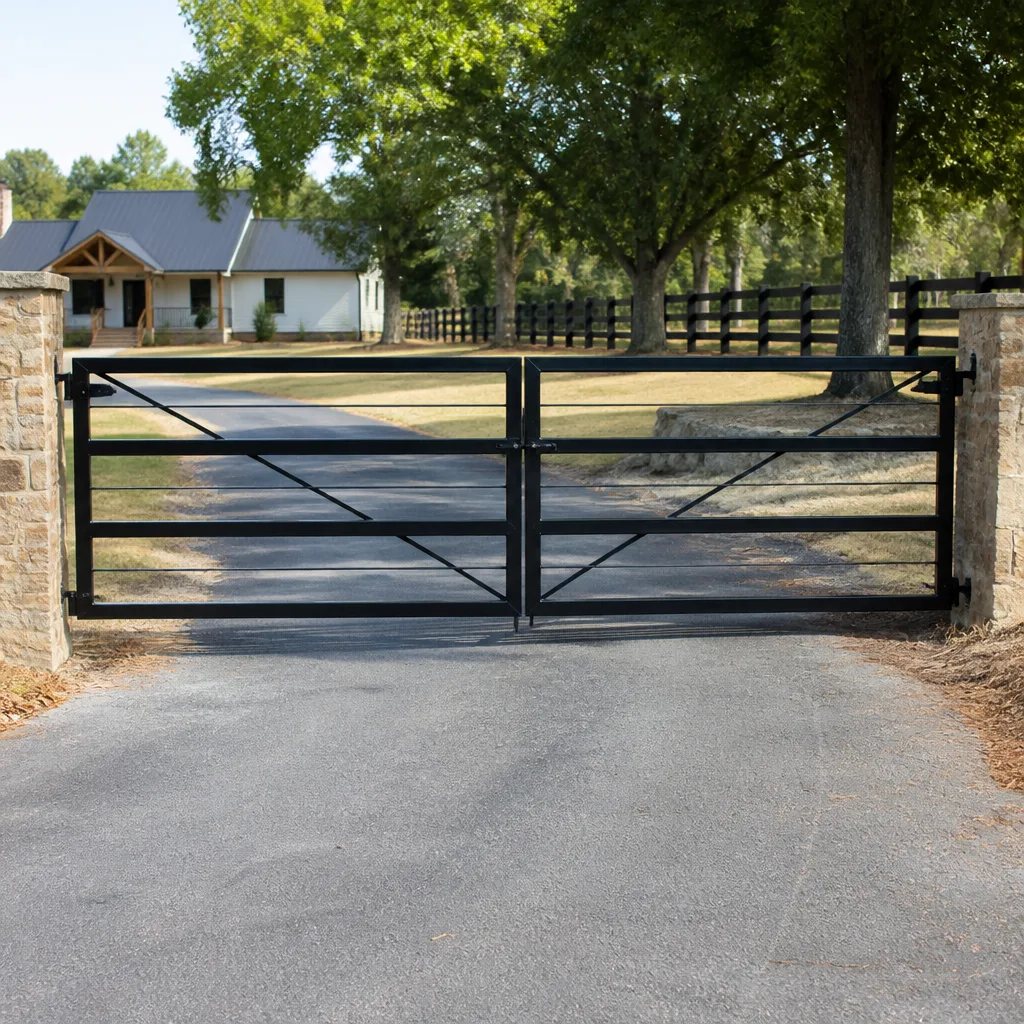 Farm & ranch
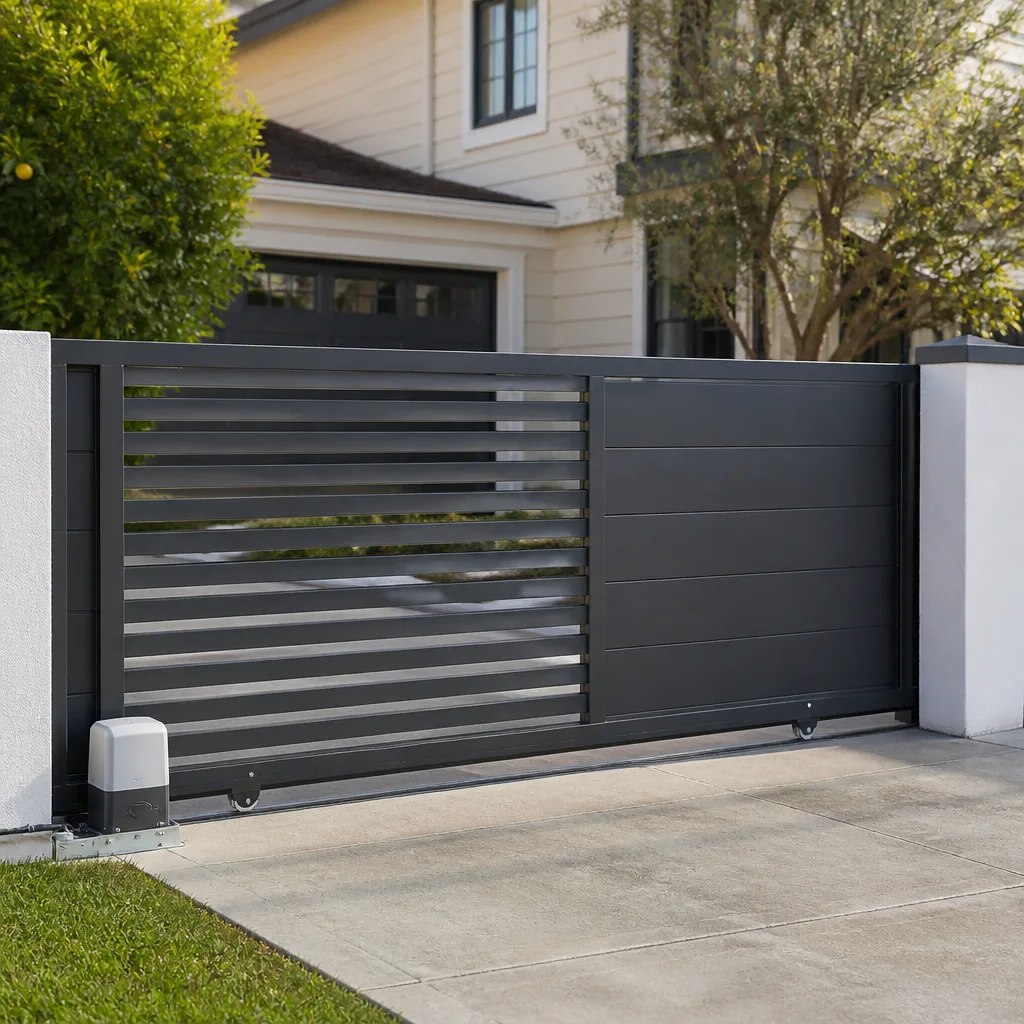 Sliding driveway gates
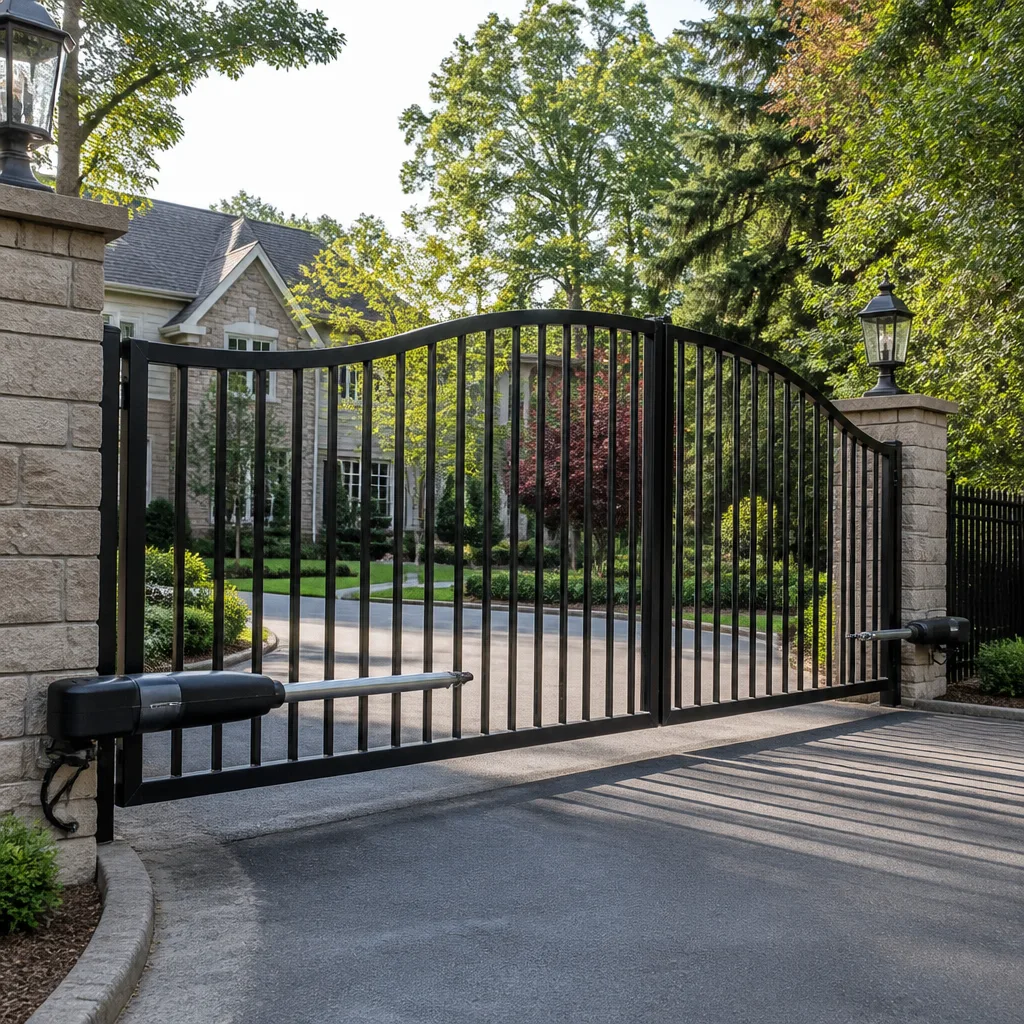 LiftMaster operators
Free on-site gate assessment - hinges, posts, and your LiftMaster or Nice gate operator checked before anything is quoted
The assessment is free and the quote is the invoice.
Get your free estimateGate Repair Warning Signs: A Westminster Homeowner’s Reference Guide
A gate that reverses after traveling six inches isn’t malfunctioning randomly. It’s responding to a specific sensor input. Knowing which one cuts the diagnostic call in half. Most Westminster homeowners treat gate problems as binary: it works or it doesn’t. The truth is subtler. Your gate system speaks in a precise language of grinds, hesitations, and LED flash sequences. Learn to read that language and you’ll know whether you’re facing a $200 board repair or a $2,000 operator replacement before the technician even arrives. This guide translates what your gate is trying to tell you.
Quick Answer
The most common gate repair warning signs in Westminster are: a gate that reverses mid-travel, grinding or squealing from the operator, a gate that moves slower than usual, LED error codes blinking on the control board, and a gate that won’t respond to remotes or keypads. Most of these signal a specific component failure, not a full system replacement. Calling early, while the gate still moves, typically means a repair measured in hundreds, not thousands. We answer 24/7. Fast dispatch, 7am-7pm, Sunday through Friday.
Styles & brands we work with
- Wrought iron
- Wood & steel frame
- Farm & ranch
- Sliding driveway gates
- LiftMaster operators
Table of Contents
- The Symptom-to-Cause Matrix: What Your Gate Is Telling You
- Brand-Specific Error Codes: LiftMaster, Viking, and Elite
- Mechanical Failure vs. Board Misconfiguration
- Warning Signs That Require Immediate Shutdown
- How to Document Symptoms Before You Call
- What Westminster’s Climate and Soil Do to Gate Systems
- Repair vs. Replace: Reading the Economic Signals
The Symptom-to-Cause Matrix: What Your Gate Is Telling You
Every gate failure announces itself before it becomes a hard breakdown. The trick is knowing which sound or behavior maps to which component. Here’s what we’ve learned from years of working on gate systems across Westminster.
Unusual Sounds
A gate that grinds when it opens usually points to worn drive gears or a failing motor bearing. If the grind is rhythmic, matching the gate’s travel speed, suspect the gear train. A high-pitched squeal during operation often means a dry or worn drive belt or chain. A single loud clunk when the gate stops suggests a loose mount or a failing limit switch.
Movement Anomalies
A gate that hesitates mid-travel, then continues, typically has an obstruction sensor reading incorrectly or a control board that’s misinterpreting input. A gate that creeps, moving slowly or not completing its full arc, usually points to low hydraulic fluid (on hydraulic operators) or dying capacitors on electromechanical units. A gate that reverses after traveling six inches is responding to a safety input: either the photo eye is blocked, the safety loop is detecting something, or the force sensor is set too sensitive.
Electrical Behaviors
A gate that opens but won’t close often means the safety loop is active or the close-force sensor has tripped. A gate that responds intermittently to remotes usually indicates a failing receiver board or antenna interference. A gate that trips its breaker suggests a short in the operator motor windings or a failing capacitor.
Here’s the practical decoding table we use on diagnostic calls:
- Grinding noise during travel: Worn drive gears or motor bearing
- Squeal during operation: Dry or worn belt or chain
- Single clunk at stop: Loose mount or failing limit switch
- Hesitation mid-travel: Obstruction sensor misread or board misconfiguration
- Slow or creeping travel: Low hydraulic fluid or failing capacitors
- Reverses after short travel: Active safety input (photo eye, loop, or force sensor)
- Opens but won’t close: Safety loop active or close-force sensor tripped
- Intermittent remote response: Failing receiver board or antenna issue
- Trips breaker: Motor winding short or failing capacitor
In Westminster, we see a fair share of Mighty Mule and Ghost Controls operators on residential driveway gates. Those units communicate through specific LED blink patterns on the control board. When a homeowner reads those blinks correctly, they often save a full diagnostic trip.
Brand-Specific Error Codes: LiftMaster, Viking, and Elite
One of the biggest advantages of working with nine documented brands, including LiftMaster, FAAC, BFT, Linear, Viking, Ghost Controls, DoorKing, Elite, and Mighty Mule, is that we know what each brand’s error language means. Not all gate companies can say that. Here’s what the most common error codes mean on three brands we see frequently in Westminster.
LiftMaster Gate Operators
LiftMaster uses diagnostic LED flash sequences. The learn button on the operator flashes a pattern that tells you what the board thinks is wrong. Two flashes typically indicate a wiring problem or a shorted accessory. The operator’s main status LED, when it blinks continuously, often signals a force reversal or a failed obstruction test. Any interruption in the safety circuit, whether the photo eyes or the edge sensor, will cause the gate to refuse to close.
Viking Operators
Viking operators are common on commercial and larger residential gates in Westminster. Their control boards use numbered diagnostic codes on a small display. A code indicating an obstruction on closing usually means the safety loop is detecting a vehicle or the force threshold was exceeded. A motor overload code typically means the gate is binding mechanically, the capacitor is weak, or the motor is drawing too much current.
Elite Operators
Elite gates use the “Elite 1” and “Elite 1.5” operator families. Their boards often show fault conditions through LED indicators rather than numeric displays. A flashing red LED on the main board often means an open safety input. Elite’s “auto close” behavior, where the gate starts to close then reverses, frequently traces back to an edge sensor or a loop detector that’s sending a false obstruction signal.
The takeaway: the LED sequence or code you see is a starting point, not a conclusion. The same code can have more than one cause. But reading the code correctly means the technician arrives knowing which subsystem to test first. That’s what brand-specific diagnostics gets you: faster root cause identification and correct parts on the first visit.
Mechanical Failure vs. Board Misconfiguration
The most expensive mistake in this trade is replacing a control board when the problem is mechanical, or vice versa. A gate that moves slowly could be a failing capacitor on the board, or it could be a drive chain that’s binding. A gate that won’t fully close could be a misconfigured close-limit setting, or it could be a wheel that’s off its track.
Here’s how to distinguish the two.
A mechanical failure tends to be progressive. The gate gets slower over weeks. The grind gets louder. The clunk at the end of travel gets harder. Something physical is wearing, and the symptoms escalate.
A board misconfiguration tends to appear suddenly or change behavior after a power interruption. The gate reverses at the same spot every time, even when nothing is in the way. The auto-close timer stopped working after a brownout. A board that’s lost its programming will behave inconsistently in ways that don’t match physical wear.
When we work on a gate repair in Westminster, we test the mechanical system first. It’s cheaper and faster to rule out physical causes. Then we test the board’s inputs and outputs. Only after both are confirmed do we replace a part. That sequence prevents the classic waste of a $400 board being swapped when a $40 limit switch was the real problem. In our experience, this discipline is what separates a dedicated gate specialist from a generalist reading a manual on-site.
Warning Signs That Require Immediate Shutdown
Some gate problems are annoyances that can wait for a scheduled service call. Others are safety hazards that require you to cut power to the operator immediately. Knowing the difference protects people and property.
Shut the gate down now if:
- The gate reverses unpredictably, especially if it reverses onto a person, a child, a pet, or a vehicle. An intermittent safety input could mean the gate doesn’t stop when it should.
- The gate jerks or slams at any point in its travel. This suggests a failing limit switch or a broken internal stop. The gate could overrun its normal arc.
- The operator is smoking, sparking, or smells like burning electrical insulation. This is a fire hazard. Cut power at the breaker.
- The gate is off its track or a wheel is visibly broken. A slide gate that comes off its track can fall. Do not attempt to move a heavy gate panel by hand.
- You hear a loud arcing or buzzing from the operator enclosure when the gate isn’t moving. A failing contactor or capacitor can overheat.
Signs that can usually wait for a scheduled call:
- A gate that moves slower than it used to but completes its full travel
- A remote that works intermittently from certain angles or distances
- A keypad button that requires a harder press than it once did
- A gate that creaks or squeals but still opens and closes reliably
Safety sensors on a gate exist for a reason. When they misbehave, a gate can close on a person or vehicle with far more force than most people realize. If you’re unsure which category your symptom falls into, err on the side of shutdown. Then call us. We answer 24/7. Fast dispatch, 7am-7pm, Sunday through Friday.
How to Document Symptoms Before You Call
The fastest, cheapest gate repair is the one where the technician arrives already knowing what to test. You can help make that happen by documenting what your gate is doing before you call. Here’s the method we recommend to Westminster homeowners.
Step 1: Capture video. Take a 20 to 30 second video of the gate doing the abnormal thing. Hold the phone steady. Capture the gate’s full travel from start to the moment the problem happens. If there’s a sound, make sure the video captures it clearly.
Step 2: Note the time and conditions. Write down when it happened, the outside temperature if relevant, and whether it was wet or dry. In Westminster’s mild, dry climate, heat-related failures are more common than cold-related ones, but documenting conditions helps either way.
Step 3: Check the breaker. Note whether the gate’s breaker is in the “on” position. A gate that trips its breaker is a different diagnostic path than a gate with power but no response.
Step 4: Look for obstructions. Walk the gate’s path. Look at the photo eyes. Check for debris in the track or on the gate wheels. Remove anything obvious, then test the gate again while filming.
Step 5: Record the operator brand and model. Look at the enclosure or the control board. The brand name and model number are usually printed on a label. Write them down. When you call, tell us “LiftMaster LA500” or “Elite SL3000” or whatever the label says. That alone saves real time.
The goal is simple: give the technician the information they need to bring the right parts on the first trip. A homeowner who calls and says “my gate makes a grinding noise on a Viking operator, and here’s a video” gets diagnosed faster than one who says “my gate is broken.”
What Westminster’s Climate and Soil Do to Gate Systems
Westminster sits inland in Orange County, far enough from the coast that marine corrosion isn’t a primary concern, and warm enough that cold-weather failures are rare. The real environmental factors here are heat, dust, and soil movement.
Summers in Westminster routinely push operators to their thermal limits. An operator that works fine in spring can start tripping its overload in August. The control board’s capacitors, which are sensitive to sustained heat, are often the first components to fail. If your gate acts up on a hot afternoon but works at night, that’s a capacitor or thermal overload issue.
Dust and fine particulate matter accumulate on limit switches, photo eyes, and circuit boards. In Westminster’s dry season, a dusty photo eye can read as blocked, causing the gate to reverse or refuse to close. A dusty limit switch can fail to signal the board, causing the gate to overrun its stop. Simple cleaning often restores function, and it’s part of any maintenance visit we do.
Soil movement in parts of Westminster affects gate posts and tracks. Expansive clay soil heaves with moisture changes. A gate that scrapes or binds in the dry season may sit level in the wet season. If you see new gaps between the gate and its post, or the gate no longer lines up with the latch, soil movement may be the cause. The repair is usually a track adjustment or post shim, not a full gate replacement.
For a dedicated electric gate repair in Westminster, these environmental factors are part of the diagnostic. A generalist might replace a board when the real problem was a dusty sensor. We look at the whole system in context.
Repair vs. Replace: Reading the Economic Signals
Not every gate failure means replacement. Here’s the decision framework we use, and it’s one any Westminster homeowner can apply.
Repair makes sense when:
- The gate and operator are under 10 years old and the frame is solid
- The failure is isolated to one component: a board, a capacitor, a limit switch, a drive gear
- The operator brand is one we work on: LiftMaster, FAAC, BFT, Linear, Viking, Ghost Controls, DoorKing, Elite, or Mighty Mule
- The gate itself is in good structural condition, with no rust through the frame or severe wheel wear
Replacement makes more sense when:
- The operator is over 12 to 15 years old and the brand has been discontinued
- The gate frame is rusted through or severely bent
- Multiple major components have failed at once
- The existing system doesn’t meet current safety requirements and would require reworking anyway
The crossover point is usually around 60 to 70 percent of replacement cost. If a repair will cost more than that, a new installation often makes more sense. We install gates as well as repair them, so our recommendation is based on the property and the system, not on what’s easiest for us.
A note on Westminster specifically: many homes here were built with gate systems that are now 15 to 20 years old. Those systems were often installed with operators that are no longer supported. When that’s the case, we’ll tell you honestly. You won’t get a repair-until-it-dies approach.
Common Mistakes to Avoid
- Ignoring a symptom because the gate still works. A grinding gate is telling you a gear is wearing. Wait too long and the gear fails completely, often taking the motor with it. The repair cost multiplies.
- Replacing batteries in every remote before checking the receiver. If all remotes fail at once, the problem is almost certainly the receiver board or the antenna, not three dead batteries.
- Adjusting the force setting to “fix” a reversing gate. Raising the force threshold may mask a binding gate or a failing sensor, but it also defeats the safety system. A gate that needs extra force is a gate that needs a repair.
- Hiring a generalist for a brand-specific problem. A handyman can replace a wheel. Diagnosing a Viking board code or a LiftMaster LED sequence is different work. It requires working with the actual components, not workarounds.
- Power cycling the operator repeatedly. If the gate trips once, resetting the breaker and trying again is fine. If it trips repeatedly, continuing to reset it can overheat the motor and turn a $100 capacitor job into a $600 motor replacement.
- Waiting until the gate stops working entirely. The moment of hard failure is the most inconvenient time to call. Lines are busier, and the problem is usually bigger. Call when you first hear the grind.
When to Call a Professional
Call a professional when the symptom involves the operator, the control board, the wiring, or any safety sensor. A gate that reverses unpredictably, trips its breaker, shows error codes, or grinds during travel is not a DIY fix. The wiring inside a gate operator carries line voltage. The panels are heavy. A slide gate off its track can fall. These are not risks worth taking to save a service call.
Call when the gate won’t open or close reliably, when you see sparks or smell burning, when the safety sensors are acting erratically, or when the gate has come off its track. For anything short of that, document the symptom and call anyway. Gate Repair Westminster offers free estimates in Westminster. Call (866) 569-6562. We answer 24/7. Fast dispatch, 7am-7pm, Sunday through Friday.
See the difference
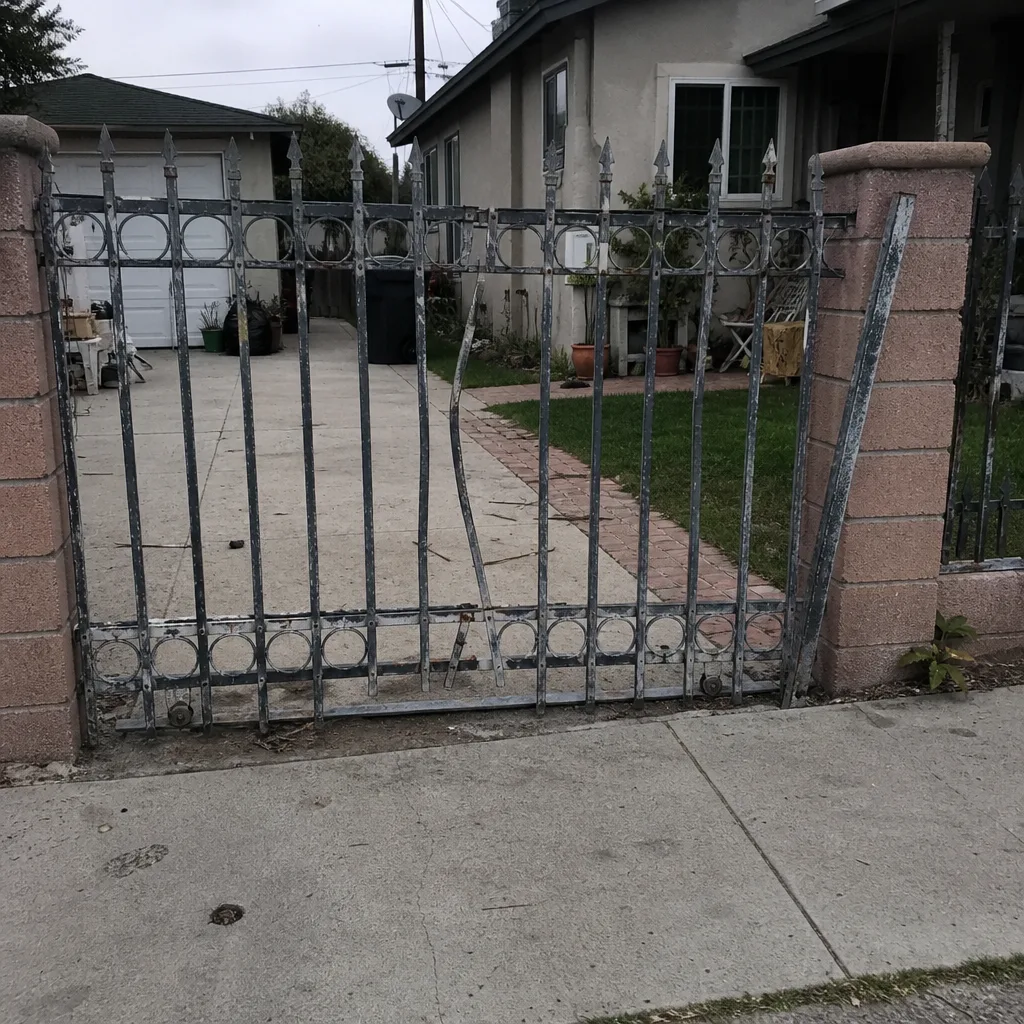 Before
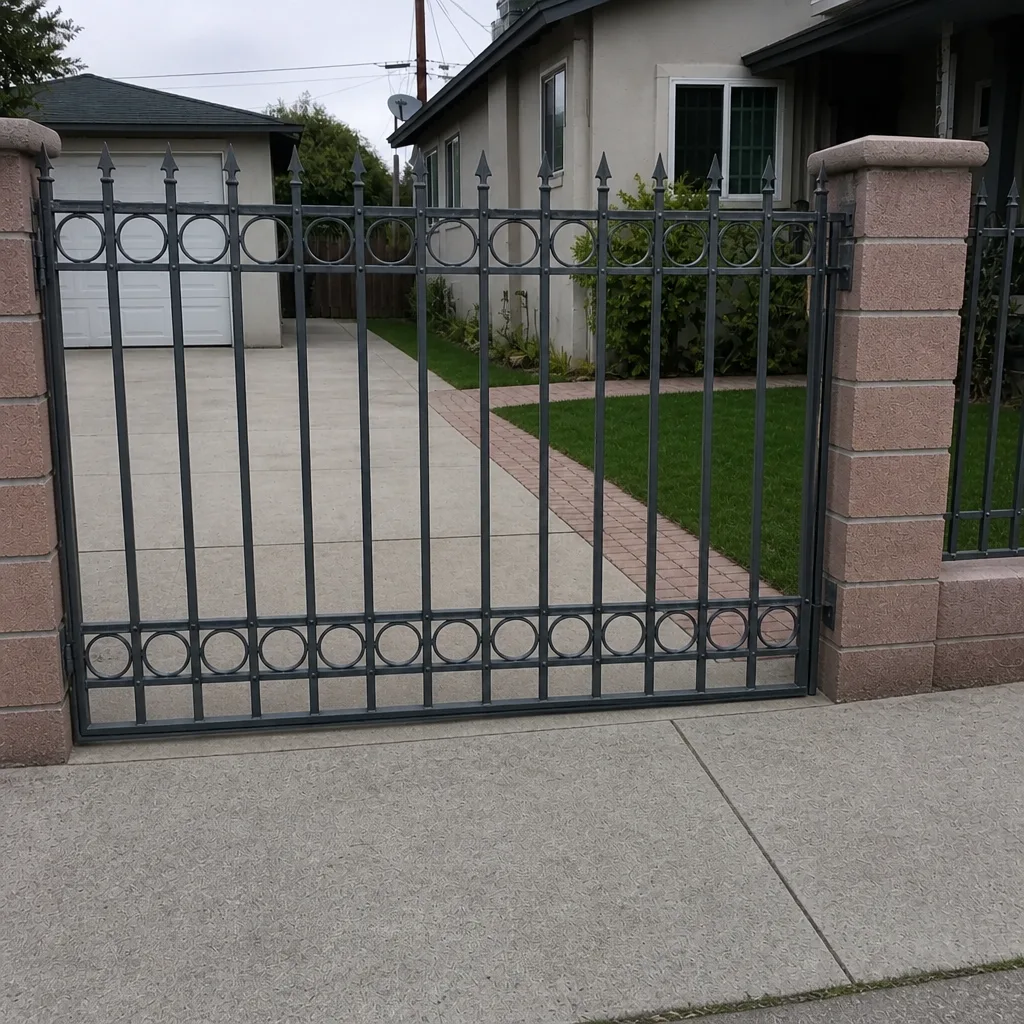 After
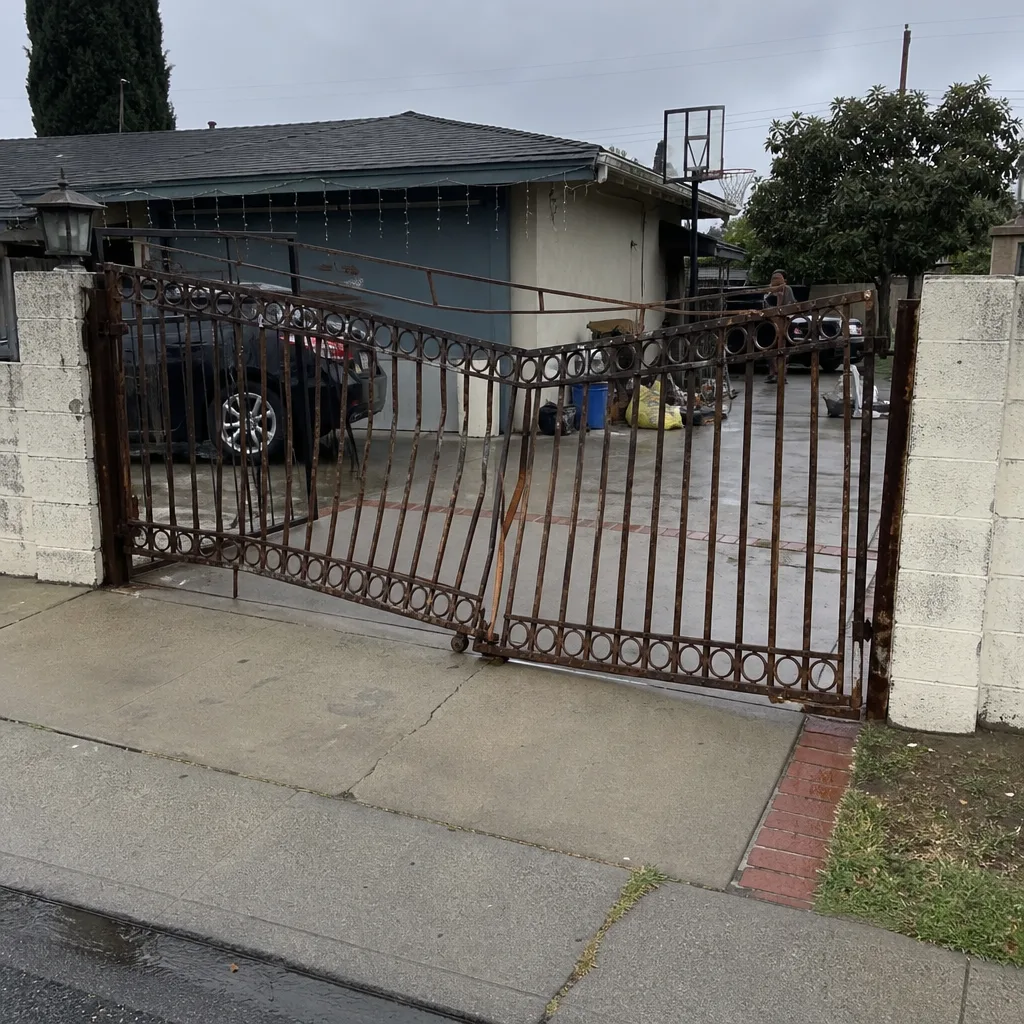 Before
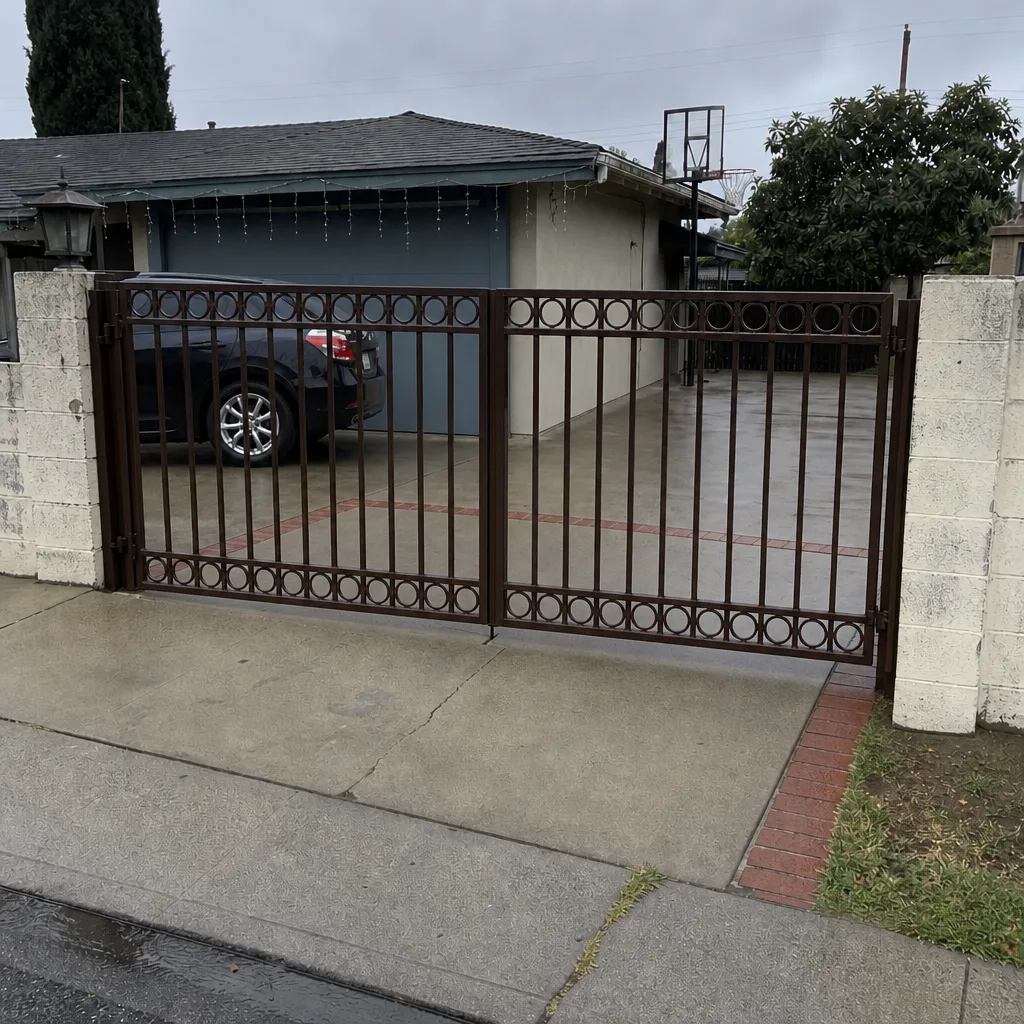 After
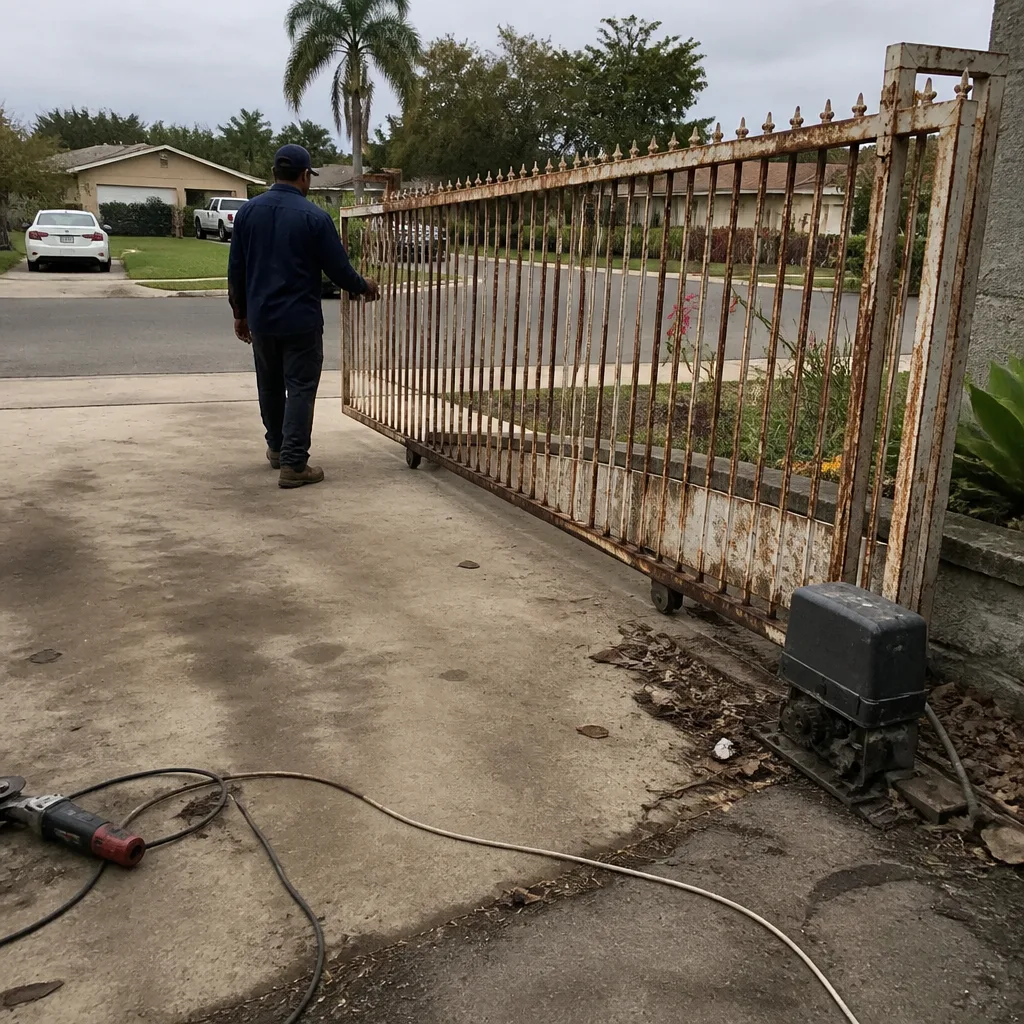 Before
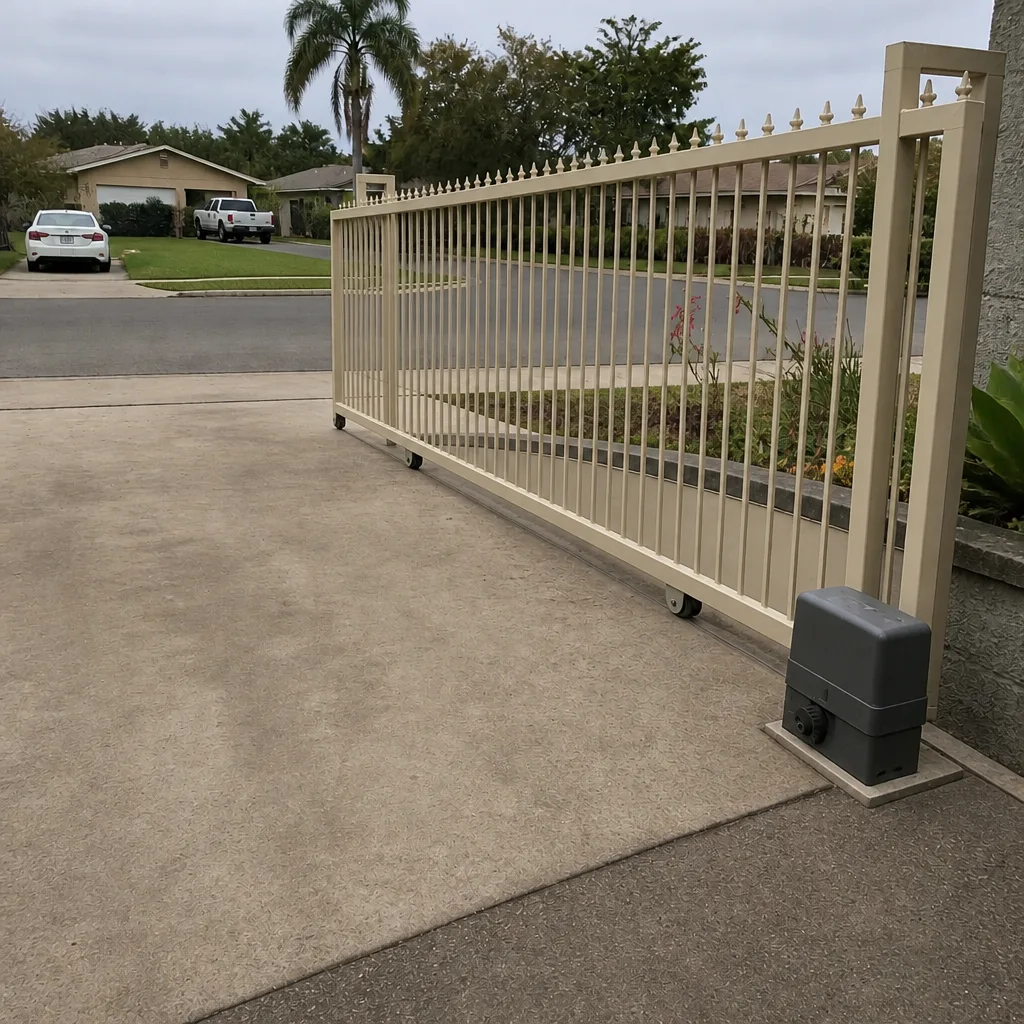 After
Frequently Asked Questions
The most common warning sign is a gate that reverses mid-travel or refuses to close fully. This usually points to an active safety input: a blocked photo eye, a dirty sensor, or a force sensor that’s reading too sensitively. It’s rarely a sign that the whole operator needs replacement. Call (866) 569-6562 for a free estimate.
Gate repair in Westminster typically ranges from $200 to $2,000 depending on the component. A limit switch or capacitor replacement runs on the lower end. A control board replacement runs higher. The only way to know for sure is an on-site estimate. The price is set per job by the written estimate, and the price is quoted and agreed before any work starts.
In many cases, yes. Fast dispatch from 7am to 7pm, Sunday through Friday, means most Westminster calls get a same-day visit when the parts are standard. A specialized board or a discontinued motor may take an extra day to source. Call (866) 569-6562 and describe the symptom. We answer 24/7.
A gate that opens but won’t close almost always has an active safety input on the close circuit. The most common causes are a blocked photo eye, a dirty sensor, a safety loop detecting something, or a misconfigured close-force setting. Check for obvious obstructions, then call for a diagnostic if the problem persists.
We work on nine documented brands: LiftMaster, FAAC, BFT, Linear, Viking, Ghost Controls, DoorKing, Elite, and Mighty Mule. If your operator is one of those, we can diagnose it by its error codes and component behavior, not by trial and error. If your brand is outside that list, we’ll tell you honestly before scheduling.
If the gate reverses unpredictably, jerks, sparks, smells like burning, or has come off its track, cut power at the breaker and leave it off until a technician arrives. If the problem is a slow gate, a squeal, or an intermittent remote, it’s usually safe to leave the system powered while you wait for service. When in doubt, shut it down.
The Bottom Line
Your gate speaks a specific language. A grind means a gear is wearing. A reversal means a sensor is talking. An LED flash means the board has something to say. Reading those signals correctly, and acting early, is the difference between a small repair and a full replacement. Westminster’s heat and dust add their own stresses, but most gate failures announce themselves with plenty of warning. Document what you see. Know your brand. Call a specialist who can diagnose by component, not by guesswork. Call (866) 569-6562 for a free estimate. We answer 24/7. Fast dispatch, 7am-7pm, Sunday through Friday.
Written by the team at Gate Repair Westminster, serving Westminster since 2011.