
Last updated November 4, 2026
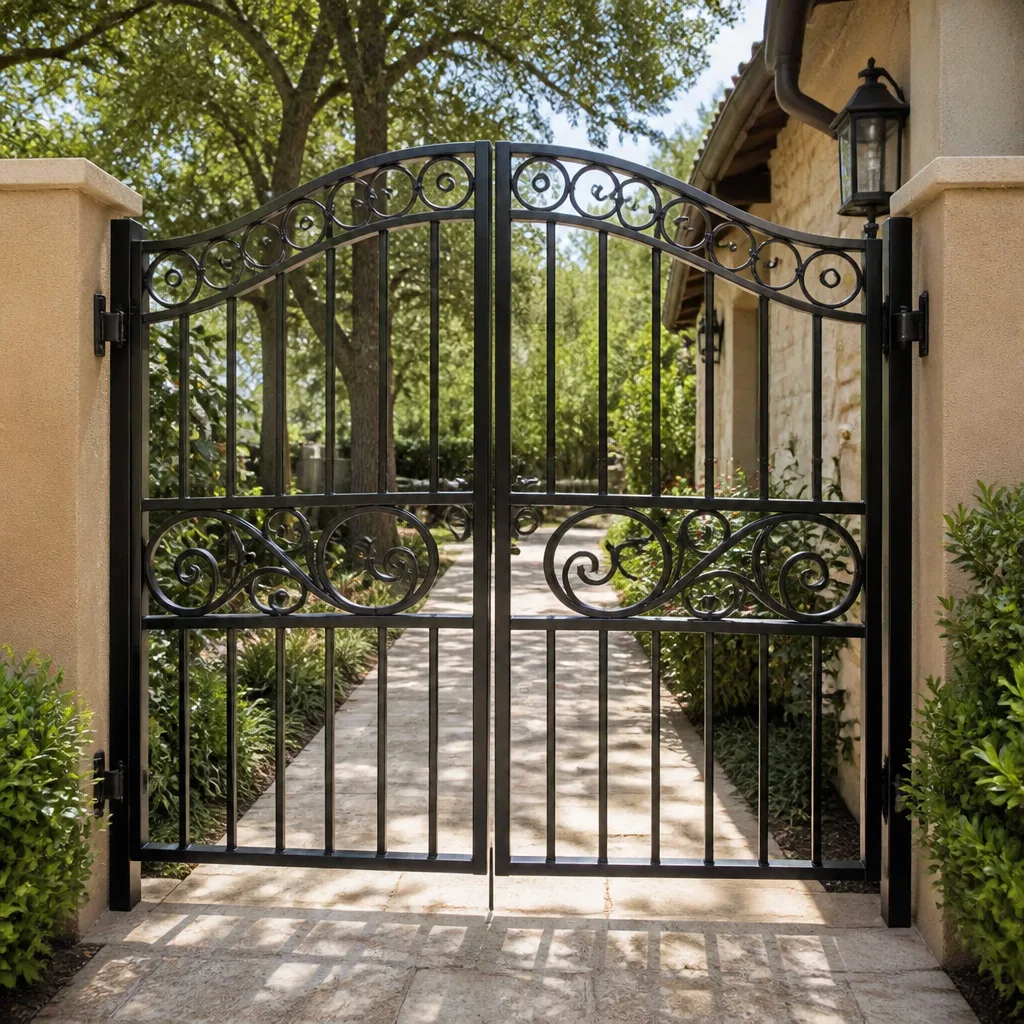 Wrought iron
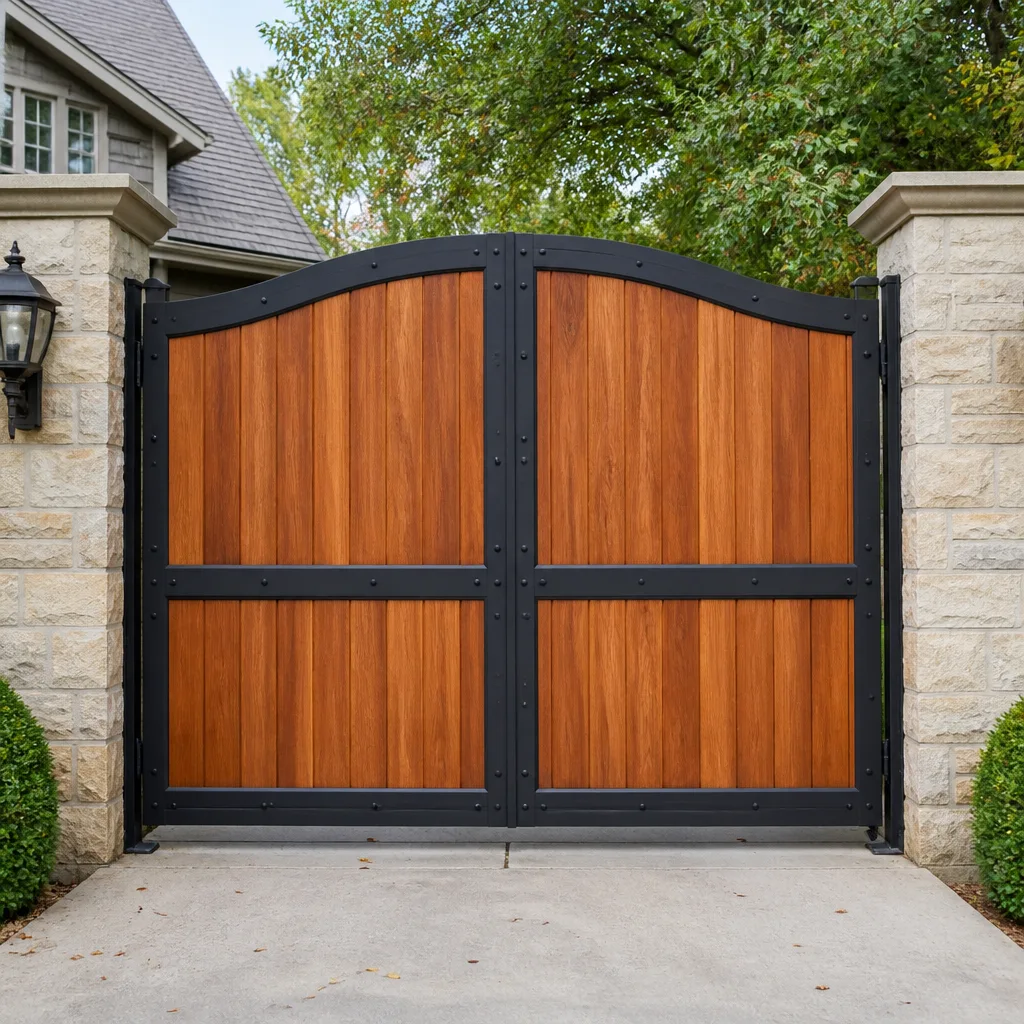 Wood & steel frame
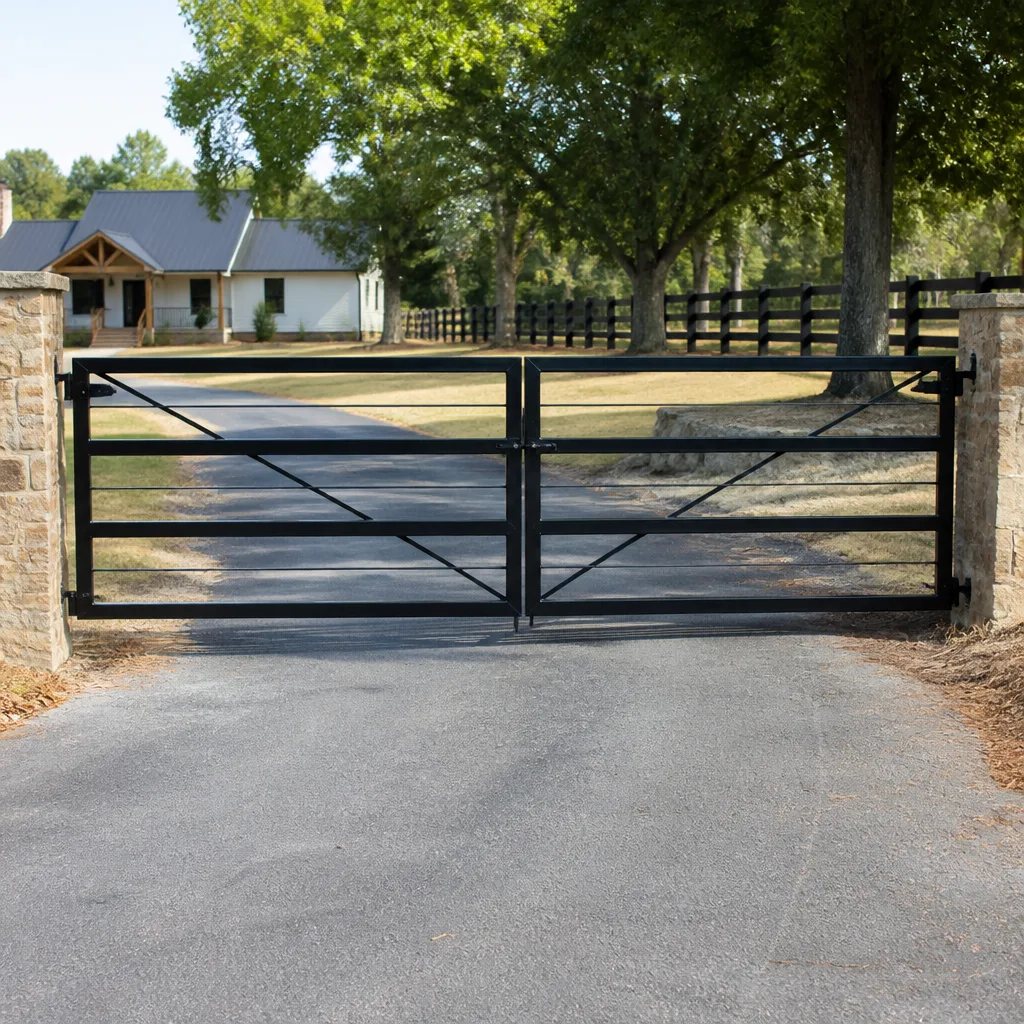 Farm & ranch
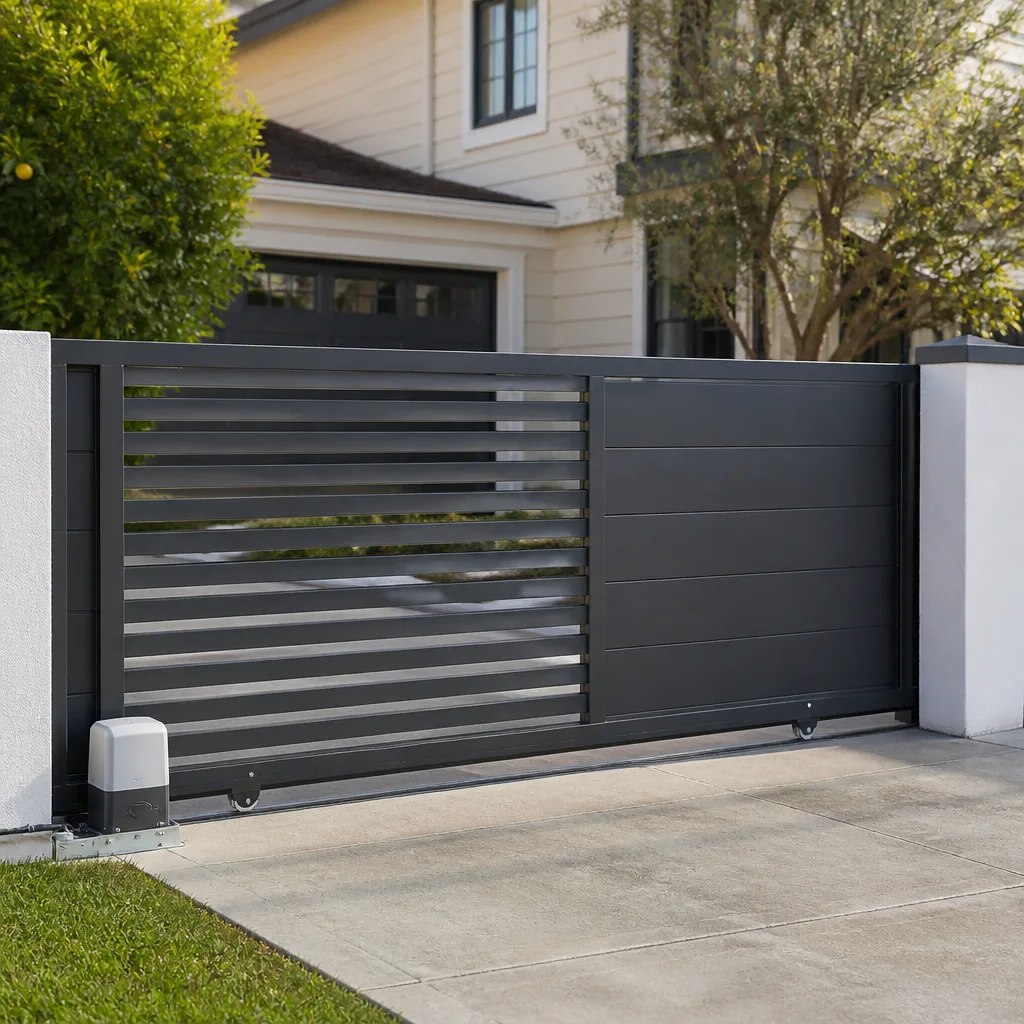 Sliding driveway gates
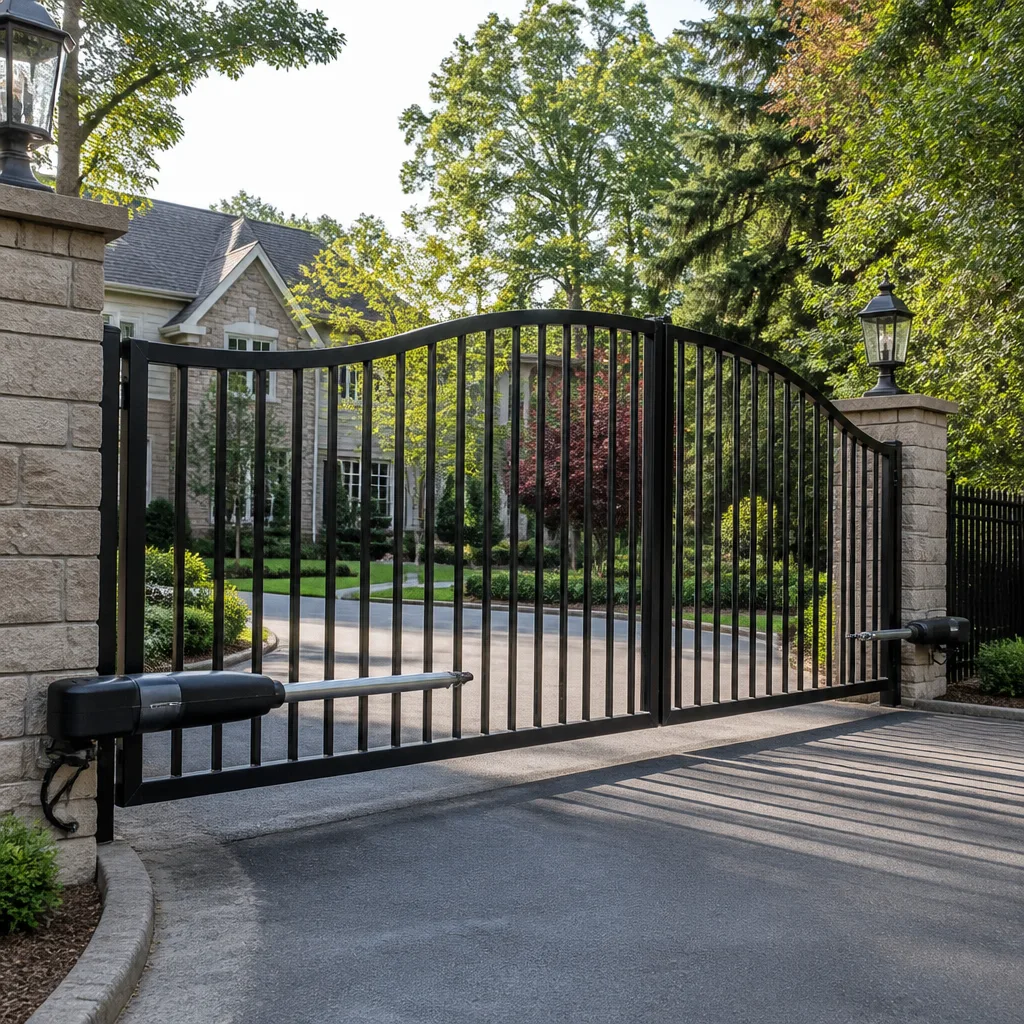 LiftMaster operators
Free on-site gate assessment - hinges, posts, and your LiftMaster or Nice gate operator checked before anything is quoted
The assessment is free and the quote is the invoice.
Get your free estimateThe Complete Guide to Gate Repair in Westminster
A gate that opens slowly isn’t “getting old.” It’s telling you exactly which component is failing, and ignoring that message costs two to five times more when the system finally quits. Most Westminster homeowners call us after the gate has already stopped moving, but the failure started weeks or months earlier with a hesitation, a grinding noise, or an operator that cycled twice before engaging. This guide walks through every major failure mode on manual and electric gates, how to diagnose whether the problem is mechanical or electrical, what repairs actually cost in this market, and when a specialist is the only sensible option. We’re a Westminster gate shop, so the examples, pricing, and failure patterns here reflect what we see on gates in our own service area every week.
Styles & brands we work with
- Wrought iron
- Wood & steel frame
- Farm & ranch
- Sliding driveway gates
- LiftMaster operators
Quick Answer
Gate repair in Westminster typically costs $150 – $500 for mechanical fixes on manual gates and $250 – $800 for electric gate issues involving operators, control boards, or safety sensors, with full operator replacements running $1,200 – $3,500 depending on the brand. The most common failures we see are dead control boards from irrigation overspray, misaligned safety loops that cause phantom reversals, and worn drive gears in operators that have never been serviced. Call (866) 569-6562 for a free estimate and a written price before any work begins.
Table of Contents
- Mechanical vs. Electrical: How to Diagnose Your Gate Problem
- The Most Common Gate Failures in Westminster
- Brand-Specific Failure Patterns Every Homeowner Should Know
- Westminster’s Salt Air and Irrigation Problem
- Why a Gate That Reverses Is a Legal Liability
- What Gate Repair Actually Costs in Westminster
- Maintenance That Prevents Expensive Repairs
- Common Mistakes to Avoid
- When to Call a Professional
- Frequently Asked Questions
- The Bottom Line
Mechanical vs. Electrical: How to Diagnose Your Gate Problem
Before calling any gate repair company, it helps to know which half of the system is failing. Gate systems have two distinct sides: the mechanical side (the gate panel, hinges, wheels, track, and drive chain or belt) and the electrical side (the operator motor, control board, safety sensors, keypad, and remote receiver). The symptoms of each are different, and diagnosing them correctly determines whether you’re paying for a $200 hinge repair or an $800 board replacement.
Mechanical problems typically announce themselves with physical symptoms. You’ll hear grinding, scraping, or clicking. The gate will sag, stick at one point, or require manual force to move. The motor will strain, overheat, or trip its internal limiter. These problems are usually caused by worn hinges, debris in the track, a bent wheel, or a gate that has settled out of square. In Westminster, where most driveways are flat concrete slabs, settling is less common than physical impact damage from vehicles or wind stress on wide panels.
Electrical problems are different. The gate won’t respond to the remote, the keypad goes dead, or the operator hums without engaging. The gate opens but won’t close, or closes and immediately reverses for no visible reason. The control board may show error codes, or the system may behave inconsistently: working in the morning, failing in the afternoon, then working again the next day. These intermittent failures are the hardest to diagnose without brand-specific experience, because the problem often lives in a single relay, capacitor, or solder joint on the circuit board.
- Look at what’s moving. If the gate physically moves but makes noise or struggles, start with the mechanical side. If the gate doesn’t move at all or moves erratically, look at the electrical side.
- Check the operator’s behavior. Does it hum? Click? Show a light? These are diagnostic clues. A click with no movement usually means the capacitor or start relay is dead.
- Test the remote and keypad separately. If both fail, the problem is in the receiver or board, not the handheld unit.
- Watch the safety sensors. If the gate reverses immediately, the photo eye or loop detector is likely triggering falsely.
When you call us for electric gate repair, we ask these diagnostic questions before dispatching a technician, because the answers determine which parts go on the truck. That means the first visit is more likely to end with a working gate, not a parts order.
The Most Common Gate Failures in Westminster
Every city has its own pattern of gate failures based on climate, housing stock, and water use. Westminster’s pattern is distinctive: we see more corrosion-related electrical failures than inland cities, and more water-ingress damage to control boards than almost anywhere else in Orange County. Here are the failures we see most often.
1. Dead Control Boards from Water Ingress
The single most common call we get for electric gates in Westminster is a dead or erratic control board caused by moisture. Westminster’s irrigation systems are extensive and run frequently, and many gate operators are mounted on posts adjacent to lawn sprinklers. Water that hits the operator housing eventually finds its way inside through cable conduits or vent holes. Once moisture reaches the circuit board, corrosion starts, and the board either dies outright or begins misbehaving in ways that are hard to reproduce.
2. Worn Drive Gears and Chains
Electric gate operators use a geared drive system that converts motor rotation into gate movement. Those gears are typically nylon or plastic on residential operators, and they wear down over time. The symptom is a gate that moves slower than it used to, makes a ticking or grinding sound, or opens partway and stops. Once the gears strip completely, the motor spins but the gate doesn’t move. This is a repair we do weekly, and it’s usually a better investment than replacing the operator when the operator’s brain is still good.
3. Phantom Reversals from Faulty Safety Loops
Safety loops are wire coils buried in the driveway that detect vehicle presence. When they malfunction, the gate reverses for no apparent reason or refuses to close while a car sits on the loop. In Westminster, loop failures are often caused by cracked concrete or asphalt allowing moisture into the loop wire. We’ve also seen loops cut by resurfacing projects and replaced incorrectly by paving contractors.
4. Misaligned Gates and Binding Hinges
Manual gates and the mechanical side of electric gates both suffer from hinge wear and panel misalignment. A gate that sags puts stress on every hinge, the latch, and the operator motor. Left unaddressed, a misaligned gate can strip the operator’s gears or crack the panel welds.
5. Battery Backup Failures
Electric gates often have a battery backup for power outages. Those batteries last three to five years and fail quietly. When the power goes out, the gate won’t work, and the homeowner discovers the dead battery at the worst possible moment. In Westminster, where power outages are rare but not unheard of during Santa Ana wind events, a dead back-up battery is a common but avoidable failure.
Brand-Specific Failure Patterns Every Homeowner Should Know
One advantage of working with a gate-only shop is brand familiarity. General handymen see a gate once a month; we see dozens every week, and that volume creates pattern recognition. We work on equipment from Linear, Viking, Ghost Controls, and DoorKing, among others, and each has its own personality when it fails.
Linear
Linear operators are common in Westminster residential installations. They’re reliable mechanically, but the control boards are sensitive to power surges. We’ve seen multiple Linear boards that died after a transformer or power supply issue, and the failure often presents as a completely dead operator with no LED indicators lit. If your Linear gate is completely unresponsive, the board is the first suspect, not the motor.
Viking
Viking makes robust slide gate operators that are popular on larger properties and light commercial applications. Their mechanical drive systems are built to last, but the limit switch assemblies need periodic adjustment, especially after the gate has been hit or the track has shifted. A Viking gate that slams at the end of travel or stops short has a limit switch problem, and it’s a straightforward fix before the wear becomes permanent.
Ghost Controls
Ghost Controls specializes in automatic gate openers designed for retrofits, and they’re common on Westminster homes because they install cleanly on existing manual gates. They’re user-friendly, but the control boards are easy to misconfigure, and we’ve seen systems where the auto-close timer was set incorrectly, creating a safety issue. Ghost Controls boards are also sensitive to low voltage, so a weak battery or a loose connection can cause erratic behavior.
DoorKing
DoorKing is one of the most common brands in Orange County. Their slide and swing gate operators are workhorses that run for years, but the relay contacts and solder joints on older boards eventually fatigue. A DoorKing gate that works intermittently, especially when it’s warm, often has a solder joint problem on the main relay. It’s a repair that requires board-level work, and it’s exactly the kind of fix a generalist won’t attempt.
Westminster’s Salt Air and Irrigation Problem
Westminster sits close enough to the coast that the air carries a persistent salt load, even though most residents don’t think of the city as coastal. That salt settles on metal surfaces and accelerates corrosion on gate hinges, welding points, and electrical connections. It’s not as aggressive as a beachfront property, but over the course of five to ten years, it takes a measurable toll on hardware that would survive much longer inland.
Compounding the salt exposure is Westminster’s irrigation pattern. This city has extensive residential and commercial landscaping, and most of it is watered by sprinklers that run frequently. When a sprinkler head is misaligned and sprays a gate operator housing or a control box, the result is direct water ingress, and over just a few months, that moisture causes corrosion on circuit boards and terminal blocks that no inland gate would ever face.
What does this mean for your gate? It means the maintenance intervals that manufacturers recommend for generic installations are often too long for this specific environment. A gate operator that would run fine for fifteen years in Phoenix may need a board replacement in eight years in Westminster because of moisture and corrosion. We see this pattern consistently, and it’s one reason we recommend an annual inspection for electric gates in this city, particularly those with operators mounted in areas where sprinklers reach.
Why a Gate That Reverses Is a Legal Liability
A gate that suddenly reverses for no reason feels like a nuisance. Under California premises liability law, it’s a liability problem. Electric gates are governed by ASTM F2200, which sets the safety standard for automated vehicular gates, and California law requires gates to comply with entrapment protection requirements. A gate that reverses unexpectedly, closes on a vehicle, or fails to stop when obstructed may be non-compliant, and if it injures someone, the property owner carries the liability.
Here’s the pattern we see: a homeowner notices the gate reversing occasionally and decides to live with it. Six months later, the gate closes on a car, or worse, on a person. By then, the root cause is usually worse than it was when the symptom first appeared. A faulty safety loop that costs $200 to repair becomes a $1,500 operator replacement after the gate repeatedly slams and damages the drive system.
The practical takeaway: if your gate is reversing, hesitating, or closing when it shouldn’t, treat it as a safety problem, not a convenience issue. The fix is almost always cheaper today than it will be after the system damages itself or someone gets hurt. This is one of the areas where a Gate Repair Westminster specialist can identify whether the problem is in the loop detector, the photo eye, the force settings, or the control board, and fix the right component the first time.
What Gate Repair Actually Costs in Westminster
Pricing transparency matters to every homeowner, so here’s a realistic breakdown of what gate repairs cost in Westminster. These are typical ranges based on the jobs we see regularly, not exact quotes. The written estimate after a site visit sets the final price, and it’s always agreed before any work begins.
Typical Gate Repair Pricing in Westminster
- Manual gate hinge repair or replacement: $150 – $350, depending on the number of hinges and the weight of the panel
- Track or wheel repair on a slide gate: $200 – $500, including adjustment and alignment
- Safety loop replacement: $250 – $600, including cutting the concrete and installing a new loop
- Control board replacement: $300 – $800, depending on the brand and whether programming is required
- DoorKing, Viking, or Linear board repair: $150 – $400, when the board can be repaired rather than replaced
- Drive gear replacement: $200 – $450 for residential operators, including labor
- Remote keypad or receiver replacement: $100 – $300, depending on the system
- Full operator replacement: $1,200 – $3,500, including the operator, installation, and programming
These ranges reflect what we charge and what we see from other reputable gate specialists in Westminster. The biggest variable is the operator brand, because parts availability and board prices vary significantly between manufacturers. Ghost Controls and DoorKing parts are widely available and competitively priced. Some Viking parts are pricier but built for heavier workloads.
The price you’re quoted and the price you pay are the same number. That’s not a marketing claim. It’s how we work, and it’s one of the reasons homeowners call us after a bad experience with a company that quoted one price and billed another.
Maintenance That Prevents Expensive Repairs
A gate is a mechanical system, and mechanical systems have wear points. The maintenance that prevents expensive repairs is not complicated, but it has to be done consistently. Here’s what actually matters.
- Check the operator housing for water intrusion every few months. Look for condensation, water stains, or rust on the control board terminals. If you see moisture, cap the cable conduit entries and verify that your sprinklers aren’t hitting the unit.
- Lubricate hinges and drive chains annually. Use a dry lubricant on wheels and rollers, and a light chain lubricant on chain-drive systems. Avoid spraying lubricant on the operator electronics.
- Test the safety reversal system monthly. Place a traffic cone or similar object in the gate’s path and close the gate. It should reverse before contact. If it doesn’t, call a specialist.
- Inspect the gate panel for signs of sagging. Stand back and look at the top edge. If one end is visibly lower, the hinges are wearing and the gate needs realignment before the stress breaks a weld.
- Check that the operator is grounded properly. A gate operator that loses its ground connection is vulnerable to lightning damage and power surges. This is especially important in Westminster, where a surprising number of system failures we see trace back to marginal grounding at the service panel.
Most of this takes ten minutes a month. The payoff is a gate that runs for years without a catastrophic failure and a service history that makes any future repair faster to diagnose.
Common Mistakes to Avoid
- Ignoring a slow or noisy gate. A gate that’s slower than it used to be is wearing out. The fix costs less today than it will after the drive system fails completely.
- Replacing a remote before checking the receiver. We see homeowners buy new remotes when the problem is actually the receiver in the operator. Test the receiver before replacing the handheld.
- Using the manual release without understanding the system. Disengaging a gate operator without controlling the panel can cause it to swing or slide uncontrolled, which is dangerous and can damage the drive system.
- Buying parts based on price rather than compatibility. A generic control board that isn’t designed for your operator will fail faster and may create safety issues. Use the brand’s parts.
- Treating a gate that reverses as normal. As covered above, this is a safety problem, not a quirk. Get it checked before someone gets hurt.
- Forgetting to replace backup batteries. Batteries die on their own schedule, and you only find out when the power goes out. Replace them every three to five years.
When to Call a Professional
Some gate repairs are straightforward and can be handled by a capable homeowner. Most electric gate issues are not. If your gate won’t respond to any input, your control board shows error codes, or your gate is moving unpredictably, call a specialist. The same applies to any repair that involves the drive system or the safety sensors: these are systems that can cause serious injury if they’re repaired incorrectly. Gate Repair Westminster offers free estimates in Westminster – call (866) 569-6562. We answer 24/7. Fast dispatch from 7am to 7pm, Sunday through Friday.
Frequently Asked Questions
Gate repair in Westminster typically costs between $150 and $800 for most mechanical and electrical repairs, with full operator replacements running $1,200 to $3,500. The exact price depends on the brand, the part, and the labor involved, and it’s quoted in writing before any work begins. Call (866) 569-6562 for a free estimate.
We answer 24/7. Fast dispatch from 7am to 7pm, Sunday through Friday, so a call before the end of the dispatch window can usually get a technician to your Westminster property the same day for urgent repairs. Call (866) 569-6562 and we’ll tell you what’s available.
A full installation includes removing the old gate if needed, setting or verifying the posts, hanging the gate panel, installing the operator, running the power line, and setting up the safety loops, photo eyes, and remotes. The price is set by a written estimate after a free site visit, and the scope is agreed before work starts.
A gate that reverses for no reason is usually responding to a false trigger from the safety loop or photo eye, often caused by a cracked loop wire, a misaligned sensor, or moisture in the control board. It’s a safety issue that should be addressed immediately, because a gate that closes unexpectedly is a liability under California law.
Most residential gate operators last 10 to 15 years before the drive system or the control board fails, but Westminster’s salt air and irrigation overspray can shorten that lifespan to 8 to 12 years for operators mounted in exposed positions. Regular maintenance and a dry mounting location both extend the service life.
Yes, we work on Linear, Viking, Ghost Controls, and DoorKing systems specifically, along with five other major gate brands. That brand-specific experience means we diagnose the real problem faster and arrive with the right parts more often than a generalist.
The Bottom Line
Gate repair in Westminster is a specialized trade, not a side job for a handyman. The city’s salt air and irrigation patterns create failure modes that differ from inland areas, and the brands installed here each have their own weak points. The good news is that most gate failures are predictable, and the cheapest fix is the one done before the system damages itself. If your gate is acting up, call us for a free estimate and a written price. We’re a gate-only shop serving Westminster since 2011, and we’ve seen this city’s gates fail in every way a gate can fail.
Written by the team at Gate Repair Westminster, serving Westminster since 2011.
See the difference
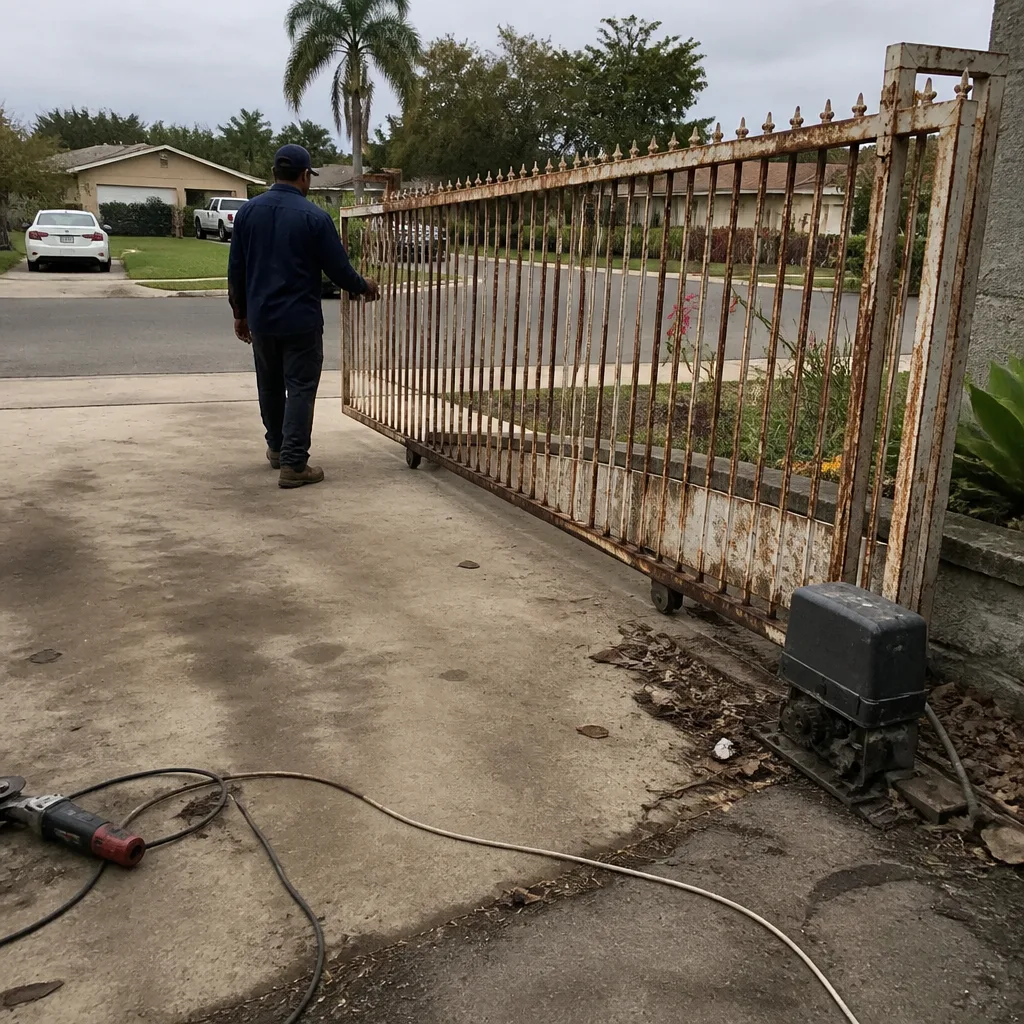
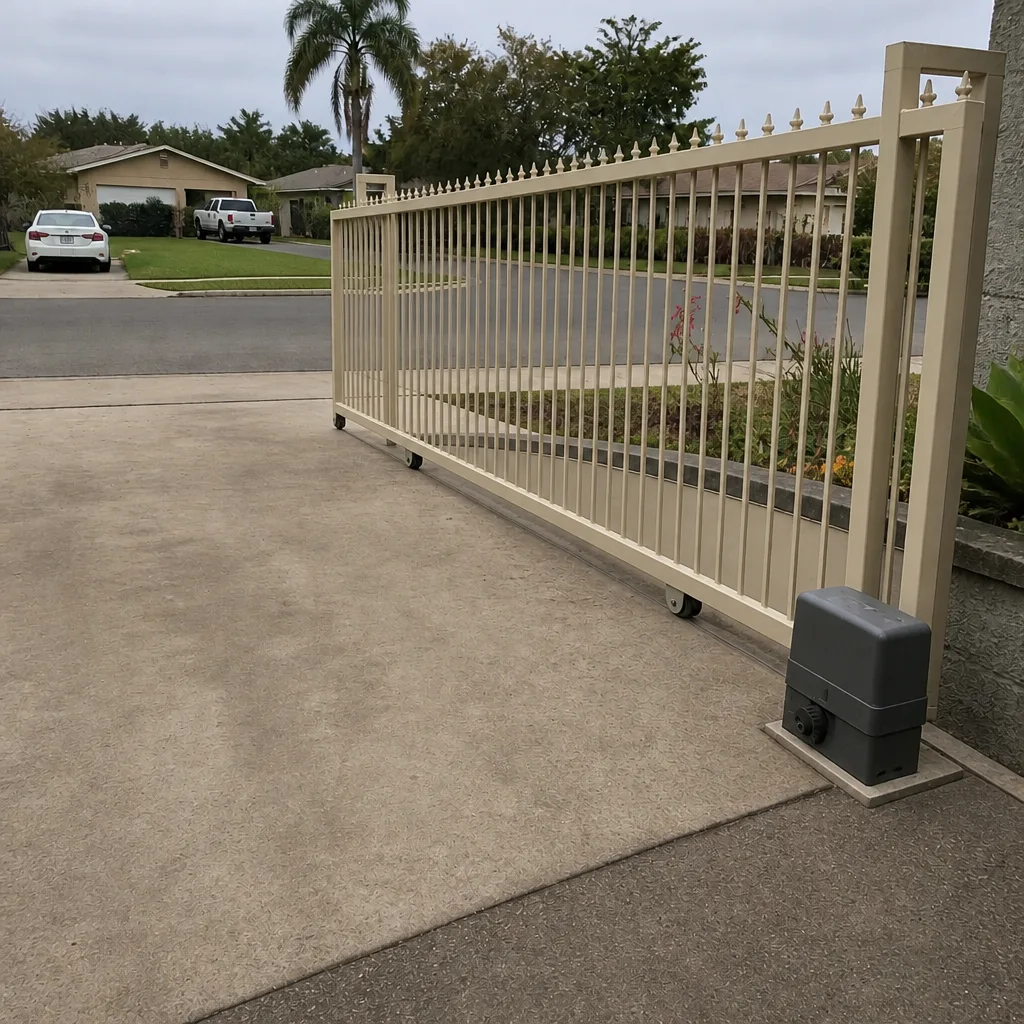
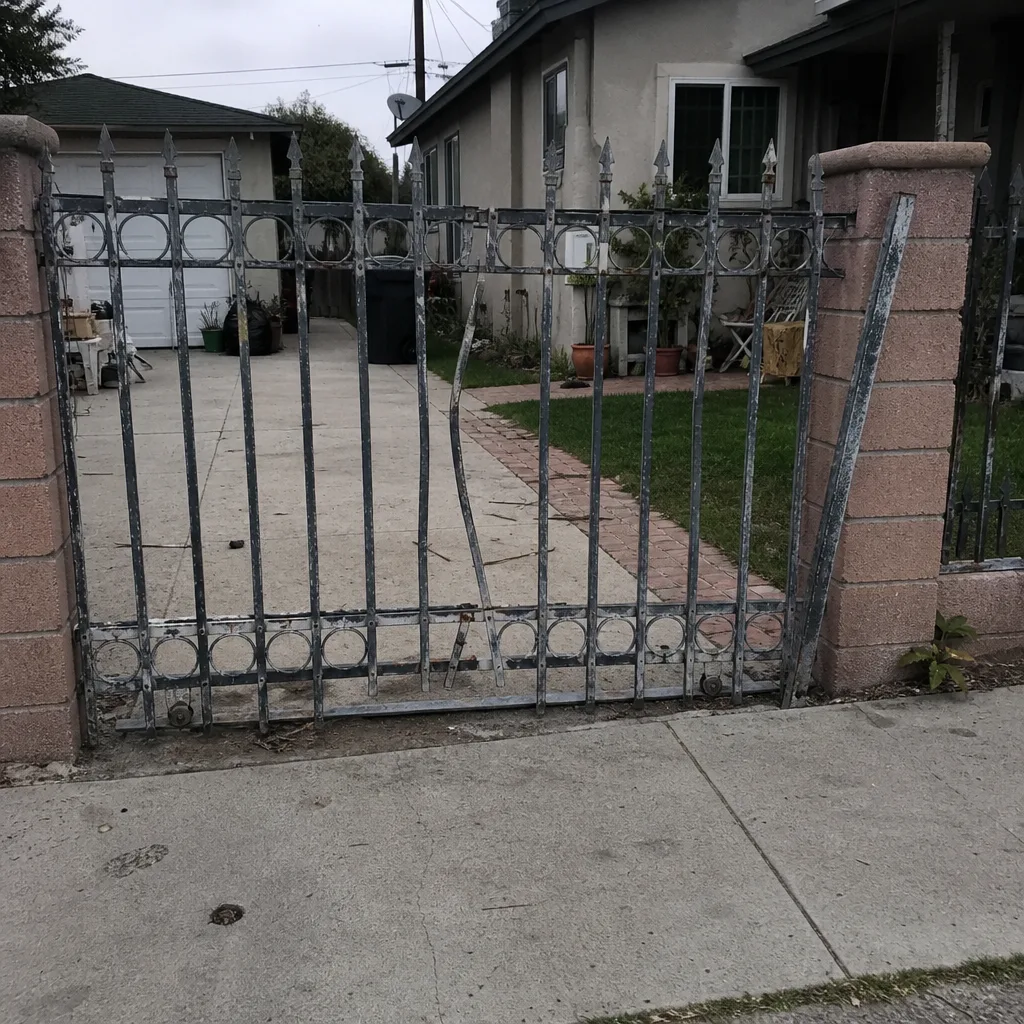 Before
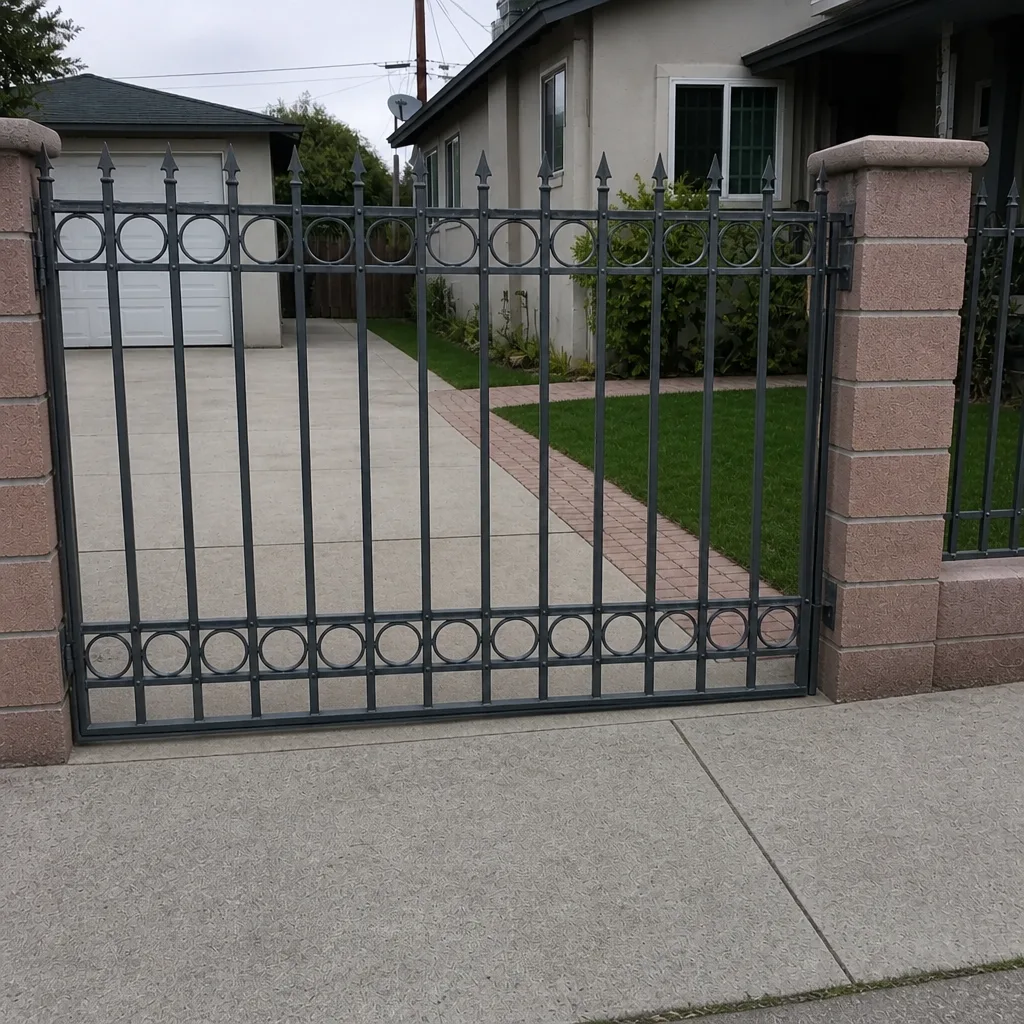 After
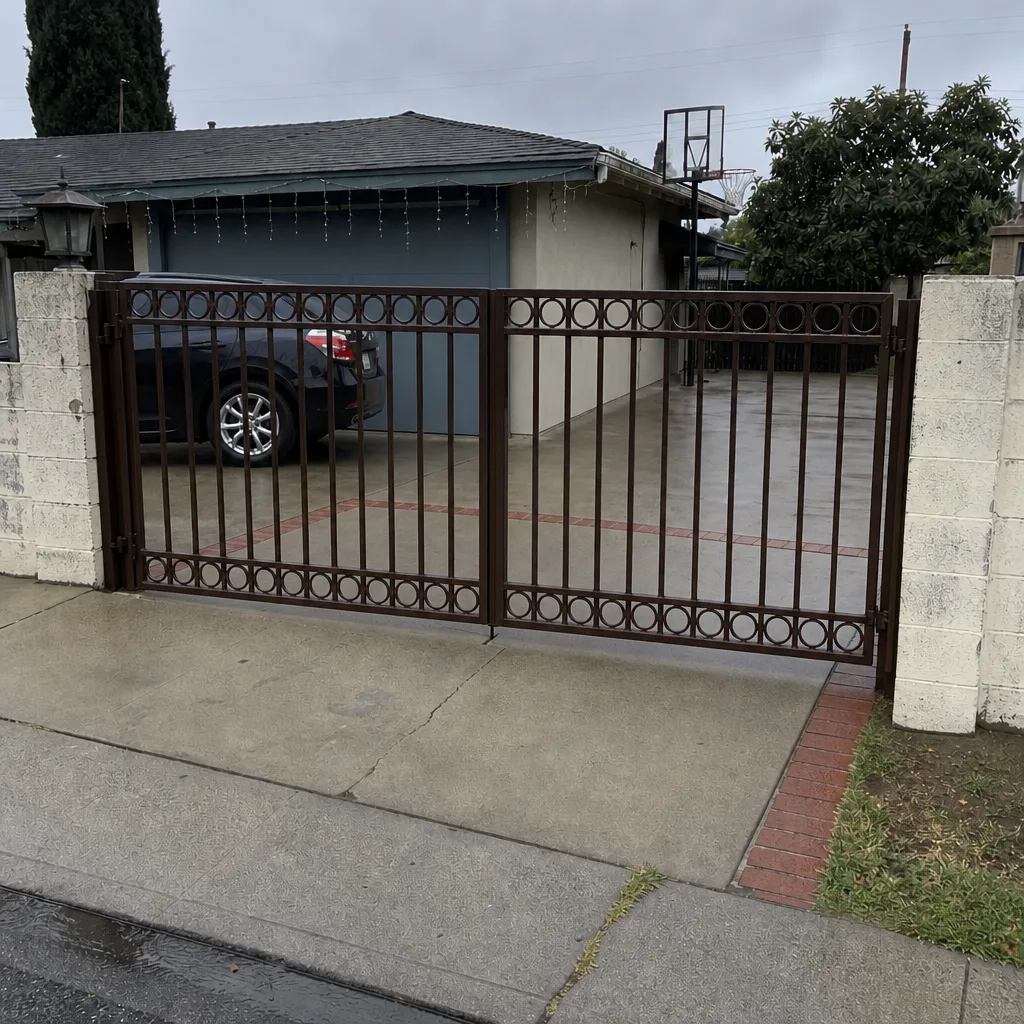
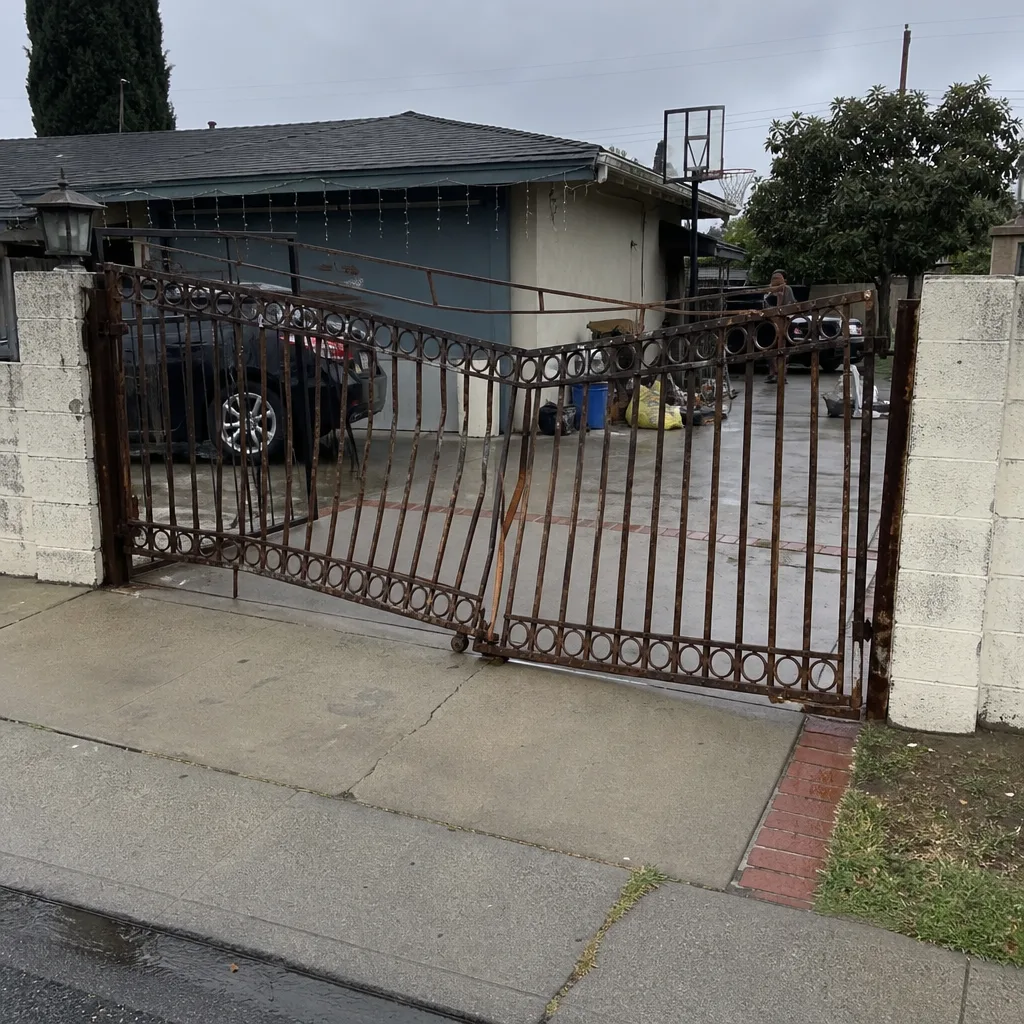 Before
 After
 Before
 After